Personalized Medical Care & Dedicated International Patient Concierge


Medical Guide
CellVive Anti-Aging Costs: Korea vs Japan Price Guide 2026
A transparent 2026 cost and clinical framework comparison of CellVive autologous stem cell and regenerative pain medicine protocols in Seoul vs Japan.
Schedule a ConsultationEvaluating regenerative pain medicine options for chronic pain can be overwhelming, especially when comparing two of Asia’s primary medical hubs: South Korea and Japan. As both countries lead global advancements in tissue engineering and cellular research, patients seeking options for debilitating spine, joint, or disc disorders frequently evaluate cross-border alternatives.
This guide provides a transparent, data-driven cost and regulatory structural overview of autologous (your own) mesenchymal stem cell therapies (MSCs) for interventional pain management. This analysis is tailored specifically for patients aged 30 to 70 dealing with severe degenerative pain or complex nerve issues, as well as referring practitioners looking for objective economic and clinical comparisons in 2026.
According to a Korean nationwide medical infrastructure analysis, East Asia's regional market for advanced cell therapies is expanding at a compound annual growth rate (CAGR) exceeding 15%. This rapid development has highlighted clear operational differences between Seoul and Tokyo regarding processing speed, cultivation frameworks, and total investment costs.
CellVive Anti-Aging and Regenerative Medicine in Korea: Key Benefits and Safety Profiles
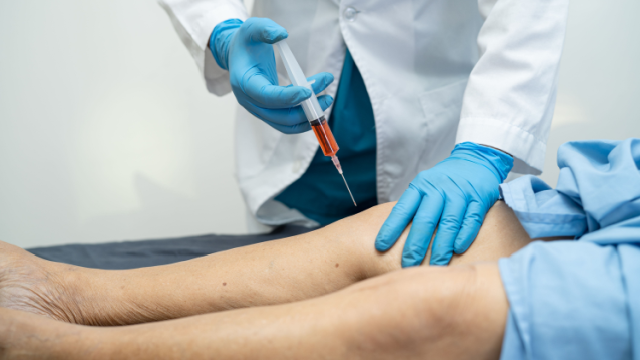
For patients managing persistent joint issues or spinal disc degeneration, the fundamental goal of cellular care is to mitigate chronic inflammation and promote localized tissue stability. Autologous cell processing works by extracting non-specialized cells from a patient's own adipose (fat) tissue or bone marrow, purifying them, and reintroducing them directly to damaged zones like knee cartilage or spinal facets under precise imaging.
How Advanced Cellular Pathways Coordinate Healing
Rather than simply covering up pain transmission like standard steroid blocks, modern cell therapies coordinate a multi-layered local response:
- Inflammatory Control: The introduced cells release signaling proteins (cytokines) that help quiet an overactive, destructive joint environment.
- Tissue Signaling: They prompt nearby native cells to remain active and functional, maintaining the protective matrix.
- Vascular Support: They encourage micro-vessel stability, ensuring essential nutrients reach dense, low-blood-supply structures like tendons and discs.
Is Regenerative Medicine for Chronic Pain Worth the Total Investment?
For individuals facing a lifetime of repetitive cortisone shots or highly invasive surgical fusion, advanced cell therapy provides a viable route to long-term pain management. While it requires a higher upfront financial investment, its value lies in preventing structural degeneration and avoiding the extensive recovery times associated with open surgery. When done via high-precision, imaging-guided techniques, it serves as a long-term strategy focused on functional restoration rather than temporary symptom management.
Evaluating the Financial and Structural Differences: Korea vs Japan 2026 Price Guide
The cost difference between receiving advanced cell therapy in South Korea versus Japan comes down to institutional regulations, laboratory infrastructure, and processing protocols. Japan’s framework, overseen by the Ministry of Health, Labour and Welfare (MHLW) under the Act on the Safety of Regenerative Medicine (ASRM), involves specific cell-culturing timelines that naturally elevate baseline pricing. South Korea's framework utilizes both specialized single-day processing and highly regulated cell expansion protocols under the Ministry of Food and Drug Safety (MFDS) guidelines, offering a wider range of price points.
| Pricing & Structural Factors | South Korea (2026 Metrics) | Japan (2026 Metrics) |
|---|---|---|
| Localized Joint Injection | $8,000 – $15,000 USD | $15,000 – $25,000 USD |
| Systemic IV Administration | $12,000 – $28,000 USD | $20,000 – $40,000 USD |
| Processing Timelines | Single-day (same day) or 3–5 week cultivation | Minimum 5–7 weeks cultivation standard |
| Regulatory Framework | Advanced Regenerative Bio Act (MFDS) | ASRM Type II/III Licenses (MHLW) |
| Lab Standards | Certified K-GMP On-site/Partner Facilities | Government-Certified External CPCs |
| Primary Focus Areas | Orthopedic Pain, Aesthetics, Spine, Functional Med | Systemic Longevity, Neurological, Complex Joint |
Traditional Pain Interventions vs Advanced Cellular Protocols: Costs and Limitations
The traditional standard of care for chronic back or joint issues in Korea often involves a predictable sequence: oral anti-inflammatories, followed by epidural steroid injections or nerve blocks, sometimes culminating in structural surgery. While these conventional methods offer reliable short-term relief, they carry notable downsides regarding tissue health and cumulative costs over time.
Standard Chronic Pain Interventions
- Repetitive Nerve Blocks & Cortisone Injections: These procedures are cost-effective up front (ranging from $150 to $500 per injection under National Health Insurance coverage). However, frequent usage can break down local tissue and weaken tendons, with therapeutic windows often shortening after multiple sessions.
- Surgical Spinal Fusion or Total Joint Arthroplasty: These options provide permanent structural alterations, costing between $12,000 and $25,000. However, they require extensive downtime, carry inherent surgical risks, and can lead to adjacent segment degeneration in the spine over the following decade.
Key Patient Pain Points
- The Treatment Treadmill: Patients often find themselves stuck in a cycle of temporary injections every 3 to 6 months, never truly resolving the underlying structural problem.
- Systemic Side Effects: Long-term reliance on non-steroidal anti-inflammatory drugs (NSAIDs) elevates risks for gastrointestinal issues and renal strain.
- Extended Recovery Times: Major orthopedic surgeries typically require weeks or months of physical rehabilitation, which can disrupt active professional or personal lives.
Local Insights: Navigating the Regenerative Medical System in South Korea
South Korean medical culture places a premium on efficiency, minimal downtime, and high-precision imaging technology. This specific focus has significantly shaped how advanced pain treatments are delivered. Under the revised Advanced Regenerative Bio Act, South Korean specialty clinics can perform clinical applications using autologous cells within strict, government-monitored safety standards.
Because many patients in their 40s to 60s remain actively employed or highly mobile, they rarely select options requiring months of bed rest. Consequently, Korean regenerative protocols are heavily designed around walk-in, walk-out procedures. These utilize high-resolution, ultrasound-guided or fluoroscopic navigation to place cells precisely into the affected joint space or spinal facet, avoiding general anesthesia entirely.
Where ST.MARY'S WELLNESS & PAIN MEDICINE CLINIC Fits in Advanced Pain Management in Korea
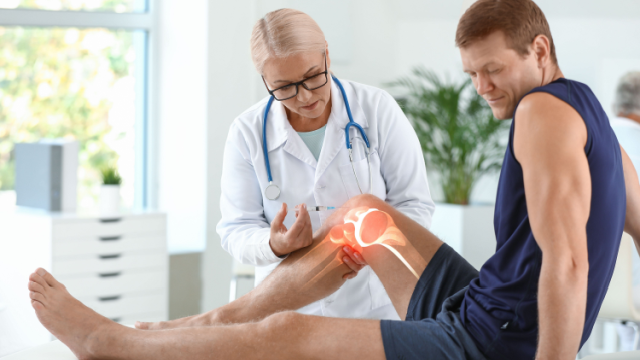
ST.MARY'S WELLNESS & PAIN MEDICINE CLINIC addresses the gap between traditional pain masking and invasive surgery by providing structured, non-surgical options for degenerative joint and spinal conditions. The clinic specializes in high-precision interventional pain protocols, integrating CELLVIVE™ Anti-Aging cellular methods directly into customized joint and spine rehabilitation pathways.
Led by Dr. Hyo-jo Han a board-certified pain specialist with extensive experience in interventional spinal treatments, the clinic ensures that every applicant undergoes rigorous screening to confirm they are an ideal candidate. By utilizing on-site, certified processing systems, ST.MARY'S WELLNESS & PAIN MEDICINE CLINIC provides a safe, targeted approach designed to help patients regain daily functional mobility and improve long-term quality of life.
Conclusion
Chronic spine and joint conditions affect a significant portion of adults over 40 in Korea, often resulting in high long-term costs from repeated injections and standard pharmaceuticals. Advanced regenerative protocols offer an alternative pathway focused on localized tissue recovery and reducing inflammation at its source.
Patients considering CELLVIVE™ Anti-Aging therapies in Korea can schedule a consultation at ST.MARY'S WELLNESS & PAIN MEDICINE CLINIC to discuss whether this approach may be suitable for their specific condition and goals.
Next Steps
Schedule an evaluation with our clinical team via Contact Us to review your imaging and receive a personalized treatment plan and cost breakdown.
More Articles
Continue reading our clinical guides.
CellVive Anti-Aging Costs: Korea vs Japan Price Guide 2026
A transparent 2026 cost and clinical framework comparison of CellVive autologous stem cell and regenerative pain medicine protocols in Seoul vs Japan.
Read More
Who Is a Candidate for Regenerative Pain Medicine
Find out who is a candidate for regenerative pain medicine, common conditions treated, potential benefits, and what to expect from personalized care.
Read More
Seoul vs Bangkok plasma disc decompression-korea-guide
Discover the definitive plasma-disc-decompression-korea-guide for 2026. Compare Seoul vs Bangkok wellness and find nonsurgical disc relief at ST.MARYS Wellness.
Read More