Personalized Medical Care & Dedicated International Patient Concierge

Medical Guide
Who Is a Candidate for Regenerative Pain Medicine
Find out who is a candidate for regenerative pain medicine, common conditions treated, potential benefits, and what to expect from personalized care.
Schedule a ConsultationWho Is a Candidate for Regenerative Pain Medicine?
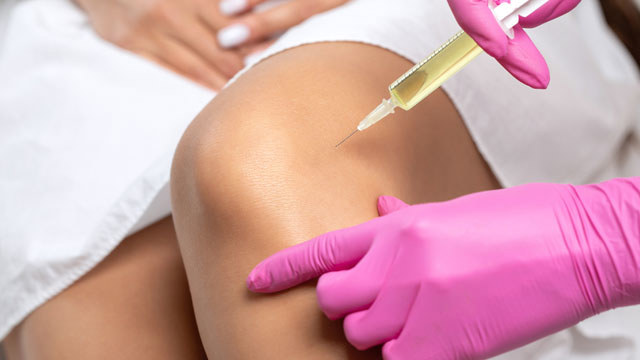
Chronic pain can affect far more than physical comfort. It may interfere with mobility, sleep quality, work performance, exercise, and overall quality of life. For many patients, long-term pain is linked to degenerative changes in the joints, spine, muscles, tendons, or ligaments that do not fully improve with rest or conventional conservative treatment alone.
At ST. MARY'S WELLNESS & PAIN MEDICINE CLINIC in Jung-gu, Seoul, Republic of Korea, Dr. Hyo-jo Han provides a patient-centered approach to regenerative pain medicine that focuses on supporting the body’s natural healing processes while addressing the underlying causes of musculoskeletal pain. By combining image-guided interventional procedures, regenerative therapies, and functional wellness care, the clinic aims to help patients improve both pain control and long-term physical function.
Understanding Regenerative Pain Medicine
Regenerative pain medicine is a medical field focused on repairing or supporting damaged tissues rather than only masking symptoms. Unlike treatments designed solely to temporarily reduce discomfort, regenerative therapies are intended to encourage healing at the structural and cellular level.
This approach is commonly used for chronic orthopedic and musculoskeletal conditions involving:
Degenerative joint disease
Tendon injuries
Ligament instability
Chronic neck or back pain
Disc-related conditions
Sports injuries
Repetitive strain injuries
Age-related tissue degeneration
At ST. MARY'S WELLNESS & PAIN MEDICINE CLINIC, regenerative pain medicine may include therapies such as:
Prolotherapy
PDRN regenerative injections
Stem cell-based regenerative treatments
Hyaluronic acid joint injections
Extracorporeal shockwave therapy (ESWT)
Image-guided nerve block procedures
Rehabilitation and muscle restoration therapy
These treatments are integrated into individualized care plans depending on the patient’s diagnosis, symptoms, lifestyle, and recovery goals.
Common Conditions Treated with Regenerative Pain Medicine
Regenerative pain medicine may be considered for patients experiencing persistent pain related to chronic musculoskeletal conditions. Common examples include:
Chronic Neck and Lower Back Pain
Chronic spinal pain is one of the most common reasons patients seek regenerative care. Conditions such as cervical disc degeneration, lumbar disc disease, facet joint inflammation, or nerve irritation may contribute to ongoing discomfort and reduced mobility.
At ST. MARY'S WELLNESS & PAIN MEDICINE CLINIC, advanced imaging tools such as ultrasound and C-arm fluoroscopy are used to improve procedural precision during interventional treatments.
Joint Degeneration and Osteoarthritis
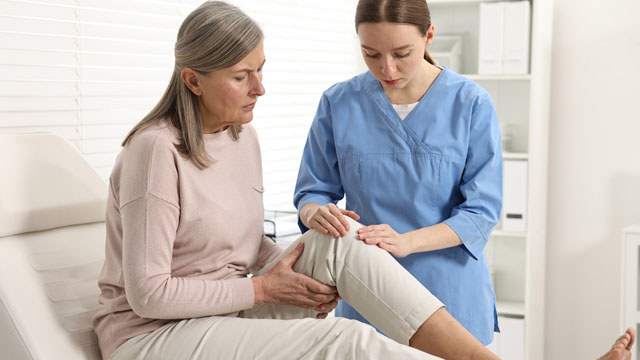
Patients with knee, shoulder, hip, or ankle arthritis may experience stiffness, swelling, reduced range of motion, and pain during daily activities. Regenerative therapies may help support joint function and reduce inflammation in selected patients.
Tendon and Ligament Injuries
Tendons and ligaments often heal slowly because of limited blood supply. Chronic overuse injuries involving the shoulder, elbow, knee, or ankle may respond to regenerative approaches that stimulate tissue repair.
Sports and Activity-Related Injuries
Athletes and physically active individuals may benefit from regenerative pain medicine when dealing with repetitive stress injuries, tendon strain, or prolonged recovery after injury.
Persistent Pain After Conservative Treatment
Patients who continue to experience symptoms despite medication, physical therapy, or rest may be candidates for further evaluation through regenerative and interventional pain management.
Who May Be a Good Candidate?
Not every patient with pain requires regenerative medicine. A thorough medical evaluation is important to determine whether these therapies are appropriate and medically reasonable.
In general, good candidates may include individuals who:
Experience Chronic Musculoskeletal Pain
Patients with pain lasting longer than several weeks or months despite conservative care may benefit from additional assessment.
Want to Avoid or Delay Surgery
Some patients prefer minimally invasive treatment options before considering orthopedic or spinal surgery. Regenerative therapies may be appropriate for selected cases where surgery is not immediately necessary.
Have Mild to Moderate Degenerative Changes
Patients with early or moderate tissue degeneration may respond more effectively than those with severe structural damage requiring surgical correction.
Seek Functional Improvement
Candidates are often motivated not only by pain reduction but also by improved mobility, exercise tolerance, posture, and overall quality of life.
Prefer a Personalized Treatment Approach
Regenerative pain medicine is highly individualized. Patients who are willing to participate in rehabilitation, lifestyle modification, and long-term recovery planning may experience better outcomes.
Who May Not Be an Ideal Candidate?
Certain conditions may limit the effectiveness or safety of regenerative therapies. Patients may require alternative treatment strategies if they have:
Severe structural joint destruction
Advanced spinal instability
Active infection
Uncontrolled systemic disease
Certain bleeding disorders
Unrealistic expectations regarding outcomes
A detailed consultation and diagnostic evaluation are essential before beginning treatment.
What Happens During the Evaluation Process?
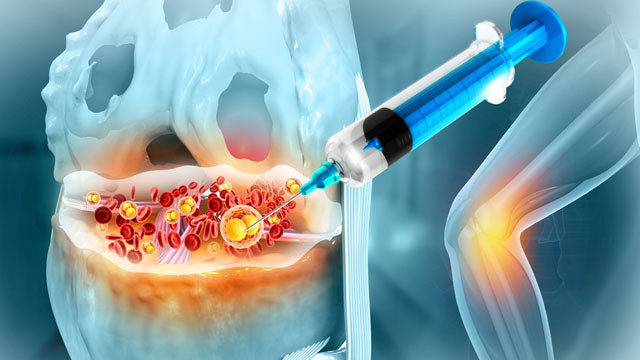
At ST. MARY'S WELLNESS & PAIN MEDICINE CLINIC, the evaluation process is designed to identify the true source of pain rather than focusing only on symptoms.
Medical History and Physical Examination
Dr. Hyo-jo Han reviews the patient’s medical history, activity level, prior treatments, imaging results, and current symptoms.
Diagnostic Imaging
Ultrasound and C-arm fluoroscopy may be used to evaluate structural abnormalities and guide precise treatment planning.
Functional Assessment
The clinic also considers broader health factors that may influence healing, including inflammation, fatigue, muscular imbalance, and overall physical condition.
Individualized Treatment Planning
No single therapy is appropriate for every patient. Treatment recommendations are customized based on diagnosis, pain severity, tissue condition, and recovery goals.
Regenerative Pain Medicine Procedures
Most regenerative procedures performed at ST. MARY'S WELLNESS & PAIN MEDICINE CLINIC are minimally invasive outpatient treatments.
Image-Guided Injections
Ultrasound or fluoroscopic guidance improves procedural accuracy by allowing the physician to target affected structures directly.
PDRN and Prolotherapy
These therapies aim to stimulate tissue repair and support healing in damaged ligaments, tendons, and joints.
Stem Cell-Based Regenerative Therapy
Stem cell-related therapies may be used in selected patients as part of broader regenerative and wellness-focused treatment plans.
Extracorporeal Shockwave Therapy (ESWT)
ESWT is a non-surgical treatment that uses acoustic energy to stimulate circulation and tissue recovery in chronic tendon and muscle conditions.
Rehabilitation and Recovery Support
Rehabilitation remains an important component of long-term recovery. Muscle restoration therapy and guided rehabilitation programs help support stability, movement, and functional improvement.
Recovery and Expected Outcomes
Recovery varies depending on the condition being treated, the severity of tissue damage, and the patient’s overall health.
Many regenerative procedures involve minimal downtime, allowing patients to return to normal daily activities relatively quickly. However, regenerative medicine is not typically an instant solution. Tissue healing occurs gradually over time.
Patients may notice:
Progressive pain reduction
Improved joint mobility
Better physical function
Enhanced exercise tolerance
Reduced inflammation
Some patients require multiple treatment sessions combined with rehabilitation for optimal results.
It is important to understand that outcomes vary among individuals, and regenerative medicine cannot guarantee complete reversal of degenerative disease.
Dr. Hyo-jo Han’s Approach to Patient Care
Dr. Hyo-jo Han leads the clinical team at ST. MARY'S WELLNESS & PAIN MEDICINE CLINIC with a focus on evidence-based, patient-centered care.
The clinic combines interventional pain management with regenerative and wellness medicine under one integrated system. Rather than addressing pain in isolation, the clinic evaluates how inflammation, tissue degeneration, fatigue, and physical stress interact within the body.
Since opening in 2022, the clinic has provided more than 15,000 patient consultations annually and has performed over 3,000 cervical and lumbar neuroplasty procedures along with more than 1,000 plasma disc decompression procedures.
Why Patients Visit ST. MARY'S WELLNESS & PAIN MEDICINE CLINIC in Seoul
Located in Jung-gu, Seoul, ST. MARY'S WELLNESS & PAIN MEDICINE CLINIC offers an outpatient-focused environment equipped with advanced procedural and diagnostic technology.
Key strengths of the clinic include:
Image-guided precision procedures
Individualized regenerative treatment planning
Integrated wellness and pain management programs
Functional and anti-aging health assessments
Outpatient-centered patient care
International patient accessibility
The clinic’s philosophy emphasizes long-term health optimization alongside pain management, helping patients pursue improved function, mobility, and quality of life through comprehensive care.
For patients experiencing chronic musculoskeletal pain, regenerative pain medicine may provide an alternative pathway that focuses not only on symptom relief, but also on supporting tissue recovery and long-term physical wellness.
More Articles
Continue reading our clinical guides.

CellVive Anti-Aging Costs: Korea vs Japan Price Guide 2026
A transparent 2026 cost and clinical framework comparison of CellVive autologous stem cell and regenerative pain medicine protocols in Seoul vs Japan.
Read More
Who Is a Candidate for Regenerative Pain Medicine
Find out who is a candidate for regenerative pain medicine, common conditions treated, potential benefits, and what to expect from personalized care.
Read More
Seoul vs Bangkok plasma disc decompression-korea-guide
Discover the definitive plasma-disc-decompression-korea-guide for 2026. Compare Seoul vs Bangkok wellness and find nonsurgical disc relief at ST.MARYS Wellness.
Read More