Personalized Medical Care & Dedicated International Patient Concierge

Medical Guide
HBOT Recovery Timeline Post Session Guide St Marys Seoul
Understand the complete HBOT recovery timeline from immediate side effects to long term healing. Learn what to expect after sessions at St Marys Wellness.
Schedule a ConsultationIntroduction
For many patients in New York or Los Angeles seeking the cutting edge of regenerative medicine, the hyperbaric chamber represents a sanctuary of healing. However, the most common question we receive at St Marys Wellness and Pain Medicine Clinic is not about the chamber itself, but what happens the moment you step out. Understanding your HBOT recovery timeline is essential for managing expectations and optimizing the physiological benefits of pressurized oxygen. Patients often feel a mix of invigoration and uncertainty following Hyperbaric Oxygen Therapy. You may wonder if the fatigue you feel is normal or when the mental clarity everyone talks about will finally kick in.
This guide provides a detailed HBOT recovery timeline from the first hour to the third month. We will cover managing common HBOT session side effects like ear pressure and fatigue while explaining the professional HBOT aftercare Seoul protocols used at our clinic. You will learn how cumulative sessions trigger stem cell mobilization and deep tissue repair. As a physician at St Marys Wellness and Pain Medicine Clinic specializing in wellness medicine and functional recovery, Dr Hyo Jo Han oversees over 200 regenerative cases annually. This ensures that every HBOT recovery timeline is personalized for optimal cellular performance and long term health.
The Complete HBOT Recovery Timeline A Phase By Phase Guide
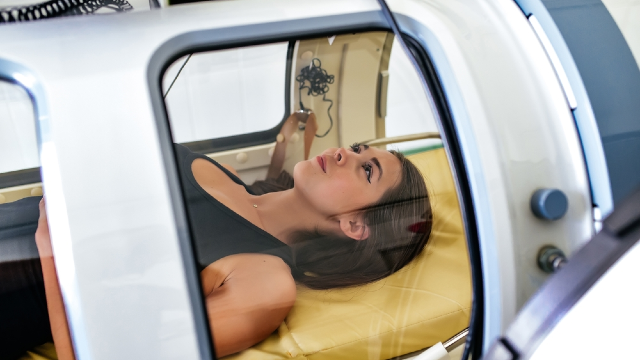
The HBOT recovery timeline is the chronological progression of physiological changes that occur in the human body following exposure to high pressure oxygen environments. This timeline begins the second you exit the chamber and continues for months as your body undergoes deep cellular remodeling and tissue repair.
Understanding the HBOT recovery timeline allows patients to navigate the healing process with confidence and clarity. The recovery journey is not a single event but a series of biological cascades. Immediately after a session, your blood plasma is saturated with oxygen levels far exceeding normal atmospheric capabilities. This creates a hyperoxic environment that signals your DNA to activate healing genes. Within the first few hours, you may experience a shift in energy levels as the body begins to process this oxygen surge. By the end of the first week, the focus shifts toward reducing systemic inflammation. As you reach the one month mark, the timeline highlights structural changes such as the growth of new blood vessels and the mobilization of stem cells from the bone marrow.
The Immediate Post Session Window One Hour After
What happens immediately HBOT after session is often described as an oxygen high or a feeling of deep relaxation. Your arterial oxygen tension remains elevated for a short period after you return to normal room air. This is a critical window where the body begins to transition from a pressurized state back to baseline. Some patients in our Seoul clinic report feeling a sense of euphoria or heightened sensory awareness. This occurs because the brain has just received a significant boost in oxygenation which enhances neurotransmitter function and metabolic activity.
Conversely, some individuals might experience what we call a detox slump. As the body uses the extra oxygen to neutralize toxins and clear cellular debris, you might feel a temporary wave of tiredness. This is a positive sign that your metabolic pathways are working at an accelerated rate. During this first hour, it is vital to stay hydrated and avoid strenuous physical activity. Your body is still adjusting to the pressure change, and giving your cardiovascular system time to stabilize is a priority in our HBOT aftercare Seoul protocols.
The Cumulative Effect Of Sessions
A single hyperbaric session is like a spark, but a series of 20 to 40 sessions is a total transformation. The HBOT recovery timeline is built on the principle of the hyperoxic hypoxic paradox. This paradox is a biological mechanism where the body perceives the return to normal oxygen levels after a hyperbaric session as a relative oxygen deficiency. This perceived deficiency triggers the production of hypoxia inducible factors which are proteins that stimulate the growth of new blood vessels and the release of stem cells.
In our clinical experience at St Marys Wellness, the most profound changes occur after the fifteenth session. This is when the body moves past simple oxygen saturation and into active regeneration. For patients traveling from cities like Chicago or Houston, we often design intensive blocks of treatment to maximize this cumulative effect. The biological signaling that happens the moment you return to normal atmospheric pressure is what sets the stage for long term healing. Recovery is not just about resting it is about the active signaling that occurs between sessions to rebuild damaged tissues and optimize organ function.
Factors That Influence Your HBOT Recovery Timeline
Not every patient follows the exact same HBOT recovery timeline because individual health variables play a significant role. Factors such as age, baseline fitness, nutritional status, and the specific condition being treated will dictate how fast you see results. For example, a young athlete recovering from a sports injury might see tissue repair milestones much faster than an older patient managing chronic degenerative joint disease.
Dr Hyo Jo Han emphasizes that lifestyle choices made outside the clinic are just as important as the time spent inside the chamber. Smoking, high sugar diets, and chronic stress can slow down the neovascularization process. To ensure our international patients get the most out of their stay in Seoul, we provide comprehensive guidance on diet and supplementation. We often combine HBOT with our CELLVIVE 40 plus Regeneration program to provide a multi faceted approach to longevity.
Days 1 To 3 Managing Immediate HBOT Session Side Effects
HBOT session side effects are the temporary physiological responses such as fatigue, ear fullness, or mild headaches that may occur as the body adjusts to pressure changes and increased oxygen levels. Most side effects are mild and resolve within a few hours or days with proper hydration and rest.
The first three days of your HBOT recovery timeline are focused on stabilization. While the therapy is exceptionally safe, the body must work to maintain equilibrium after being exposed to pressures two or three times higher than sea level. During this period, the primary goal of HBOT aftercare Seoul is to minimize discomfort and ensure the patient feels supported. We monitor every patient for signs of oxygen sensitivity and adjust the pressure protocols accordingly. By understanding what is normal during these first 72 hours, you can avoid unnecessary anxiety and focus on the healing process.
Understanding Post HBOT Fatigue
Fatigue after HBOT is a common experience that often surprises patients who expect to feel immediate energy. This tiredness is frequently a result of cellular autophagy. Autophagy is a natural metabolic process where cells dismantle and recycle their own damaged components to improve overall efficiency and health. When you flood the system with oxygen, these internal cleaning processes accelerate.
This metabolic demand can leave you feeling drained for a few hours HBOT after session. We tell our patients to view this fatigue as a sign of progress. Your body is essentially performing a deep clean at the mitochondrial level. To manage this, we recommend scheduling sessions at a time when you can rest afterward. Many of our patients from Los Angeles find that a post session nap followed by a light walk in the nearby parks of Jung gu helps them transition back to high energy levels.
Ear And Sinus Pressure Management
The most frequent HBOT session side effects involve the ears and sinuses. Because the chamber involves changes in atmospheric pressure, the air spaces in your body must equalize. If you have ever felt your ears pop during a flight to Seoul, you are familiar with this sensation. Some patients may experience a feeling of fullness or mild clicking in the ears for a day or two.
To prevent barotrauma, which is physical damage to the ear drum from pressure, our staff trains every patient on the Valsalva maneuver. This involves gently blowing against a closed nose to open the eustachian tubes. If the fullness persists, we may recommend using a gentle saline nasal spray or adjusting the speed at which we depressurize the chamber. Safety is our absolute priority, and Dr Han personally reviews the pressure tolerance of every patient to ensure a comfortable experience.
Visual Changes And Temporary Blurring
In rare cases involving long term daily sessions, some patients may notice a temporary change in their vision, often becoming more nearsighted. This is known as hyperopic or myopic shift and is caused by the high oxygen levels slightly changing the shape of the lens in the eye. This is a classic example of a side effect that fits into the broader HBOT recovery timeline.
It is important to know that these changes are almost always temporary. Once the series of treatments is completed, the lens typically returns to its original shape within a few weeks. We advise patients not to change their eyeglass prescription during their treatment course in Seoul. We monitor these changes closely and use them as a metric for how the body is responding to the oxygen dosage.
Immediate Management Tips Table
| Side Effect | Typical Duration | Professional Management Tip |
|---|---|---|
| Mild Fatigue | 2 to 6 hours | Prioritize hydration and high quality protein |
| Ear Fullness | 1 to 2 hours | Use the Valsalva maneuver or yawn frequently |
| Mild Headache | 1 to 3 hours | Ensure adequate electrolyte intake before sessions |
| Visual Blur | Temporary | Do not update vision prescriptions during treatment |
| Sinus Squeezing | During session | Inform the technician to slow the pressure change |
Week 1 Early Recovery And Physiological Shifts
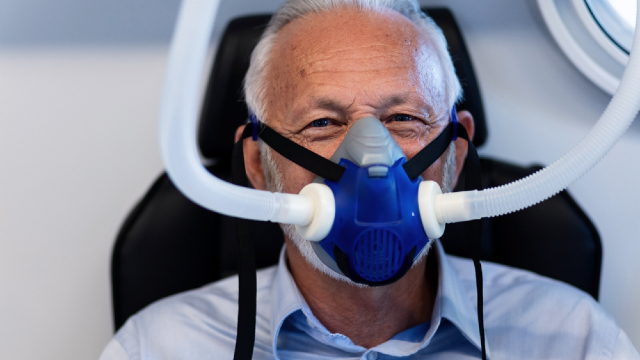
The first week of the HBOT recovery timeline marks the transition from short term side effects to the beginning of systemic physiological benefits. During this phase, the high concentration of dissolved oxygen in the blood begins to have a measurable impact on inflammation markers and cellular signaling.
By the time you reach the end of your first week of therapy at St Marys Wellness, you will likely notice subtle but significant changes. The initial "newness" of the chamber experience has worn off, and your body is becoming accustomed to the rhythm of treatment. This is the stage where many patients report that their persistent aches begin to dull and their sleep patterns start to stabilize. Our clinical team uses this week to fine tune your recovery protocol, ensuring that the oxygen dosage is perfectly balanced for your specific needs.
Reducing Systemic Inflammation
One of the most powerful aspects of Hyperbaric Oxygen Therapy is its ability to downregulate inflammatory cytokines. Inflammation is the body's response to injury or stress, but when it becomes chronic, it prevents healing and causes pain. Within the first week of the HBOT recovery timeline, oxygen inhibits the release of pro inflammatory signals while promoting anti inflammatory ones.
For patients dealing with conditions like fibromyalgia or chronic disc pain, this shift is life changing. You may notice that the swelling in your joints decreases or that your morning stiffness is less pronounced. We often observe a reduction in C reactive protein levels during this phase. By calming the "fire" of inflammation, HBOT creates the necessary environment for the more complex stages of tissue repair to begin.
Mental Clarity And Sleep Quality
The brain is the most oxygen dependent organ in the body, consuming about twenty percent of our total oxygen supply. It is no surprise then that brain health is one of the first areas to improve during the early HBOT recovery timeline. Many patients report an end to brain fog and a noticeable improvement in cognitive focus by the fifth or sixth session.
This improvement is partly due to the clearing of metabolic waste through the glymphatic system. The glymphatic system is a waste clearance pathway in the central nervous system that utilizes cerebrospinal fluid to remove toxic byproducts from the brain. High pressure oxygen enhances this flow, essentially "washing" the brain. This often leads to deeper, more restorative REM sleep. Patients from busy cities like New York often tell us that they haven't slept this well in years after just one week of treatment in Seoul.
Blood Flow And Vasoconstriction
During the actual session, the high oxygen levels cause a temporary narrowing of the blood vessels, known as vasoconstriction. While this might sound counterintuitive, it actually helps reduce edema or swelling in injured tissues. Once you exit the chamber and move into the recovery phase, the body compensates by improving the efficiency of blood flow.
This improved microcirculation is a key component of our wellness medicine approach. Even though the vessels constrict slightly under pressure, the amount of oxygen reaching the tissues is actually increased because it is dissolved directly into the plasma. This means that even areas with poor blood supply, like damaged tendons or scarred tissue, receive the vital oxygen they need to start repairing.
Weeks 2 To 4 Gradual Improvement And Stem Cell Mobilization
The second to fourth weeks of the HBOT recovery timeline represent the "sweet spot" for regenerative medicine. This is the period where the most significant biological transformations occur, particularly the mobilization of stem cells and the initiation of neovascularization.
For patients staying in Seoul for an extended treatment block, this is the most exciting phase. You have moved past the initial adjustment period and are now in the heart of the regenerative process. At St Marys Wellness, we use this window to integrate other therapies like Prolotherapy or PDRN Regenerative Injections. The increased oxygen levels in your tissues make these treatments significantly more effective, as the body is already in a heightened state of repair.
The Peak Of Stem Cell Release
Stem cell mobilization is the process by which the body releases mesenchymal stem cells from the bone marrow into the bloodstream so they can travel to sites of injury or degeneration. Research has shown that a series of twenty hyperbaric sessions can increase the concentration of circulating stem cells by as much as eight hundred percent.
In the HBOT recovery timeline, this peak usually occurs between the third and fourth week. These "master cells" have the ability to transform into bone, cartilage, or muscle cells, depending on what the body needs. This is why HBOT is such a critical part of our CELLVIVE Stem Cell IV programs. By naturally boosting your body's own stem cell count, we can accelerate recovery from chronic pain and support total body rejuvenation without the need for invasive surgery.
Neovascularization Building New Blood Vessels
Neovascularization, or angiogenesis, is the formation of new blood vessels from pre existing ones, a process that is essential for restoring blood flow to oxygen deprived tissues. This is one of the most durable benefits of the HBOT recovery timeline. Unlike the temporary boost in blood oxygen, these new vessels remain long after the treatment sessions have ended.
During weeks two to four, the body responds to the hyperoxic hypoxic paradox by building a denser network of capillaries. This is particularly important for patients with non healing wounds, diabetic complications, or chronic sports injuries. By improving the "plumbing" of your circulatory system, we ensure that your tissues continue to receive adequate nutrients and oxygen for years to come. This is the foundation of long term cellular wellness.
Collagen Production And Skin Health
As the HBOT recovery timeline progresses into the first month, many patients notice improvements in their skin quality. Oxygen is a primary requirement for collagen synthesis. Collagen is a structural protein that provides strength and elasticity to the skin, tendons, and ligaments. With increased oxygen availability, fibroblasts (the cells that make collagen) can work much more efficiently.
This is why we include HBOT in our CELLVIVE Skin Meso and anti aging protocols. Patients often report that their skin looks brighter and that fine lines are reduced. Beyond aesthetics, this increased collagen production is vital for strengthening the structural integrity of joints and spinal discs. It is a total body "reinforcement" that happens from the inside out.
Comparison Of Biological Activity Over Time
| Phase | Primary Biological Action | Visible Result for Patient |
|---|---|---|
| Sessions 1 to 5 | Inflammation Reduction | Less pain and better sleep |
| Sessions 6 to 15 | Metabolic Reset | Improved energy and mental clarity |
| Sessions 16 to 30 | Stem Cell Mobilization | Accelerated healing of old injuries |
| Sessions 31 to 40 | Neovascularization | Long term improvement in circulation |
Months 1 To 3 Visible Results In Tissue Repair And Brain Health
The final stage of the HBOT recovery timeline occurs between one and three months after your primary treatment block. While you may no longer be visiting the clinic daily, your body is still busy finalizing the repairs initiated during the sessions. This is where the "visible" and "felt" results become permanent.
During this period, the focus shifts toward maintenance and lifestyle integration. For our international patients, this often happens after they have returned home to the USA. We stay in contact through virtual consultations to monitor progress and adjust any ongoing wellness programs. The goal is to ensure that the gains made in Seoul are sustained for the long term.
Cognitive Recovery And Neuroplasticity
One of the most impressive areas of late stage recovery is in brain health. Neuroplasticity is the ability of the brain to form and reorganize synaptic connections, especially in response to learning or experience or following injury. The HBOT recovery timeline supports this by providing the metabolic energy required for neurons to repair and forge new pathways.
In the months following treatment, patients often report continued improvements in memory, executive function, and emotional stability. For those recovering from mild traumatic brain injuries or chronic stress, this window is when they truly feel "back to themselves." Dr Han notes that the brain continues to optimize its function as the new capillary networks (built during weeks two to four) provide a more consistent oxygen supply to the cerebral cortex.
Final Tissue Consolidation
Whether we are treating a herniated disc or a sports injury, the months following HBOT are when the final tissue consolidation occurs. The new collagen fibers mature and align themselves according to the stresses placed on the body. This is why we emphasize the importance of physical therapy and muscle function restoration during this phase of the HBOT recovery timeline.
By combining HBOT with manual therapy and EMS (Electrical Muscle Stimulation) at St Marys Wellness, we ensure that the new tissue is not just "healed" but also "functional." Patients find that they can return to high level activities, like golf or running, with a significantly reduced risk of reinjury. The regenerative process has effectively "reset" the biological age of the treated area.
Sustaining Results With Maintenance Protocols
To keep the benefits of the HBOT recovery timeline active, many patients choose to engage in maintenance protocols. This might involve a "top up" block of five to ten sessions every six months or integrating regular IV Therapy sessions. Our Longevity Cocktail IV and Ascend IV2 are specifically designed to support the cellular environment that HBOT creates.
We also use AI driven health tracking to help patients monitor their wellness markers. By staying proactive, you can ensure that your cellular wellness remains at its peak. Long term recovery is about creating a sustainable ecosystem of health that includes oxygen therapy, nutrition, and personalized medical care.
Premium HBOT Aftercare Seoul Tips For Optimizing Results
The success of your HBOT recovery timeline depends heavily on the quality of your aftercare. In the high stress environments of cities like Houston or Phoenix, it can be easy to fall back into old habits. However, our HBOT aftercare Seoul protocols are designed to be practical, luxurious, and highly effective, ensuring that your investment in your health pays off.
Optimizing your results means supporting your body's increased metabolic rate. When you are undergoing intense regenerative therapy, your demand for specific nutrients and rest increases. At St Marys Wellness, we provide a curated aftercare plan that covers everything from what you eat to how you move. We believe that the recovery period is just as important as the time spent in the hyperbaric chamber.
Nutritional Support And Antioxidants
When your body is flooded with oxygen, it undergoes a process of oxidative signaling. To manage this and prevent oxidative stress, it is vital to have a diet rich in antioxidants. Vitamins C and E, along with minerals like zinc and selenium, are essential components of your HBOT aftercare Seoul plan. These nutrients help neutralize free radicals while allowing the positive signaling of oxygen to proceed.
We recommend a diet high in colorful vegetables, lean proteins, and healthy fats. For our patients who may struggle to get all their nutrients through food alone, we offer specialized IV Therapy like the Balance IV or Essence IV. These infusions provide a direct delivery of the cofactors your mitochondria need to turn that extra oxygen into cellular energy (ATP).
Synergy With IV Therapy And Cryotherapy
At St Marys Wellness and Pain Medicine Clinic, we rarely use HBOT in isolation. We find that the HBOT recovery timeline is significantly enhanced when combined with other modalities. For example, Cryotherapy can help further reduce surface inflammation and invigorate the nervous system, while our Cell Burn Slimming IV can accelerate the metabolic boost provided by the oxygen.
Using the clinic's physical therapy and manual therapy services during your recovery also helps to "lock in" the mobility gains. When your joints are well oxygenated and your pain is reduced, you can perform exercises that were previously too difficult. This creates a positive feedback loop of movement and healing. This integrated approach is why our clinic in Jung gu is a destination for those seeking the highest level of nonsurgical recovery.
Professional Aftercare Checklist
Hydration: Drink at least three liters of structured water daily to help flush toxins.
Rest: Prioritize eight hours of sleep, as the most significant tissue repair happens while you sleep.
Movement: Engage in light walking to support circulation without overtaxing the heart.
Nutrition: Focus on anti inflammatory foods and antioxidant supplementation.
Monitoring: Keep a daily log of your energy and pain levels to share with Dr Han.
Why Choose St Marys Wellness And Pain Medicine Clinic For HBOT
Choosing the right clinic for your hyperbaric journey is the most important decision in your HBOT recovery timeline. While many facilities offer oxygen therapy, few integrate it into a comprehensive regenerative medicine ecosystem. St Marys Wellness and Pain Medicine Clinic in Seoul is a world leader in combining advanced technology with personalized physician oversight.
Our clinic is not just a place for treatment it is a center for functional recovery and cellular optimization. We understand the needs of international patients who are traveling long distances for care. From our state of the art equipment to our concierge level service, every aspect of St Marys Wellness is designed to provide a seamless and successful healing experience.
Dr Hyo Jo Han’s Expertise And Experience
Dr Hyo Jo Han is a physician at St Marys Wellness and Pain Medicine Clinic who specializes in wellness medicine and regenerative therapies. With years of experience and a high volume of successful cases, Dr Han brings a level of clinical precision that is rare in the wellness industry. He does not just "prescribe" HBOT he designs a specific pressure and oxygen protocol based on your unique medical history and recovery goals.
His expertise ensures that your HBOT recovery timeline is both safe and effective. Whether you are dealing with a complex spinal issue or seeking to optimize your cognitive performance, Dr Han provides the expert guidance necessary to navigate the complexities of regenerative medicine. His focus on comprehensive health optimization is the driving force behind our clinic's success.
Premium Technology Our Difference
In the heart of Jung gu, Seoul, our clinic utilizes the latest hyperbaric technology. Our chambers are maintained to the highest international safety standards, providing a comfortable and spacious environment. We use AI to monitor chamber performance and patient vitals in real time, ensuring that every session is delivered with perfect accuracy.
Beyond the chamber, our integration with other advanced treatments like Plasma Disc Decompression and Extracorporeal Shockwave Therapy (ESWT) sets us apart. We provide a "one stop" destination for nonsurgical spine and joint recovery. This combination of premium technology and multidisciplinary care is why patients from across the globe choose St Marys Wellness.
International Patient Support
We recognize that traveling from the United States to South Korea for medical treatment is a significant undertaking. To support our patients from New York, Los Angeles, and beyond, we offer full international patient coordination. Our English speaking staff is available to help with everything from initial virtual consultations to local accommodation recommendations.
We provide a seamless link between your life in the USA and your treatment in Seoul. We ensure that all medical records are clearly communicated and that your follow up care is coordinated with your home physicians if necessary. At St Marys Wellness, you are not just a patient you are a guest in our premium care environment.
How To Book Your HBOT Recovery Program
Starting your journey on the HBOT recovery timeline is simple and begins with a conversation. We believe that every patient deserves a clear and transparent path to health. Our booking process is designed to be efficient and supportive, ensuring that you have all the information you need before you even board your flight to Seoul.
Whether you are looking to address chronic pain, enhance your athletic performance, or invest in your long term longevity, our team is ready to help. We offer flexible scheduling to accommodate international travelers and can create intensive treatment blocks that fit your travel itinerary.
Step 1: Schedule A Wellness Consultation
The first step is to schedule a consultation with Dr Hyo Jo Han. During this meeting, which can be conducted virtually for those still in the USA, we will discuss your medical history, your current health concerns, and your goals for treatment. Dr Han will determine if you are a good candidate for HBOT and outline what your specific HBOT recovery timeline might look like.
This is the time to ask questions and gain clarity on the process. We will provide a detailed treatment plan, including the recommended number of sessions and any complementary therapies like IV Therapy or Prolotherapy that might enhance your results.
Step 2: Treatment Planning And Coordination
Once you decide to proceed, our international coordinators will take over. They will help you find the best time for your visit to Seoul and provide all the necessary documentation for your travel. We will ensure that your schedule is optimized so that you can experience the best of Seoul while prioritizing your recovery.
We provide clear pricing and package options, ensuring there are no surprises. Our goal is to make the administrative side of your treatment as stress free as possible so that you can focus entirely on your healing journey.
Contact Information
Phone: +82 2 6482 2580
WhatsApp: Click here
Email: info@stmaryswellnessclinic.com
Website: St. Marys Wellness
Location:Jung-gu, Seoul, Republlic of Korea
Clinic Hours: The clinic is open Monday to Friday from 9:00 AM to 7:00 PM, Saturday from 9:30 AM to 1:00 PM, and is closed on Sundays.
Conclusion
Navigating the HBOT recovery timeline requires a combination of patience and expert medical guidance. From the immediate post session window where the body begins its metabolic reset to the long term benefits of stem cell mobilization and tissue repair, every phase of the journey is a step toward optimal health. By understanding the common HBOT session side effects and following a professional HBOT aftercare Seoul protocol, you can maximize the regenerative potential of every hour spent in the chamber.
At St Marys Wellness and Pain Medicine Clinic, Dr Hyo Jo Han and our dedicated team are committed to providing a premium recovery experience. We blend advanced technology with compassionate, personalized care to ensure that your path to wellness is both successful and sustainable. Whether you are seeking relief from chronic pain or looking to optimize your cellular longevity, our clinic in the heart of Seoul is your destination for excellence. Navigating your HBOT recovery timeline with expert care ensures that the results you achieve are not just temporary fixes but foundation stones for a healthier future. Ready to accelerate your healing? **Schedule your consultation at St Marys Wellness and Pain Medicine Clinic today **to learn how our customized protocols can support your performance and wellness goals.
About The Author
Dr. Hyo Jo Han is the Lead Physician at St. Mary’s Wellness and Pain Medicine Clinic in Seoul. With over 15 years of experience in regenerative and functional medicine, he is a recognized expert in nonsurgical spine and joint optimization, helping thousands of international patients reclaim their quality of life.
Phone: +82 2 6482 2580
WhatsApp: Click here
Email: info@stmaryswellnessclinic.com
Website: St. Marys Wellness
Related Clinic Guides & Medical References
- Clinical & Academic References: Undersea & Hyperbaric Medical Society (UHMS) · NCBI PubMed Clinical Literature
More Articles
Continue reading our clinical guides.

CellVive Anti-Aging Costs: Korea vs Japan Price Guide 2026
A transparent 2026 cost and clinical framework comparison of CellVive autologous stem cell and regenerative pain medicine protocols in Seoul vs Japan.
Read More
Who Is a Candidate for Regenerative Pain Medicine
Find out who is a candidate for regenerative pain medicine, common conditions treated, potential benefits, and what to expect from personalized care.
Read More
Seoul vs Bangkok plasma disc decompression-korea-guide
Discover the definitive plasma-disc-decompression-korea-guide for 2026. Compare Seoul vs Bangkok wellness and find nonsurgical disc relief at ST.MARYS Wellness.
Read More