Personalized Medical Care & Dedicated International Patient Concierge


Regenerative Pain Medicine
Nerve Block Injection
A nerve block injection is a minimally invasive procedure in which a precisely calculated combination of local anesthetic and, where appropriate, anti-inflammatory agents is delivered directly to a targeted nerve or nerve cluster.
Schedule a ConsultationNerve Block Injection
!
What is nerve block injection in pain medicine?
A nerve block injection is a minimally invasive procedure in which a precisely calculated combination of local anesthetic and, where appropriate, anti-inflammatory agents is delivered directly to a targeted nerve or nerve cluster. The purpose is twofold: first, to confirm the anatomical source of pain through diagnostic accuracy; and second, to deliver therapeutic relief by interrupting abnormal pain signal transmission.
Unlike oral medications that circulate throughout the body and carry systemic side effects, nerve block injections act locally and specifically. At St. Mary's, this procedure is integrated within a broader regenerative pain medicine framework. This means that nerve block therapy is not used in isolation but is coordinated with a patient's full clinical picture — including cellular health, inflammatory load, and spinal structural integrity — to achieve outcomes that are both immediate and sustainable.
Nerve blocks can be applied to peripheral nerves, spinal nerve roots, autonomic ganglia, or specific spinal segments, depending on the condition. The procedure is image-guided where indicated, and the selection of block type, injection volume, and pharmacological agent is individualized for each patient at every visit.
Who needs nerve block treatment?
Nerve block therapy may be appropriate for a wide range of patients experiencing persistent, localized, or radiating pain that has not responded adequately to conservative management. Candidates considered for nerve block injection at St. Mary's typically include:
Adults aged 30–75 experiencing chronic cervical or lumbar spine pain lasting more than three months
Patients with radiculopathy — pain, numbness, or weakness radiating down the arm or leg due to spinal nerve compression
Individuals diagnosed with facet joint syndrome, where degenerative joint changes in the spine generate referred axial pain
Patients suffering from neuropathic pain conditions, including post-herpetic neuralgia, diabetic neuropathy, or complex regional pain syndrome
Oncology patients requiring cancer pain management, particularly where oral opioid therapy is insufficient or carries unacceptable side effects
Patients recovering from spinal surgery who continue to experience residual pain in the operative region
Those experiencing autonomic-mediated pain, including sympathetically maintained pain syndromes, who are candidates for stellate ganglion or celiac plexus block
Individuals seeking a precise diagnostic workup to identify the exact anatomical generator of unexplained chronic pain before committing to surgical intervention
This is not an exhaustive list. A formal consultation with Dr. Han is required to determine whether nerve block injection is clinically appropriate for your individual presentation.
Meet the specialist in interventional pain medicine
!
Dr. Hyo-jo Han
Specialist in Anesthesiology and Pain Medicine
Dr. Hyo-jo Han Specialist in Anesthesiology and Pain Medicine Certified Advanced Pain Practitioner USMLE Step 1 & Step 2 — Passed
Dr. Han brings a rare combination of anesthesiological precision and interventional pain expertise to every patient encounter at ST. MARY'S WELLNESS & PAIN MEDICINE CLINIC. With more than 3,000 cervical and lumbar neuroplasty cases performed and over 1,000 high-difficulty plasma disc decompression procedures completed, Dr. Han's clinical depth is matched by a subspecialty focus on the most complex and refractory pain conditions — including cancer pain, advanced spinal disorders, and treatment-resistant neuropathic pain.
Dr. Han's clinical philosophy is grounded in the understanding that pain is not simply a symptom to be suppressed, but a signal from a dysregulated biological system. At St. Mary's, this translates into a care model where interventional nerve block procedures are positioned within a precision regenerative framework — addressing the neurological, inflammatory, and cellular dimensions of chronic pain simultaneously. Every patient receives an individualized care pathway, not a protocol off a shelf.
Treatment areas and expected improvements
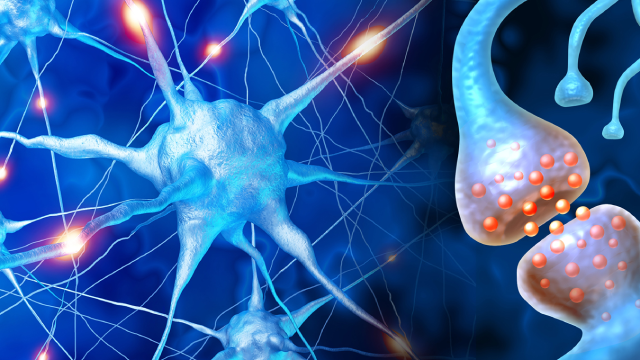
Nerve block injection at St. Mary's targets multiple anatomical regions and nervous system pathways depending on each patient's pain source and clinical profile.
Cervical spine and upper extremity: Cervical nerve blocks address pain originating from the C3 through C8 nerve roots, which can produce neck pain, shoulder aching, arm numbness, and headaches. Facet joint blocks at the cervical level are also performed where cervical spondylosis or degenerative disc changes are implicated. Patients may notice a reduction in referred upper limb discomfort, improved cervical range of motion, and decreased frequency of cervicogenic headache. Individual responses vary based on the severity of structural changes and chronicity of the condition.
Lumbar spine and lower extremity: Lumbar epidural nerve blocks and transforaminal injections target the L1 through S1 nerve roots, which govern sensation and motor function in the lower back, buttocks, and legs. This intervention is particularly relevant for patients with disc herniation, spinal stenosis, or sciatica-pattern pain. Expected improvements may include a reduction in radiating leg pain, improved walking tolerance, and decreased dependence on systemic analgesics. Results are variable and depend on the degree of nerve compression and underlying structural pathology.
Facet joints — cervical and lumbar: Medial branch blocks and facet joint injections interrupt pain signals from the small joints along the posterior spine. These joints are a frequently underdiagnosed source of axial back or neck pain, particularly following minor trauma or in association with age-related degeneration. Patients with confirmed facet-mediated pain may experience significant axial pain reduction following a therapeutic block. Diagnostic blocks are also used to confirm the pain generator before considering radiofrequency ablation.
Autonomic nervous system — stellate ganglion and celiac plexus: The stellate ganglion block targets the cervicothoracic sympathetic chain, and is used in sympathetically maintained pain conditions, complex regional pain syndrome, and certain vascular pain disorders. The celiac plexus block is directed at visceral pain, particularly in patients with upper abdominal cancer pain or chronic pancreatitis. Both procedures require a high degree of anatomical knowledge and procedural precision. At St. Mary's, these blocks are performed only when clinical indication is clearly established.
Cancer and complex chronic pain: For oncology patients, nerve block therapy offers a pathway to meaningful pain control when systemic pharmacotherapy alone is inadequate. Celiac plexus neurolysis and other targeted nerve blocks can provide durable pain reduction while potentially reducing opioid requirements. Realistic expectations are always discussed in full before proceeding.
Treatment process and timeline
Step 1 — Initial consultation and clinical history
Your first appointment involves a comprehensive review of your pain history, prior treatments, imaging studies, and medication use. Dr. Han will discuss your pain pattern in detail to identify the most likely anatomical source and determine which type of nerve block, if any, is appropriate for your case.
Step 2 — Diagnostic assessment
Depending on your presentation, additional functional or imaging-based assessment may be recommended. St. Mary's uses data-informed evaluation to map the biological contributors to your pain — including inflammatory markers and cellular health indicators — consistent with the clinic's Precision Regenerative Model.
Step 3 — Pre-procedure preparation
Patients are advised on dietary restrictions, medication adjustments, and positioning requirements prior to the injection appointment. The procedure room is prepared with appropriate monitoring, and the injection solution is formulated according to your individual clinical parameters.
Step 4 — Nerve block procedure
The injection is performed in a controlled clinical setting. Depending on the block type, image guidance may be used to confirm needle placement. The procedure typically takes between 15 and 45 minutes, after which you will remain under observation for a short period before discharge.
Step 5 — Immediate post-procedure care
You may notice temporary changes in sensation or motor function in the treated region immediately following the block, particularly with diagnostic procedures. These typically resolve within hours. You will receive written aftercare instructions and direct contact information should any questions arise.
Step 6 — Follow-up and longitudinal management
A follow-up appointment is scheduled to assess your response, review symptom changes, and determine whether repeat injection, complementary therapy, or an escalation in care — such as neuroplasty or plasma disc decompression — is indicated. Nerve block therapy at St. Mary's is always part of a continuing clinical conversation, not a one-time intervention.
Results, safety, and longevity
The duration of relief from a nerve block injection varies based on the type of block administered, the underlying condition, the patient's overall cellular and inflammatory health, and individual biological response. Diagnostic blocks are generally short-acting by design, as their primary purpose is to confirm the pain source rather than provide sustained relief. Therapeutic blocks using anti-inflammatory agents may provide relief lasting from several weeks to several months in appropriate candidates.
At St. Mary's, Dr. Han applies the principle that sustainable pain outcomes require treating not just the nerve, but the biological environment in which that nerve exists. This is why nerve block therapy at this clinic is often coordinated with IV therapy, cellular anti-aging protocols, or HBOT as part of the broader regenerative pain medicine framework. A nerve operating within an inflamed, oxidatively stressed, or mitochondrially depleted tissue environment is more likely to re-sensitize. Addressing the systemic contributors is therefore considered a clinical priority alongside the interventional procedure itself.
Common, expected side effects include temporary soreness at the injection site, mild bruising, and transient sensory changes. Serious complications are rare but are discussed openly during the informed consent process. Dr. Han does not use generic language around safety — every patient is informed of the specific risks relevant to their block type and anatomical region. Not every patient achieves significant pain relief from nerve block injection, and this is communicated clearly. Patients who do not respond as expected are re-evaluated to refine the diagnostic picture before further intervention is planned.
Why choose ST. MARY'S WELLNESS & PAIN MEDICINE CLINIC for nerve block injection?
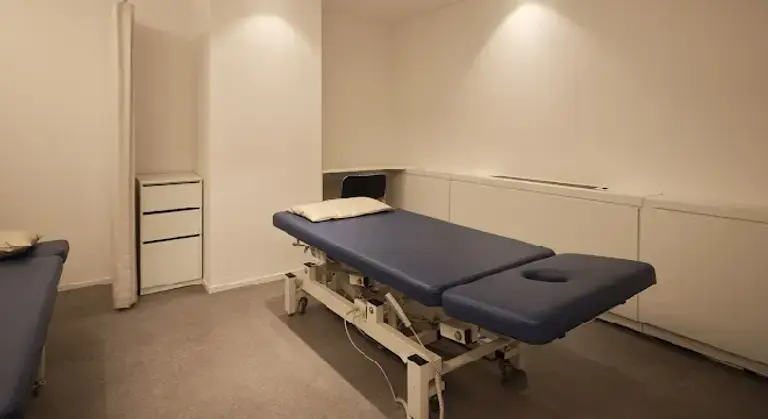
ST. MARY'S WELLNESS & PAIN MEDICINE CLINIC occupies a distinctive position in advanced pain care. The clinic does not treat pain as an isolated complaint. Instead, it operates from the understanding that chronic pain is a biological phenomenon embedded within the broader context of cellular health, neurological function, inflammatory balance, and regenerative capacity. This means that every patient presenting for nerve block therapy is evaluated not just for their spinal or nerve anatomy, but for the systemic factors that may be amplifying or perpetuating their pain experience.
Dr. Hyo-jo Han brings subspecialty expertise that is genuinely rare — a practitioner certified in both anesthesiology and advanced pain medicine, with a procedural case volume that places him among the most experienced interventional pain specialists currently in active practice. The 3,000+ neuroplasty and 1,000+ plasma disc decompression cases in his clinical record represent not just numbers, but a depth of pattern recognition and technical refinement that directly benefits every patient who sits across the consultation table.
Differentiating features of St. Mary's for nerve block therapy include:
Direct access to Dr. Han — patients are evaluated and treated by the same specialist throughout their care pathway, not rotated between staff
Integration with regenerative medicine — nerve block procedures can be coordinated with cellular anti-aging therapy, HBOT, IV nutritional protocols, and metabolic optimization to address both the nerve and its biological environment
Precision diagnostic approach — including telomere and antioxidant balance assessment as part of the broader aging and pain workup, consistent with the clinic's four-axis biological model
Transparent, individualized consent — no standardized scripts; risks, realistic outcomes, and alternatives are discussed specifically for your anatomy, your history, and your goals
The clinic serves both domestic patients and those traveling from abroad seeking a level of interventional pain expertise that combines procedural precision with whole-body regenerative thinking.
Real patient experiences
Patient A — Chronic lumbar radiculopathy, age 52
A patient with a four-year history of left leg sciatica and documented L4-L5 disc herniation presented after failing physical therapy and oral analgesics. Following a transforaminal lumbar epidural nerve block, the patient reported a significant reduction in leg pain intensity and was able to resume moderate daily activity within two weeks. A follow-up evaluation was used to assess ongoing nerve inflammation and discuss whether further intervention was indicated.
Patient B — Cervicogenic headache and upper limb numbness, age 44
A patient with chronic neck pain radiating to the right shoulder and intermittent hand tingling was assessed for cervical facet-mediated and nerve root-mediated contributions. A targeted cervical medial branch block was performed, and the patient reported a notable decrease in headache frequency and shoulder aching over the following month. Clinical documentation supported a facet-predominant pain pattern.
Patient C — Cancer pain management, age 63
An oncology patient with upper abdominal pain related to a known intra-abdominal malignancy was referred for celiac plexus block evaluation. Following the procedure, the patient described a meaningful improvement in pain control that allowed a reduction in daily opioid requirement. Quality-of-life impact was reviewed at each follow-up visit.
Take the first step toward targeted, lasting pain relief
Your pain has a source. We are trained to find it.
At ST. MARY'S WELLNESS & PAIN MEDICINE CLINIC, Dr. Hyo-jo Han — Certified Advanced Pain Practitioner and specialist in Anesthesiology and Pain Medicine — offers a consultation experience built on precision, transparency, and regenerative thinking. Whether you are managing chronic spinal pain, neuropathic symptoms, or complex cancer-related discomfort, our nerve block therapy program is designed to address your specific anatomy and your broader biological picture.
To arrange a consultation with Dr. Han, contact ST. MARY'S WELLNESS & PAIN MEDICINE CLINIC directly through our appointment line or online inquiry form. Bilingual support is available for international patients. All consultations begin with a thorough clinical review before any procedure is discussed or recommended.
You deserve care that is as precise as your pain is complex. We are here to provide it.
Related Clinic Guides & Medical References
- Related Clinic Pages: Regenerative Pain Medicine · Dr. Hyo-jo Han (Pain Medicine Specialist) · 1:1 Consultation & Appointment Inquiry
- Clinical & Academic References: American Society of Regional Anesthesia and Pain Medicine (ASRA) · American Academy of Orthopaedic Surgeons (AAOS)
Other Services
Explore additional treatments offered by our specialists.
Wound Healing & Tissue Recovery
Wound healing is a complex biological process that depends heavily on oxygen.
Learn More
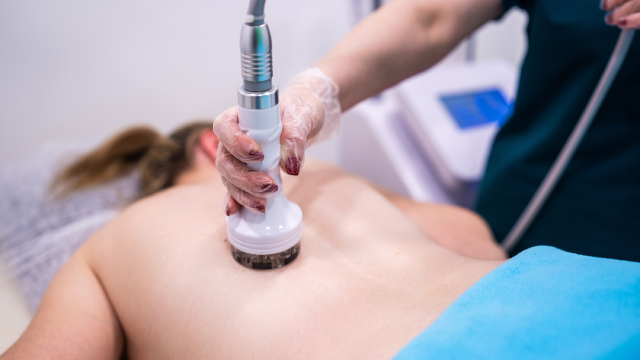
RF Endermologie
RF Endermologie, or radiofrequency endermologie, is a non-invasive body treatment that fuses two clinically established modalities into a single, integrated therapy session.
Learn More

PRP Injection Therapy
Platelet-Rich Plasma (PRP) therapy is an autologous regenerative treatment — meaning it uses your own biological material to promote tissue healing.
Learn More