Personalized Medical Care & Dedicated International Patient Concierge

Hyperbaric Oxygen Therapy (HBOT)
Wound Healing & Tissue Recovery
Wound healing is a complex biological process that depends heavily on oxygen.
Schedule a ConsultationWound Healing & Tissue Recovery
!
What Is Hyperbaric Oxygen Therapy for Wound Healing?
Wound healing is a complex biological process that depends heavily on oxygen. When tissue is damaged — whether from surgery, chronic disease, radiation, or injury — blood vessels in the affected area are often compromised, reducing the oxygen supply that cells need to repair and regenerate.
Hyperbaric Oxygen Therapy (HBOT) addresses this directly. During each session, you breathe 100% oxygen inside a pressurized chamber set to 1.4–2.5 atmospheres of pressure. Under these conditions, the oxygen dissolves into your blood plasma at significantly higher concentrations than normal — reaching tissue that standard circulation cannot adequately supply.
This elevated oxygen saturation does more than simply "feed" injured cells. It activates fibroblast proliferation (the cells responsible for producing collagen and closing wounds), stimulates angiogenesis (new blood vessel formation), reduces bacterial load in infected tissue, and suppresses inflammatory pathways that delay healing. The result is a physiological environment that supports tissue repair rather than working against it.
HBOT for wound care is a medically supervised protocol. It is not a standalone replacement for wound management, but an adjunctive therapy that works alongside standard wound care, pharmacological treatment, and, where applicable, surgical intervention.
Who Needs Hyperbaric Oxygen Wound Treatment?
Not every wound is a candidate for HBOT, and patient selection is an important part of the clinical process at ST. MARY'S WELLNESS & PAIN MEDICINE CLINIC. The following profiles benefit most from HBOT as part of a comprehensive wound care plan:
Patients with diabetic foot ulcers or lower extremity wounds that have not responded to conventional wound dressings, offloading, or antibiotic therapy over an extended period
Post-surgical patients with impaired healing, including those recovering from orthopedic procedures, reconstructive surgery, or complex soft tissue repairs where the wound site is not progressing as expected
Individuals with radiation-induced tissue damage (osteoradionecrosis or radiation cystitis), where exposure to therapeutic radiation has devitalized surrounding tissue
Patients with osteomyelitis (bone infection) who require adjunctive oxygen therapy alongside antibiotic regimens to improve outcomes in chronically infected bone
Crush injury survivors where significant tissue trauma has disrupted microvascular circulation and normal tissue viability is at risk
Skin graft or flap recipients where compromised perfusion threatens graft survival in the early post-operative period
Those with pressure injuries (bedsores) or venous insufficiency wounds that have become chronic due to underlying circulatory compromise
Adults aged 40 and above experiencing slow post-operative recovery, particularly those with comorbidities such as diabetes, vascular disease, or immune suppression that reduce baseline healing capacity
If you are managing a wound that has not improved meaningfully within four to six weeks of standard care, a clinical evaluation for HBOT eligibility is appropriate.
Meet the Specialist
!
Dr. Hyo-jo Han
Specialist in Anesthesiology and Pain Medicine
Dr. Hyo-jo Han Certified Advanced Pain Practitioner | Specialist in Anesthesiology and Pain Medicine USMLE Step 1 & Step 2 — Passed
Dr. Hyo-jo Han brings a specialized perspective to wound care and regenerative medicine, rooted in over a decade of interventional pain management and procedural expertise. With more than 3,000 cervical and lumbar neuroplasty cases and over 1,000 high-difficulty plasma disc decompression procedures to his credit, Dr. Han understands how tissue-level healing — and its failure — manifests across multiple organ systems.
His clinical focus spans cancer pain, spinal disorders, chronic pain conditions, and complex physiological recovery. At ST. MARY'S WELLNESS & PAIN MEDICINE CLINIC, this expertise informs how HBOT is integrated into each patient's wound care protocol — not as a one-size-fits-all intervention, but as a precisely timed, individually calibrated component of a broader regenerative plan.
Dr. Han's approach reflects the clinic's foundational philosophy: that sustainable healing requires addressing the biological axes of damage, energy, regeneration, and immune communication together — not in isolation.
Treatment Areas & Expected Improvements
HBOT for wound healing targets several overlapping biological systems. Understanding what each area responds to helps set realistic, grounded expectations.
Chronic and Diabetic Wound Tissue: In patients with diabetes or peripheral vascular disease, tissue hypoxia is often the primary barrier to healing. HBOT increases dissolved oxygen in plasma, allowing oxygen to reach wound beds even when red blood cell delivery is impaired. Patients may notice gradual improvement in wound color, reduction in exudate, and measurable decreases in wound surface area over a series of sessions. Individual outcomes vary depending on wound chronicity, baseline vascular status, and concurrent treatment adherence.
Surgical and Post-Operative Wound Sites: Following surgery, some patients experience delayed incision closure, partial dehiscence, or persistent inflammation. HBOT supports collagen synthesis and fibroblast activity, which are central to incision repair. It may also reduce the risk of surgical site infection by enhancing the oxidative killing capacity of white blood cells in areas of elevated oxygen tension. The pace of improvement depends on wound depth, patient comorbidities, and how early HBOT is incorporated into the recovery plan.
Radiation-Damaged Tissue: Radiation therapy can permanently damage the microvasculature of surrounding tissue, leaving areas of relative hypoxia that resist normal healing. HBOT promotes neovascularization — the formation of new capillaries — in radiation-damaged zones, improving the long-term tissue environment. This process unfolds gradually and typically requires a defined course of treatment to achieve clinically meaningful outcomes.
Infected Bone (Osteomyelitis): In cases of bone infection, adequate oxygen tension is necessary for both antibiotic effectiveness and immune cell function. HBOT serves as an adjunct — not a replacement — for antibiotic therapy, creating conditions that support more effective bacterial clearance and tissue repair at the bone level. Response varies based on infection duration, organism type, and surgical management history.
Soft Tissue Crush Injuries: Crush injuries disrupt microvascular networks across broad tissue areas, creating zones of compromised perfusion and cellular hypoxia. HBOT may help limit secondary tissue loss in the acute phase and support recovery of viable tissue. Outcomes are most favorable when initiated early and combined with appropriate surgical and rehabilitative care.
Expected improvements may include: reduction in wound size, decreased pain and local inflammation, improved tissue granulation, enhanced skin graft survival, and accelerated overall recovery timeline. All outcomes are individual and cannot be guaranteed. Patients with severe underlying disease, active smoking, or significantly compromised circulation may have more limited responses.
Treatment Process & Timeline
!
A structured, supervised approach is central to how ST. MARY'S WELLNESS & PAIN MEDICINE CLINIC delivers HBOT for wound care.
Step 1 — Initial Consultation and Wound Assessment
Your first appointment involves a detailed review of your wound history, current treatment, and medical background. Dr. Han and the clinical team evaluate wound characteristics, vascular status, and any contraindications to HBOT. This assessment determines whether you are an appropriate candidate and informs the initial treatment plan.
Step 2 — Diagnostic Evaluation
Depending on your wound type and medical history, baseline assessments may include transcutaneous oxygen measurement (TcPO2), imaging, or laboratory review. This data establishes your starting point and guides session parameters, including pressure levels and session duration.
Step 3 — Treatment Planning and Scheduling
Your HBOT protocol is designed based on wound etiology, severity, and your overall health status. Sessions are typically scheduled on a regular basis — frequency and total session count are determined individually. HBOT for wound healing generally involves a defined course of treatment, not a single session.
Step 4 — Chamber Sessions
Each session takes place in the clinic's hyperbaric chamber. You breathe 100% oxygen in a pressurized environment at 1.4–2.5 atmospheres. Sessions last approximately 60–90 minutes. Most patients find sessions comfortable and tolerable; you remain monitored throughout. You may experience mild ear pressure changes, similar to altitude adjustment, during pressurization and depressurization.
Step 5 — Wound Monitoring and Concurrent Care
HBOT is delivered alongside, not instead of, your ongoing wound care regimen. The clinical team monitors wound progress at intervals throughout your treatment course, adjusting the plan as healing evolves. This integrated approach ensures that HBOT is working in concert with other interventions rather than in isolation.
Step 6 — Post-Course Review and Ongoing Support
At the conclusion of your scheduled treatment course, a clinical review evaluates healing progress and determines whether additional sessions, a modified wound care plan, or adjunctive therapies are warranted. For patients using HBOT as part of a broader anti-aging or wellness recovery program at ST. MARY'S WELLNESS & PAIN MEDICINE CLINIC, this review also considers how HBOT intersects with other regenerative treatments such as CELLVIVE therapy or IV longevity protocols.
Results, Safety & Longevity
HBOT has a well-established safety profile when delivered in a properly supervised clinical environment. Side effects are generally mild and may include temporary ear or sinus discomfort, transient fatigue following sessions, or mild changes in vision that typically resolve after completing treatment. Serious adverse events are rare in appropriately screened patients.
Contraindications include certain pulmonary conditions, recent ear surgery, and specific medications — all of which are evaluated thoroughly during your initial assessment. Patients with claustrophobia are assessed individually, as chamber design and session management can often accommodate this concern.
The durability of wound healing outcomes supported by HBOT depends significantly on the underlying condition. For diabetic wound patients, long-term results are closely tied to ongoing glycemic management. For radiation-related tissue damage, improvements in neovascularization may continue to develop over months following treatment. In all cases, HBOT is most effective as part of a sustained, integrated wound care and wellness plan.
The biological rationale for HBOT in wound care is grounded in established physiological mechanisms: oxygen-dependent collagen synthesis, oxidative bacterial killing, and angiogenic signaling. These are not experimental concepts but recognized components of wound biology, and HBOT's role in supporting them is the foundation of its clinical application.
Why Choose ST. MARY'S WELLNESS & PAIN MEDICINE CLINIC for HBOT Wound Care?
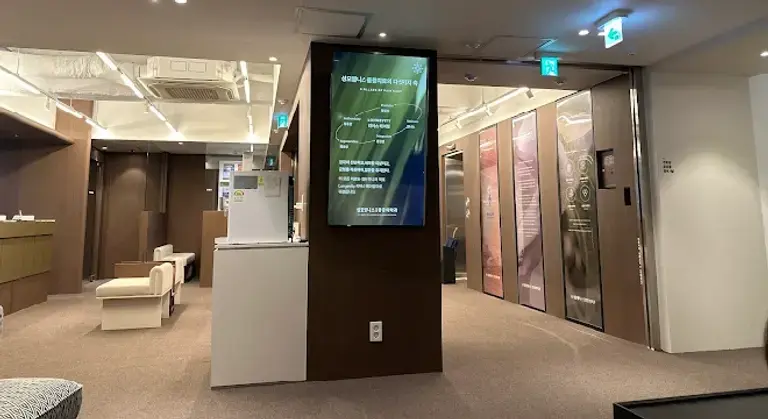
ST. MARY'S WELLNESS & PAIN MEDICINE CLINIC sits at the intersection of advanced pain medicine and precision regenerative care. This is not a general wellness center offering HBOT as an add-on service. The clinic's HBOT program is embedded within a broader clinical framework — one that accounts for how wound healing, cellular aging, immune function, and metabolic health are interconnected.
Dr. Hyo-jo Han's background in anesthesiology and interventional pain medicine means that wound assessment at this clinic goes deeper than surface evaluation. Patients who arrive with complex wound histories — those who have cycled through standard care without resolution — benefit from a clinical perspective that considers vascular, neurological, and systemic contributors alongside the wound itself.
The clinic's integrative model draws directly from its Precision Regenerative approach, which identifies four biological axes of aging and recovery: damage accumulation, mitochondrial energy, regeneration and stem-cell activity, and immune-cellular communication. HBOT addresses multiple axes simultaneously — improving cellular oxygen metabolism, supporting tissue regeneration, and modulating inflammatory signaling — making it a natural fit within this framework.
Key differentiators at ST. MARY'S WELLNESS & PAIN MEDICINE CLINIC include:
Specialist-led protocol design — every HBOT wound care plan is developed and overseen by Dr. Hyo-jo Han, a certified advanced pain practitioner with extensive procedural experience
Integration with regenerative therapies — HBOT can be combined with CELLVIVE anti-aging therapy, IV longevity protocols, and metabolic optimization treatments for patients whose wound healing is complicated by underlying aging or systemic decline
Individualized session parameters — pressure levels, session duration, and course length are calibrated to your specific wound type, not applied as a fixed template
Comprehensive monitoring — wound progress is tracked throughout the treatment course, with clinical adjustments made based on observed response rather than a predetermined schedule
- *\n\n## Patient Experiences
Patient A — Diabetic Foot Wound, Non-Healing for 3 Months
A patient in their late 50s with type 2 diabetes presented with a plantar foot ulcer that had not responded to standard dressings and offloading over 12 weeks. Following eligibility assessment and a structured HBOT course, the wound bed showed progressive granulation tissue formation and gradual reduction in wound dimensions. The patient continued concurrent diabetic wound care throughout.
Patient B — Post-Radiation Tissue Damage Following Cancer Treatment
A patient in their early 60s with a history of pelvic radiation presented with soft tissue necrosis at the treatment site. HBOT was incorporated as an adjunct to surgical debridement and ongoing wound management. Over the course of treatment, tissue viability in the surrounding area improved, supporting a more favorable environment for tissue repair.
Patient C — Compromised Skin Graft Following Reconstructive Surgery
A patient recovering from reconstructive surgery presented with partial graft failure in a distal area of the flap. HBOT was initiated to support perfusion to the graft margin. The patient completed the prescribed course alongside standard post-operative wound care, with the clinical team monitoring graft status throughout.
Final Call to Action
Non-Healing Wounds Deserve More Than Standard Care
If you or someone you care for is living with a wound that isn't responding to conventional treatment, ST. MARY'S WELLNESS & PAIN MEDICINE CLINIC offers a clinically grounded, specialist-led evaluation to determine whether Hyperbaric Oxygen Therapy is appropriate for your situation. Dr. Hyo-jo Han and the clinical team will review your wound history, assess your eligibility, and develop a structured treatment plan designed around your specific needs — not a generic protocol.
Book your HBOT wound care consultation at ST. MARY'S WELLNESS & PAIN MEDICINE CLINIC today. Our team is available to answer your questions, explain the process in detail, and help you understand what to expect before your first session.
For inquiries or to schedule an appointment, contact the clinic directly through our website or by phone. A member of our team will respond promptly to assist you.
Other Services
Explore additional treatments offered by our specialists.
Wound Healing & Tissue Recovery
Wound healing is a complex biological process that depends heavily on oxygen.
Learn More
RF Endermologie
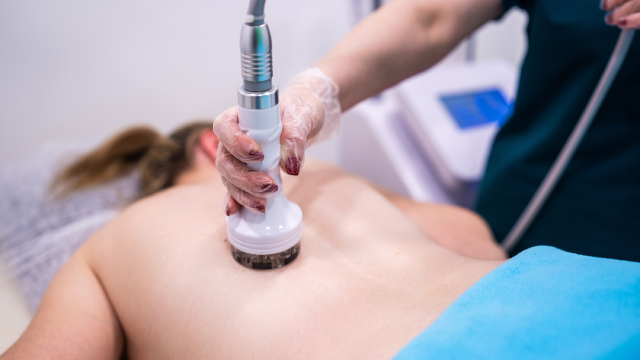
RF Endermologie, or radiofrequency endermologie, is a non-invasive body treatment that fuses two clinically established modalities into a single, integrated therapy session.
Learn More
PRP Injection Therapy
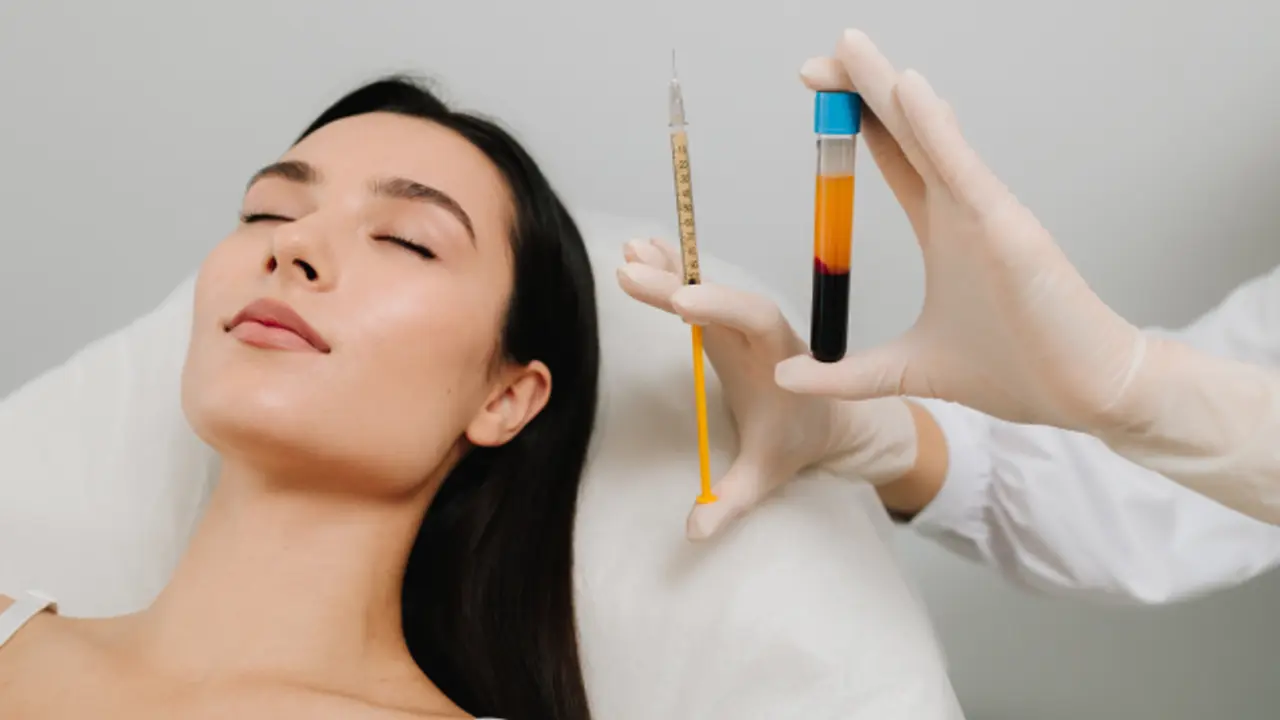
Platelet-Rich Plasma (PRP) therapy is an autologous regenerative treatment — meaning it uses your own biological material to promote tissue healing.
Learn More