Personalized Medical Care & Dedicated International Patient Concierge


Regenerative Pain Medicine
PDRN Regenerative Injection
Polydeoxyribonucleotide (PDRN) is a biologically active compound derived from purified DNA fragments.
Schedule a ConsultationPDRN Regenerative Injection
!
What is PDRN regenerative injection therapy?
Polydeoxyribonucleotide (PDRN) is a biologically active compound derived from purified DNA fragments. When injected into damaged or degenerative tissue, PDRN stimulates the A2A adenosine receptor pathway, which triggers a cascade of cellular repair responses. This includes activation of growth factors, reduction of inflammatory cytokines, and promotion of new blood vessel formation — a process known as angiogenesis.
In practical terms, PDRN therapy signals the body's own cells to begin repairing damaged structures: cartilage, tendons, ligaments, disc tissue, and the connective matrix surrounding joints. Rather than simply numbing pain, PDRN addresses the underlying cellular dysfunction that allows pain and degeneration to persist. It is classified as a regenerative injection therapy, sitting at the intersection of interventional pain management and precision cellular medicine.
At ST. MARY'S WELLNESS & PAIN MEDICINE CLINIC, PDRN injections are administered with image guidance and clinical precision, ensuring accurate delivery to the target tissue. The treatment is minimally invasive, requires no general anesthesia, and does not involve surgical disruption of surrounding anatomy.
The philosophy behind PDRN therapy aligns closely with the clinic's broader framework for addressing what the ST. MARY'S WELLNESS & PAIN MEDICINE CLINIC team identifies as the four biological axes of aging — damage accumulation, mitochondrial energy decline, stem cell regenerative capacity, and cellular communication. PDRN therapy directly supports the damage accumulation axis by restoring the molecular conditions needed for tissue self-repair.
Who benefits from PDRN regenerative injection?
PDRN therapy is appropriate for a wide range of patients presenting with musculoskeletal pain, degenerative conditions, or inadequate healing following injury or surgery. You may be a candidate if you experience any of the following:
Adults aged 35 and older experiencing progressive joint pain, stiffness, or reduced range of motion that has not resolved with rest, physiotherapy, or oral anti-inflammatory medication
Patients with cartilage degradation in the knee, hip, shoulder, or spinal facet joints, including those with early-to-moderate osteoarthritic changes
Individuals with chronic tendinopathy or ligament injury — particularly in the shoulder rotator cuff, Achilles tendon, patellar tendon, plantar fascia, or lateral elbow — where repetitive micro-damage has outpaced natural repair
Patients with disc-related spinal pain including cervical and lumbar disc degeneration, where PDRN may support extracellular matrix recovery and reduce discogenic inflammation
Post-surgical patients who have undergone spinal, joint, or soft tissue procedures and are experiencing delayed healing, residual inflammation, or incomplete functional recovery
Those with neuropathic or chronic pain conditions who require an anti-inflammatory, tissue-supportive approach alongside interventional management
Patients seeking non-surgical alternatives who have been advised on surgical options but wish to exhaust conservative-to-regenerative pathways first
Active individuals and those with physically demanding careers who cannot afford extended recovery periods and require a targeted, low-downtime treatment
- *\n\n## Meet the specialist: Dr. Hyo-jo Han
!
Dr. Hyo-jo Han
Specialist in Anesthesiology and Pain Medicine
Dr. Hyo-jo Han leads the pain medicine and regenerative care program at ST. MARY'S WELLNESS & PAIN MEDICINE CLINIC. She holds specialist certification in Anesthesiology and Pain Medicine and is credentialed as a Certified Advanced Pain Practitioner — a qualification reflecting advanced clinical training in complex and interventional pain management.
Dr. Han has passed USMLE Step 1 and Step 2, demonstrating proficiency across the breadth of clinical medicine. Her procedural experience is extensive: she has performed over 3,000 cervical and lumbar neuroplasty cases and more than 1,000 high-difficulty plasma disc decompression procedures. This volume of experience — particularly in technically demanding spinal interventions — places her among the most procedurally experienced practitioners in her field.
Her clinical focus spans interventional pain management, spinal disorders, neuropathic pain, chronic pain conditions, and cancer pain management. At ST. MARY'S WELLNESS & PAIN MEDICINE CLINIC, she brings this depth of procedural expertise to regenerative treatments including PDRN therapy, applying the same image-guided precision used in complex spinal interventions to the accurate delivery of regenerative agents.
Dr. Han's approach is grounded in the belief that pain management and cellular anti-aging care are not separate disciplines — they share a common foundation in tissue biology and the body's regenerative potential. Her clinical philosophy integrates the precision of interventional medicine with the forward-thinking principles of longevity and regenerative science.
Treatment areas and expected improvements
!
PDRN Regenerative Injection therapy can be applied across multiple anatomical targets. Each area benefits through the same core mechanism — cellular activation, inflammatory modulation, and tissue matrix restoration.
Joints (knee, hip, shoulder, ankle, wrist): PDRN delivered into or around a degenerative joint supports the repair of articular cartilage and the synovial environment. Patients may experience reduced joint pain, improved mobility, and decreased morning stiffness over a course of treatment. Results vary depending on the degree of existing degeneration, and PDRN is generally most effective in early-to-moderate joint pathology rather than end-stage structural loss.
Cervical and lumbar spine: In the context of disc degeneration, facet joint disease, or post-procedural recovery, PDRN injections can help reduce discogenic inflammation and support the extracellular matrix of disc tissue. Dr. Han's extensive background in cervical and lumbar neuroplasty allows her to combine PDRN with precision spinal interventions when clinically indicated, creating a complementary regenerative protocol for spinal pain patients.
Tendons and ligaments: Chronic tendinopathy — whether in the Achilles, patellar, rotator cuff, or elbow extensors — involves disorganized collagen architecture that resists natural healing. PDRN stimulates tenocyte activity and promotes structured collagen synthesis, supporting the gradual restoration of tendon integrity. Similarly, ligament injuries that have progressed to chronic laxity or scarring may benefit from PDRN-induced fibroblast activation and tissue remodeling.
Soft tissue and post-surgical sites: Following surgical procedures, certain patients experience localized inflammation, incomplete healing, or adhesion formation. PDRN's anti-inflammatory and angiogenic properties can support the tissue environment needed for more complete recovery, and the treatment may be incorporated into post-operative rehabilitation programs.
Expected improvements across all target areas may include:
Reduction in localized pain and tenderness
Improved joint range of motion and functional capacity
Decreased reliance on oral analgesics or anti-inflammatory medications
Gradual structural improvement in tissue quality over weeks to months
Results are variable and depend on individual health status, the severity and duration of the condition, adherence to follow-up protocols, and the integration of PDRN with broader rehabilitation or wellness care. No specific outcome can be guaranteed.
Treatment process and timeline
!
Step 1 — Initial consultation and clinical assessment
Your first appointment involves a detailed review of your pain history, previous treatments, imaging, and functional limitations. Dr. Han conducts a targeted physical examination and, where relevant, reviews MRI or ultrasound findings to determine the precise anatomical structures involved.
Step 2 — Diagnostic refinement and treatment planning
Based on the clinical assessment, Dr. Han develops an individualized PDRN injection protocol. This includes identifying the optimal injection sites, concentration, and treatment frequency. In some cases, additional diagnostic imaging or functional testing may be recommended prior to initiating treatment.
Step 3 — Pre-procedure preparation
The skin over the injection site is cleaned and prepared. Image guidance — such as ultrasound — may be used to confirm needle placement accuracy, particularly for deeper structures such as spinal facets, disc margins, or intra-articular spaces.
Step 4 — PDRN injection procedure
PDRN is administered via a precisely guided injection into the target tissue. The procedure is conducted in the clinic and does not require sedation or hospitalization. Procedural time varies by target area but is typically completed within 20 to 40 minutes. Most patients tolerate the procedure well, with only minor discomfort at the injection site.
Step 5 — Immediate post-procedure care
Following the injection, a brief observation period is standard. Patients are advised to avoid heavy physical loading of the treated area for 24 to 48 hours. Ice or light compression may be recommended to manage any localized swelling.
Step 6 — Follow-up and treatment series
PDRN therapy is typically delivered as a series of injections over several weeks, as the regenerative process requires sustained cellular signaling to achieve meaningful tissue remodeling. Follow-up appointments are scheduled to assess response, adjust the protocol if needed, and integrate PDRN with any complementary regenerative or rehabilitative care recommended by Dr. Han.
Results, safety, and longevity
PDRN has a well-characterized safety profile in clinical use. Because it is derived from purified, highly polymerized DNA fragments — not from living cells — there is no risk of cellular transfer or immune sensitization associated with cell-based therapies. The compound is broken down naturally by the body following its regenerative activity.
Commonly reported side effects are mild and transient, including temporary soreness or swelling at the injection site. Systemic adverse effects are rare when the therapy is administered by a qualified practitioner with appropriate technique.
The biological rationale for PDRN's effects — receptor-mediated cellular activation, growth factor upregulation, and angiogenic support — is well-supported in the published biomedical literature, including studies referenced in the field of regenerative medicine and cellular repair.
The duration of benefit from PDRN therapy varies depending on the condition treated, the patient's overall cellular health, and whether the therapy is integrated with complementary care such as rehabilitation, IV nutritional therapy, or other regenerative interventions offered at ST. MARY'S WELLNESS & PAIN MEDICINE CLINIC. Some patients experience meaningful improvements that persist for several months following a treatment series; others benefit from periodic maintenance sessions as part of an ongoing longevity and wellness protocol.
As with all regenerative therapies, outcomes are not uniform. Patients with extensive structural damage, advanced degenerative disease, or significant systemic health challenges may experience more modest or slower improvement. Dr. Han will provide a realistic clinical assessment during your consultation.
Why choose ST. MARY'S WELLNESS & PAIN MEDICINE CLINIC for PDRN therapy?
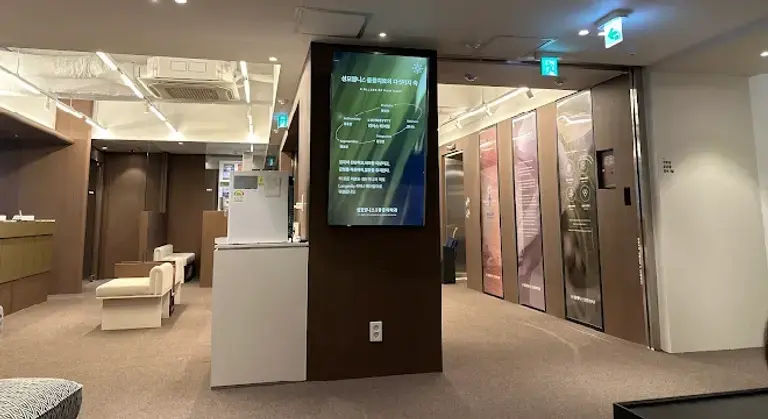
ST. MARY'S WELLNESS & PAIN MEDICINE CLINIC occupies a rare clinical position: a practice that integrates high-volume interventional pain expertise with precision regenerative medicine and cellular anti-aging science. For patients seeking PDRN therapy, this means the treatment is not delivered in isolation — it is embedded in a broader understanding of tissue biology, pain physiology, and the mechanisms of cellular aging.
Dr. Hyo-jo Han's procedural experience, with over 3,000 neuroplasty cases and 1,000+ plasma disc decompression procedures to her record, reflects a level of interventional precision that directly benefits PDRN patients. Accurate needle placement is not incidental to regenerative injection outcomes — it is foundational. The same technical discipline applied to complex spinal cases is brought to every PDRN procedure.
The clinic's Precision Regenerative Model — built around the four biological axes of aging — means that PDRN therapy is placed within a coherent clinical framework. Patients are assessed for damage accumulation, energy deficit, regenerative decline, and inflammatory dysregulation. PDRN is selected and positioned as a targeted intervention within that framework, not simply administered as a standalone product.
Clinical differentiators at ST. MARY'S WELLNESS & PAIN MEDICINE CLINIC:
Led by a Certified Advanced Pain Practitioner with 3,000+ complex spinal procedures
PDRN delivered with image-guided precision to maximize targeting accuracy
Integrated within a comprehensive regenerative and anti-aging protocol when appropriate
Consultations are thorough and individualized — no template-driven treatment plans
Suitable for international patients seeking specialist-level regenerative pain care
Patient experiences
Patient A — Chronic knee pain, 52 years old
A long-term professional with bilateral knee pain affecting daily walking and stair climbing sought a non-surgical option after declining operative management. Following a structured course of PDRN injections targeting the medial compartment and periarticular soft tissue, the patient reported a gradual but meaningful reduction in resting pain and improved walking tolerance over an eight-week period.
Patient B — Lumbar disc-related pain, 44 years old
A patient with L4–L5 disc degeneration and chronic low back pain had not achieved satisfactory relief through physiotherapy alone. Dr. Han developed a combined approach incorporating PDRN with targeted spinal intervention, addressing both the inflammatory and structural dimensions of the patient's condition. Functional improvement was noted at follow-up, with reduced analgesic use.
Patient C — Rotator cuff tendinopathy, 39 years old
An active patient with a six-month history of shoulder pain affecting sleep and overhead activity underwent a series of PDRN injections to the supraspinatus tendon under ultrasound guidance. Progressive recovery of shoulder strength and a reduction in pain at end-range were observed across the treatment course, allowing a return to recreational activity.
Ready to rebuild the tissue behind your pain?
PDRN Regenerative Injection Therapy at ST. MARY'S WELLNESS & PAIN MEDICINE CLINIC offers a scientifically supported, minimally invasive pathway to genuine tissue repair — delivered by a practitioner with rare depth of interventional and regenerative expertise. Whether you are managing chronic joint pain, spinal degeneration, tendinopathy, or incomplete recovery from injury, a consultation with Dr. Hyo-jo Han will give you a clear, honest, and individualized clinical picture.
We welcome patients seeking specialist-level regenerative pain care, including those traveling from abroad for access to advanced treatment options. Our clinic provides comprehensive consultations in both Korean and English, and we are experienced in supporting international patients through diagnosis, treatment, and follow-up planning.
Schedule your consultation with Dr. Han today — and begin the process of understanding what regenerative medicine can realistically offer for your specific condition.
Contact us | Book online | All inquiries are reviewed and responded to promptly by our clinical team.
PDRN Regenerative Injection Therapy is a medical procedure. Individual results vary. This page is for informational purposes only and does not constitute medical advice. Please consult a qualified clinician to determine whether PDRN therapy is appropriate for your condition.
Related Clinic Guides & Medical References
- Related Clinic Pages: Regenerative Pain Medicine · Dr. Hyo-jo Han (Pain Medicine Specialist) · 1:1 Consultation & Appointment Inquiry
- Clinical & Academic References: American Society of Regional Anesthesia and Pain Medicine (ASRA) · American Academy of Orthopaedic Surgeons (AAOS)
Other Services
Explore additional treatments offered by our specialists.
Wound Healing & Tissue Recovery
Wound healing is a complex biological process that depends heavily on oxygen.
Learn More
RF Endermologie
RF Endermologie, or radiofrequency endermologie, is a non-invasive body treatment that fuses two clinically established modalities into a single, integrated therapy session.
Learn More
PRP Injection Therapy
Platelet-Rich Plasma (PRP) therapy is an autologous regenerative treatment — meaning it uses your own biological material to promote tissue healing.
Learn More