Personalized Medical Care & Dedicated International Patient Concierge

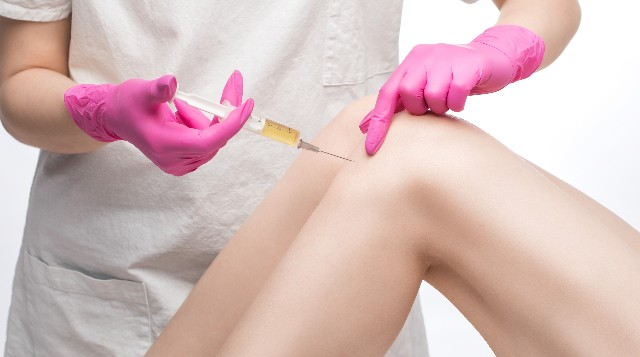
Regenerative Pain Medicine
Prolotherapy
Prolotherapy, short for proliferative therapy, is a minimally invasive regenerative injection treatment designed to stimulate the body's natural repair process in damaged or weakened connective tissues.
Schedule a ConsultationProlotherapy
!
What is Prolotherapy in Regenerative Pain Medicine?
Prolotherapy, short for proliferative therapy, is a minimally invasive regenerative injection treatment designed to stimulate the body's natural repair process in damaged or weakened connective tissues. The procedure involves the precise injection of a dextrose (sugar water) solution into targeted areas of the joint, ligament, or tendon.
When introduced into injured tissue, the dextrose solution triggers a mild, controlled inflammatory response. This response prompts the body to send healing cells and growth factors to the site, initiating tissue repair, collagen production, and structural reinforcement of weakened structures. Unlike steroid injections, which may suppress inflammation and provide only temporary relief, prolotherapy works with the body's biology to address the underlying source of pain.
At ST. MARY'S WELLNESS & PAIN MEDICINE CLINIC, prolotherapy is integrated within a broader precision regenerative framework — the same philosophy that underpins the clinic's cellular anti-aging and musculoskeletal medicine programs. The goal is not just symptom management, but the restoration of tissue integrity, joint stability, and functional capacity over time.
Who Needs Prolotherapy Treatment?
Prolotherapy may be appropriate for a wide range of patients. You may be a candidate if you are experiencing any of the following:
Adults aged 30 and above experiencing joint pain that has persisted despite rest, physiotherapy, or anti-inflammatory medication
Patients with chronic knee pain, including those with early-to-moderate degeneration or ligament instability
Individuals with chronic shoulder pain caused by rotator cuff strain, labral weakness, or glenohumeral instability
Those suffering from lower back or cervical pain related to ligament laxity, facet joint dysfunction, or sacroiliac joint instability
Athletes or active individuals recovering from repetitive-use tendon injuries, sprains, or partial tears
Patients who wish to avoid surgery or who are not yet surgical candidates
Individuals who have plateaued in their recovery and are seeking a regenerative approach to pain management
Those seeking a non-steroidal, biologically driven treatment option for musculoskeletal pain
Prolotherapy is not appropriate for everyone. Patients with active infection at the injection site, blood clotting disorders, or certain autoimmune conditions may not be suitable candidates. A thorough consultation with Dr. Han is essential before treatment is initiated.
Meet the Specialist: Dr. Hyo-jo Han
!
Dr. Hyo-jo Han
Specialist in Anesthesiology and Pain Medicine
Dr. Hyo-jo Han Specialist — Anesthesiology and Pain Medicine Certified Advanced Pain Practitioner USMLE Step 1 & Step 2 — Passed
Dr. Han brings a rare combination of academic training and high-volume interventional experience to every patient consultation. With over 3,000 cervical and lumbar neuroplasty cases performed and more than 1,000 high-difficulty plasma disc decompression procedures completed, Dr. Han is among the most experienced interventional pain practitioners in the region.
His clinical focus spans cancer pain management, spinal disorders, neuropathic pain, and chronic musculoskeletal conditions. Prolotherapy sits naturally within this spectrum — as a precise, evidence-informed tool for addressing connective tissue dysfunction that underlies so many forms of chronic pain.
At ST. MARY'S WELLNESS & PAIN MEDICINE CLINIC, Dr. Han's approach reflects the clinic's overarching mission: to treat the source of dysfunction, not merely its symptoms. Every prolotherapy program is designed around the individual patient's anatomy, pain history, and functional goals.
Treatment Areas and Expected Improvements
Prolotherapy at St. Mary's can be applied to a range of anatomical targets, depending on each patient's clinical presentation.
Knee Joint and Surrounding Ligaments: The knee is one of the most commonly treated areas with prolotherapy. Dextrose injections are directed at weakened collateral or cruciate ligaments, the joint capsule, and tendon attachment points. Patients may experience improved joint stability, reduced pain with weight-bearing activity, and greater range of motion over a series of treatments.
Lumbar and Sacroiliac Region: Chronic low back pain is frequently associated with ligament laxity in the lumbar spine or sacroiliac joint. Prolotherapy targets these structures to encourage connective tissue tightening and improved spinal support. Patients may notice a reduction in aching, stiffness, and the frequency of pain episodes with regular activity.
Cervical Spine and Neck: Neck pain related to ligament instability, whiplash sequelae, or facet joint dysfunction responds well to carefully placed prolotherapy injections. Treatment may support improved cervical stability and a reduction in referred pain patterns into the shoulders or arms.
Shoulder Joint, Rotator Cuff, and Labrum The shoulder complex — including the glenohumeral joint, surrounding ligaments, and rotator cuff tendons — can degenerate with age or repetitive strain. Prolotherapy encourages fibroblast activity and collagen remodeling at these structures, potentially reducing instability, improving overhead function, and decreasing chronic aching.
Hip Joint and Surrounding Tendons: Hip pain arising from tendinopathy, bursitis-adjacent tissue dysfunction, or joint capsule laxity can be addressed with targeted injections, potentially supporting improved load tolerance and reduced discomfort during movement.
Ankle, Foot, and Wrist Ligaments: Patients with chronic ankle instability, plantar fascia pathology, or wrist ligament insufficiency may benefit from prolotherapy to reinforce overstretched connective tissue structures.
Expected improvements vary between individuals and depend on the severity of tissue damage, the number of treatment cycles completed, patient age, and overall health status. Outcomes are not guaranteed, and individual responses differ.
Treatment Process and Timeline
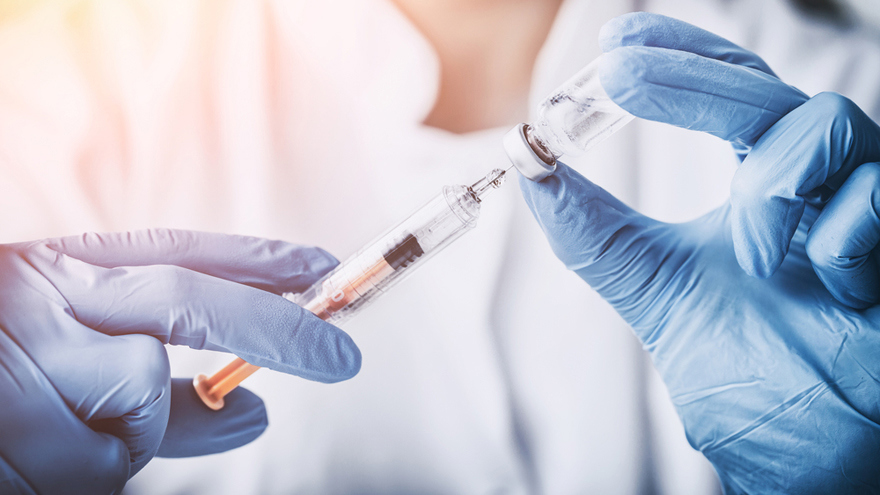
Step 1 — Initial Consultation with Dr. Han
Your first appointment involves a comprehensive clinical assessment, including a detailed pain history, functional evaluation, and review of any prior imaging or treatment records. Dr. Han will determine whether prolotherapy is appropriate for your condition and which anatomical targets should be prioritized.
Step 2 — Diagnostic Assessment
Where indicated, imaging review or additional diagnostic evaluation may be performed to map the precise location of ligament laxity, tendon degeneration, or joint instability. This data-informed approach ensures that injections are placed with accuracy and clinical intent.
Step 3 — Treatment Preparation
The target area is cleaned and prepared. Dr. Han discusses the injection protocol with you — including the concentration of dextrose solution, number of injection sites, and what to expect during the procedure. Most patients tolerate the procedure well with topical or local anesthetic support.
Step 4 — Prolotherapy Procedure
Using precise anatomical guidance, Dr. Han injects the dextrose solution into the targeted connective tissue sites. Depending on the treatment area and the number of structures involved, the procedure typically requires 15 to 45 minutes. Multiple injection points may be used within a single session to cover the relevant anatomy comprehensively.
Step 5 — Immediate Aftercare
Mild soreness, warmth, or localized swelling at the injection sites is a normal and expected part of the treatment response, reflecting the initiation of the healing cascade. Patients are advised to avoid aggressive anti-inflammatory medications in the days following treatment, as these may blunt the biological response that prolotherapy is designed to stimulate.
Step 6 — Follow-Up and Repeat Sessions
Prolotherapy is not a single-session procedure for most patients. A standard program typically involves three to six sessions spaced several weeks apart, allowing adequate time for tissue repair between treatments. Dr. Han reassesses your progress at each follow-up to adjust the protocol as needed and determine when treatment goals have been met.
Results, Safety, and Longevity
Prolotherapy is a well-established regenerative procedure with a long clinical history in musculoskeletal medicine. When performed by a trained specialist, it carries a favorable safety profile. Common, expected side effects include temporary soreness, stiffness, and minor swelling at the injection site, which typically resolve within a few days to one week.
Serious adverse events are uncommon but possible, as with any injection-based procedure. These include infection, bleeding, or nerve irritation. Dr. Han's extensive interventional experience — encompassing thousands of spinal and pain management procedures — ensures that prolotherapy is performed with precision, sterile technique, and careful patient selection.
Results from prolotherapy develop gradually as tissue remodeling occurs. Many patients begin to notice meaningful improvements in pain and function after two to three sessions, with further progression through subsequent treatments. Duration of benefit varies by individual. Patients who maintain appropriate physical conditioning, address contributing lifestyle factors, and adhere to their prescribed treatment schedule tend to achieve the most sustained outcomes.
Prolotherapy does not claim to reverse advanced joint degeneration or replace surgical intervention where it is clinically necessary. It is most effective in patients with mild-to-moderate connective tissue dysfunction, ligament instability, or tendinopathy, and should be discussed fully with Dr. Han before proceeding.
Why Choose ST. MARY'S WELLNESS & PAIN MEDICINE CLINIC for Prolotherapy?
!
ST. MARY'S WELLNESS & PAIN MEDICINE CLINIC occupies a unique position in the landscape of pain medicine. Unlike clinics that address pain in isolation, St. Mary's operates from a precision regenerative model — one that views musculoskeletal dysfunction and cellular aging as interconnected challenges requiring a unified, biologically grounded response.
This philosophy is reflected in how prolotherapy is delivered here. Rather than offering it as a standalone injection service, Dr. Han integrates prolotherapy within a broader assessment of each patient's pain drivers, structural vulnerabilities, and overall regenerative health. Where appropriate, prolotherapy may be complemented by other clinic offerings — including IV nutritional therapy, hyperbaric oxygen therapy (HBOT), or cellular anti-aging programs — to support the tissue environment in which healing occurs. Hyperbaric oxygen, for instance, enhances tissue oxygenation and microcirculation, creating conditions that may support the regenerative response initiated by prolotherapy.
Patients travelling for care will find that St. Mary's is structured to support efficient, high-quality consultation and treatment delivery. From initial assessment through procedure and follow-up, the clinic's one-stop care model minimizes the number of separate appointments required and ensures continuity across each stage of the treatment journey.
Key differentiators:
Dr. Han's dual certification in Anesthesiology and Pain Medicine and as a Certified Advanced Pain Practitioner provides a clinical foundation that combines systemic understanding with precise procedural skill
Over 3,000 neuroplasty cases and 1,000+ high-difficulty interventional procedures reflect a level of procedural experience uncommon in pain medicine settings
The clinic's Precision Regenerative Model ensures prolotherapy is never delivered as a generic protocol — each program is designed around the individual patient's anatomy, history, and goals
Integration with complementary regenerative therapies — including HBOT, cellular IV programs, and telomere-based aging assessment — allows St. Mary's to address the tissue environment alongside the structural target
Real Patient Experiences
Patient A — Chronic Knee Instability After Sports Injury
A male patient in his early 40s presented with persistent medial knee pain and a sense of joint instability following a ligament sprain that had not fully resolved with physiotherapy. After three sessions of knee ligament prolotherapy, he reported a notable reduction in pain during walking and was able to return to recreational exercise without the knee bracing he had relied on for over a year. Results vary between individuals.
Patient B — Lower Back Pain and Sacroiliac Dysfunction
A female patient in her late 50s with longstanding low back pain, attributed to sacroiliac joint laxity and lumbar ligament weakness, underwent a six-session prolotherapy program targeting the posterior lumbar and sacroiliac structures. She described a gradual but meaningful reduction in daily aching and improved tolerance for prolonged sitting and standing. No procedure guarantees specific results.
Patient C — Shoulder Pain Limiting Daily Function
A patient in his mid-30s with chronic shoulder pain linked to mild rotator cuff tendinopathy and glenohumeral ligament laxity had avoided surgery but was struggling with overhead tasks. Following a tailored prolotherapy protocol addressing the shoulder joint and surrounding structures, he reported progressive improvement in pain scores and functional range across his treatment course.
Take the Next Step Toward Lasting Pain Relief
If you have been living with chronic joint, ligament, or tendon pain and are ready to explore a regenerative approach that works with your body rather than around it, ST. MARY'S WELLNESS & PAIN MEDICINE CLINIC is here to help.
Dr. Hyo-jo Han and the St. Mary's team will assess your condition thoroughly, explain whether prolotherapy is appropriate for your specific situation, and design a treatment program tailored to your anatomy and goals. Consultations are available for both local and international patients, with structured care pathways to ensure your experience is seamless from first contact to final follow-up.
Book your prolotherapy consultation with Dr. Hyo-jo Han today. Our team will confirm your appointment, guide you through what to bring, and ensure you arrive fully prepared for a productive first visit.
Alternatively, you may contact our clinic directly to speak with a member of our clinical coordination team, who can answer initial questions and help you determine the right next step.
Prolotherapy is a medical procedure. All treatment decisions are made following a thorough individual assessment by Dr. Han. This page is for informational purposes and does not constitute medical advice.
Other Services
Explore additional treatments offered by our specialists.
Wound Healing & Tissue Recovery
Wound healing is a complex biological process that depends heavily on oxygen.
Learn More
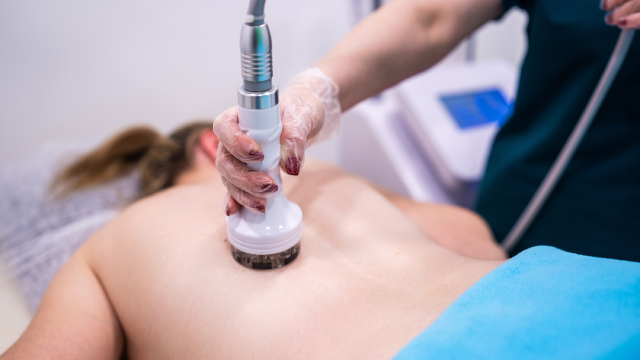
RF Endermologie
RF Endermologie, or radiofrequency endermologie, is a non-invasive body treatment that fuses two clinically established modalities into a single, integrated therapy session.
Learn More
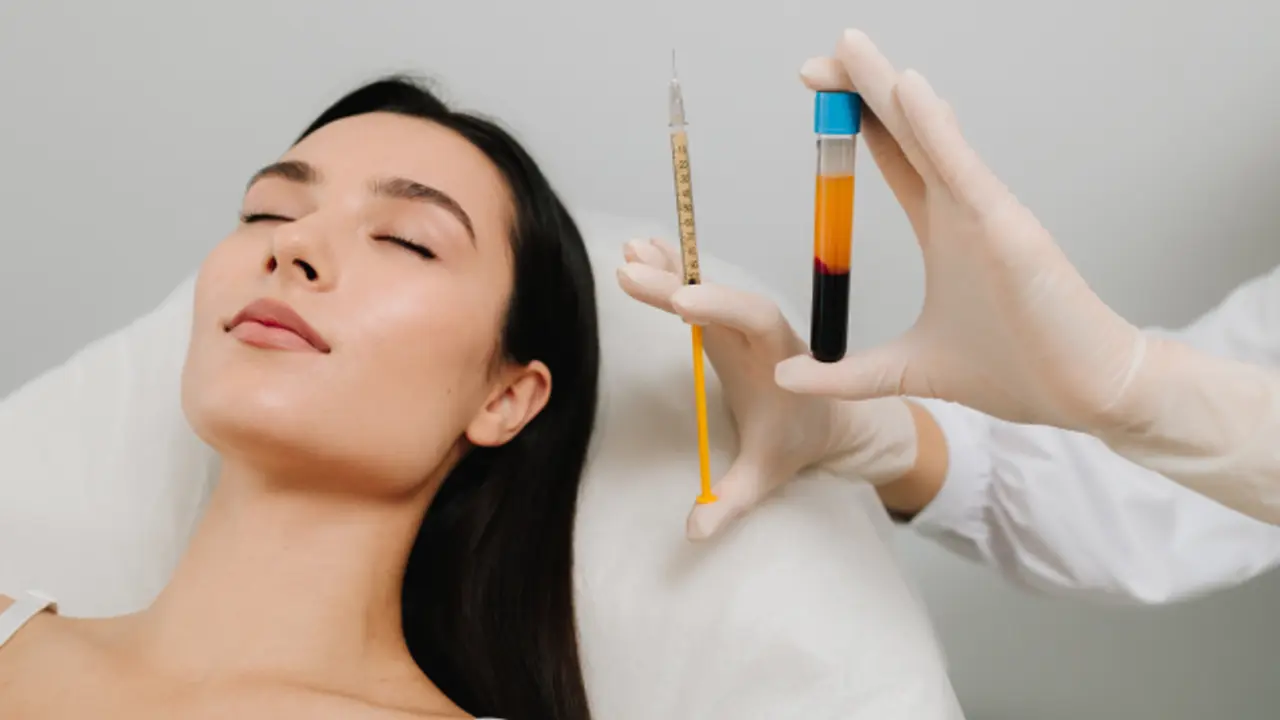
PRP Injection Therapy
Platelet-Rich Plasma (PRP) therapy is an autologous regenerative treatment — meaning it uses your own biological material to promote tissue healing.
Learn More