Personalized Medical Care & Dedicated International Patient Concierge

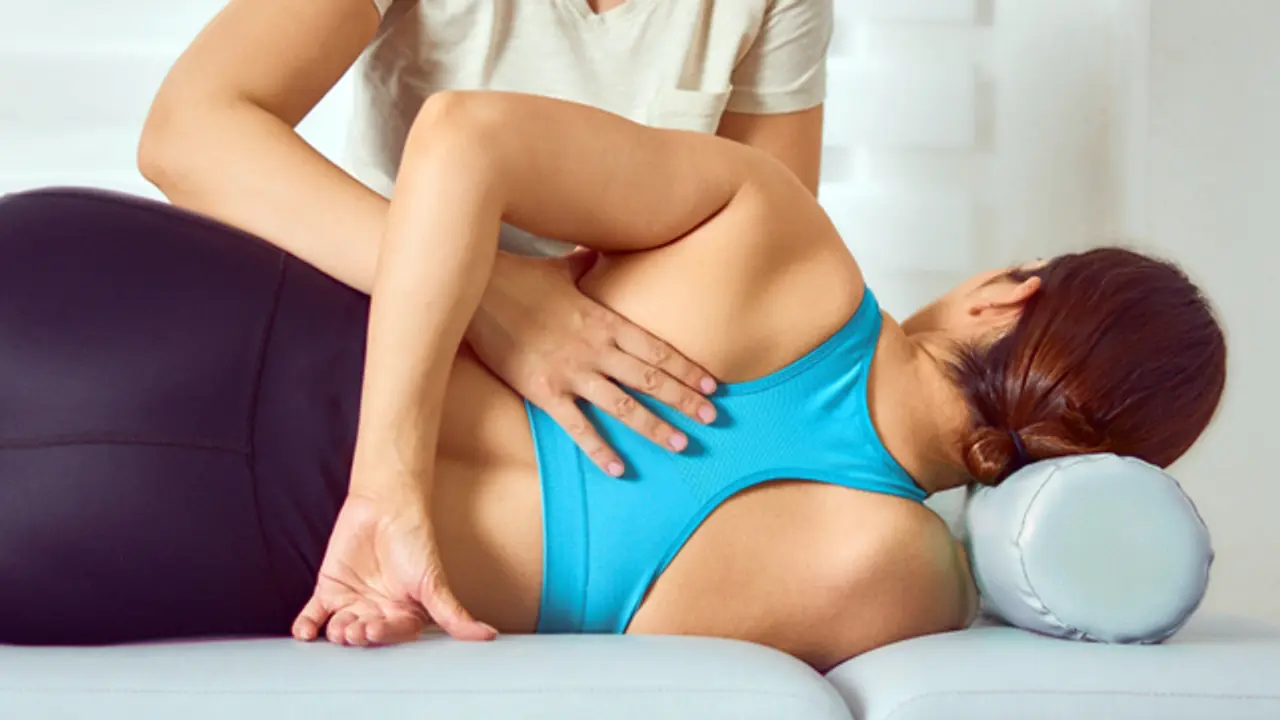
Specialty Overview
Physical Therapy & Rehabilitation
Physical Therapy & Rehabilitation at St. Mary's Wellness is distinct from conventional physiotherapy in one fundamental respect: it is physician-directed from first consultation to discharge.
Schedule a ConsultationPhysical Therapy & Rehabilitation
!
What Is Physical Therapy & Rehabilitation at St. Mary's Wellness?
Physical Therapy & Rehabilitation at St. Mary's Wellness is distinct from conventional physiotherapy in one fundamental respect: it is physician-directed from first consultation to discharge. Dr. Hyo-Jo Han assesses each patient's structural diagnosis, functional deficits, and movement patterns before designing a rehabilitation program — and reviews progress continuously, adjusting the protocol based on clinical response rather than a fixed timeline.
The program integrates three complementary treatment modalities. ESWT addresses the tissue-level pathology — stimulating cellular repair in tendons, fascia, and calcified structures that conservative treatment has failed to resolve. Manual therapy addresses joint mobility, soft tissue restriction, and the movement compensations that chronic pain produces over time. Muscle function restoration addresses the neuromuscular dimension — the inhibited, atrophied, or poorly coordinated muscles that persist as functional deficits long after the original injury or pain source has been treated.
Within the clinic's PRM for Longevity framework, physical rehabilitation is understood as a component of the broader biological recovery program. Patients whose musculoskeletal condition has been treated with regenerative pain injections — PRP, PDRN, prolotherapy, or plasma disc decompression — transition into the rehabilitation program to consolidate the structural gains those treatments produce and restore full functional capacity. Physical rehabilitation and regenerative medicine are not sequential at St. Mary's Wellness — they are parallel and mutually reinforcing tracks of the same recovery plan.
Chronic Pain and Functional Loss? Recovery Requires More Than Rest
Many patients arrive at St. Mary's Wellness having been told that their condition requires only rest, time, and pain management — and having discovered that this advice, applied faithfully, has not produced the recovery they were promised. Chronic tendinopathy does not resolve with rest alone. Post-injury muscle weakness does not reverse without targeted neuromuscular intervention. Movement compensations learned during a painful period do not self-correct once pain subsides — they become ingrained patterns that produce new pain in adjacent structures.
At St. Mary's Wellness, we understand that musculoskeletal recovery is an active biological process that requires the right stimulus at the right tissue at the right time — not passive waiting. Whether your condition is a chronic tendon, a post-surgical joint, a spine that has lost its structural support, or a movement pattern that has adapted around pain, the clinic's Physical Therapy & Rehabilitation program offers a structured, physician-directed path to genuine functional recovery.
Physical Therapy & Rehabilitation Services
!
All rehabilitation programs at St. Mary's Wellness are designed and overseen by Dr. Hyo-Jo Han. The following three modalities form the core of the program:
Extracorporeal Shockwave Therapy (ESWT)
Manual Therapy & Rehabilitation
Muscle Function Restoration
Extracorporeal Shockwave Therapy (ESWT)
Extracorporeal Shockwave Therapy (ESWT) delivers high-energy acoustic pressure waves to damaged or degenerated tissue through the skin surface — no needles, no incisions, no anaesthesia. At the tissue level, shockwave energy stimulates fibroblast proliferation, promotes collagen synthesis, triggers neovascularization (the formation of new blood vessels in poorly vascularized tissue), and disperses calcific deposits in conditions such as calcific tendinitis of the shoulder. These mechanisms address the underlying pathology of chronic tendinopathy directly — making ESWT one of the few non-invasive treatments with a genuine biological rationale for conditions that have failed to respond to rest, anti-inflammatory medication, and conventional physiotherapy.
The primary indications for ESWT at St. Mary's Wellness include chronic Achilles tendinopathy, plantar fasciitis, patellar tendinopathy, rotator cuff tendinopathy, lateral and medial epicondylitis, and calcific shoulder. For patients who have managed these conditions for months or years without resolution, ESWT represents a clinically supported intervention that changes the biological environment of the affected tissue rather than simply managing its symptoms. It is frequently combined with PRP injection therapy from the clinic's regenerative pain program — ESWT preparing the tissue environment and PRP delivering the growth factors that accelerate the repair process ESWT initiates.
Manual Therapy & Rehabilitation
Manual Therapy & Rehabilitation at St. Mary's Wellness is a Precision Rehabilitation Therapy (PRT) program in which the physician and the rehabilitation team collaborate continuously throughout the patient's treatment course — rather than the physician assessing once and delegating entirely to a therapist. Dr. Han reviews each patient's structural diagnosis, functional movement assessment, and rehabilitation response at defined intervals, adjusting the program based on what the clinical picture shows rather than what a standard protocol predicts.
Manual therapy techniques address joint mobility restrictions, soft tissue adhesions, fascial tightness, and the compensatory movement patterns that chronic pain and injury produce over time. These compensations — the protective muscular bracing, the altered gait, the restricted range of motion adopted to avoid pain — frequently outlast the original injury and become independent sources of dysfunction and pain in their own right. Identifying and systematically releasing these secondary restrictions is central to the rehabilitation program.
The rehabilitation component addresses functional movement restoration — rebuilding the movement capacity, coordination, and endurance that pain and disuse have eroded. Programs are designed to be adaptive: as the patient's capacity changes, the program changes with it. For patients recovering from spinal conditions treated with nerve block or plasma disc decompression, joint conditions treated with hyaluronic acid or PRP injection, or post-surgical rehabilitation, the PRT program provides the structured functional recovery that consolidates and extends the gains made by preceding interventional treatment.
Muscle Function Restoration
Muscle Function Restoration addresses one of the most persistent and underappreciated consequences of chronic musculoskeletal pain: neuromuscular inhibition. When a muscle or muscle group is associated with pain — whether as the source of the pain, as a structure adjacent to the pain, or simply as part of a movement pattern that produces pain — the nervous system progressively reduces its activation of that muscle as a protective response. This inhibition is neurologically appropriate in the short term but becomes pathological when it persists after the pain has been treated, leaving the patient with muscle weakness, poor motor control, movement asymmetry, and vulnerability to reinjury that rest and general exercise do not resolve.
Muscle Function Restoration uses targeted neuromuscular re-education techniques to restore normal activation patterns in inhibited muscles, rebuild the strength and endurance that disuse has eroded, and re-establish the coordinated movement that efficient, pain-free physical function requires. For patients with chronic spinal pain, the deep stabilizing muscles of the spine — the multifidus and transversus abdominis — are typically profoundly inhibited and require specific reactivation before general strengthening is appropriate. For patients with chronic shoulder or hip conditions, the rotator cuff or deep hip stabilizers present similarly. Muscle Function Restoration addresses these specific deficits systematically — not with generic strengthening programs, but with targeted activation, progressive loading, and movement pattern correction designed around the individual patient's neuromuscular assessment findings.
Why Choose St. Mary's Wellness for Physical Therapy & Rehabilitation
!
Physician-directed rehabilitation from assessment to discharge: Dr. Han's involvement does not end at diagnosis. He reviews rehabilitation progress at defined intervals, adjusts programs based on clinical response, and integrates rehabilitation with regenerative pain treatment in real time — ensuring that physical recovery and biological tissue repair proceed as a coordinated plan, not sequential stages.
ESWT as a biologically grounded intervention: The clinic uses ESWT not as a symptomatic relief tool but as a tissue-level biological intervention — stimulating the cellular repair mechanisms that chronic tendinopathy and calcific conditions require. For patients who have been managing these conditions conservatively without resolution, this distinction matters clinically.
Integration with regenerative injection therapy: Physical rehabilitation at St. Mary's Wellness is formally integrated with the clinic's regenerative pain program. ESWT and PRP are frequently combined for tendinopathy; rehabilitation follows plasma disc decompression and nerve block for spinal conditions; manual therapy complements PDRN and prolotherapy for ligament and joint instability. The physical and biological dimensions of recovery are addressed simultaneously.
Adaptive, individually designed programs: No two patients receive the same rehabilitation program. The clinic's PRT framework ensures that treatment evolves with the patient's changing clinical picture — adjusting load, technique, and modality combination based on what each assessment reveals.
Connection to the full longevity framework: For patients whose musculoskeletal condition exists alongside broader signs of biological aging, physical rehabilitation connects naturally to the clinic's CELLVIVE™, HBOT, and IV therapy programs — each modality reinforcing the others at the cellular and structural level.
Meet the Rehabilitation Specialist: Dr. Hyo-Jo Han
**!
Dr. Hyo-Jo Han Ph.D
**Specialist in Anesthesiology & Pain Medicine and Certified Senior Pain Physician\n\nThe Physical Therapy & Rehabilitation program at St. Mary's Wellness is led by Dr. Hyo-Jo Han, a Specialist in Anesthesiology & Pain Medicine and Certified Senior Pain Physician with a Ph.D. from the Catholic University of Korea. Dr. Han served as Adjunct Professor at Seoul St. Mary's Hospital Pain Center, Director of the Cancer Pain Clinic at CHA University Bundang CHA Hospital, and Clinical Instructor at Seoul National University Dental Hospital. He has passed both USMLE Step 1 and Step 2 and has published research on the pathophysiology of chronic pain in international peer-reviewed journals.
With more than 3,000 neuroplasty procedures, 1,000 plasma disc decompression cases, and 15,000+ annual consultations, Dr. Han brings an unusually deep understanding of the relationship between structural pain pathology and functional recovery to his rehabilitation program design. His conviction — that pain is not a symptom to be managed but a signal that cells and structures can no longer recover on their own — shapes every rehabilitation plan the clinic produces: recovery is a biological process that requires the right clinical stimulus, not a waiting game.
International Patients & Global Support for Physical Therapy & Rehabilitation
St. Mary's Wellness welcomes international patients seeking physician-directed physical rehabilitation for chronic musculoskeletal conditions, post-surgical recovery, or functional restoration programs that combine ESWT with regenerative injection therapy. The program can be efficiently delivered within a defined visit window and coordinated with other clinic programs during the same trip.
Pre-arrival teleconsultation: Patients can submit imaging, surgical reports, and clinical history in advance for review by Dr. Han, enabling an informed assessment and preliminary program design before the first in-person visit.
Multilingual care coordination: Language support is available throughout consultation, treatment, and aftercare to ensure clinical findings and rehabilitation instructions are communicated accurately.
Integrated scheduling: For patients combining rehabilitation with regenerative pain injections, IV therapy, or HBOT, sessions are sequenced to complement and reinforce the broader treatment plan.
Remote follow-up: Post-visit consultations are available to review progress, guide at-home exercise and rehabilitation practices, and plan subsequent visits where additional treatment cycles are indicated.
Real Patient Journeys: Physical Therapy & Rehabilitation
The following are illustrative examples of the types of cases the Physical Therapy & Rehabilitation program addresses. Individual outcomes vary and are not guaranteed.
Case example 1 — Chronic Achilles tendinopathy, male, late 40s
A male patient in his late forties presented with an 18-month history of chronic Achilles tendinopathy that had not resolved with rest, physiotherapy, or a course of anti-inflammatory medication. He was an active runner who had been unable to train for over a year and was considering surgical debridement. Dr. Han recommended a structured program of ESWT combined with PRP Injection Therapy — ESWT to stimulate the cellular repair environment within the tendon and PRP to deliver autologous growth factors into the tissue ESWT had activated. Following the combined treatment course, the patient reported progressive reduction in tendon pain and stiffness, and was able to return to structured running training within a timeframe that surgical recovery would not have permitted.
Case example 2 — Post-surgical spinal rehabilitation, female, early 50s
A female patient in her early fifties presented eight weeks following lumbar microdiscectomy with persistent lower limb weakness, poor core activation, and movement anxiety — a reluctance to load the spine that her surgical recovery had instilled and that was now limiting her functional progress. Standard post-surgical physiotherapy had produced limited improvement. Dr. Han designed a PRT rehabilitation program incorporating Muscle Function Restoration targeting the deep spinal stabilizers — multifidus and transversus abdominis — alongside manual therapy to address the thoracolumbar fascial restrictions and movement compensations her guarded posture had produced. The program was coordinated with PDRN Regenerative Injection at the surgical site to support ongoing tissue recovery. She reported progressive restoration of core activation, improved movement confidence, and a return to full daily functional capacity across the rehabilitation course.
What to Expect from Physical Therapy & Rehabilitation at St. Mary's Wellness
Step 1: Clinical assessment & functional evaluation
Your rehabilitation program begins with a comprehensive consultation with Dr. Hyo-Jo Han, during which your musculoskeletal history, imaging findings, prior treatment outcomes, and current functional limitations are reviewed in detail. A clinical examination assesses joint mobility, muscle activation patterns, movement quality, and postural alignment — identifying both the structural source of your condition and the functional deficits it has produced. International patients can submit imaging and clinical records in advance for preliminary review and arrange a pre-arrival teleconsultation to begin the assessment process before traveling.
Step 2: Personalized rehabilitation program design
Based on your clinical and functional assessment, Dr. Han designs a personalized rehabilitation program that selects and sequences the appropriate modalities for your specific condition. A patient with chronic tendinopathy may begin with ESWT combined with regenerative injection therapy before transitioning to progressive loading and muscle function restoration. A patient with post-surgical spinal rehabilitation needs may begin with neuromuscular re-education and manual therapy before advancing to functional movement restoration. The program is adaptive by design — evolving as your clinical picture changes rather than following a fixed protocol regardless of response.
Step 3: Treatment delivery & progress review
Rehabilitation sessions are conducted in the clinic's dedicated physical therapy suites. Dr. Han reviews your progress at defined intervals — adjusting program parameters, modality combinations, and loading based on what each assessment reveals. For patients combining physical rehabilitation with regenerative pain injections, the timing and sequencing of injection and rehabilitation sessions is coordinated to ensure each modality is delivered when its effect is most clinically relevant. Upon completion of the in-clinic rehabilitation program, patients receive a structured home exercise and self-management program and access to remote follow-up support to maintain progress and prevent recurrence.
Ready to Restore Your Movement and Function? Book Your Rehabilitation Consultation
If chronic pain, a musculoskeletal injury, or a surgical recovery has left you with physical limitations that rest and conventional physiotherapy have not resolved — Physical Therapy & Rehabilitation at St. Mary's Wellness offers a physician-directed, biologically grounded, and individually designed program that addresses both the structural source of your condition and the functional capacity it has compromised.
Dr. Hyo-Jo Han and the care team are ready to assess your clinical picture, design a rehabilitation program specific to your anatomy and history, and integrate it with whatever regenerative or longevity program your broader health goals require. Contact the clinic to schedule your consultation and take the first step toward movement that is no longer limited by pain.
Recovery is not a passive process. It is a biological program — and it needs the right clinical direction.
Primary CTA button: Book Your Rehabilitation Consultation
Related Services
Procedures available within our clinical departments.
Wound Healing & Tissue Recovery
Wound healing is a complex biological process that depends heavily on oxygen.
Learn More
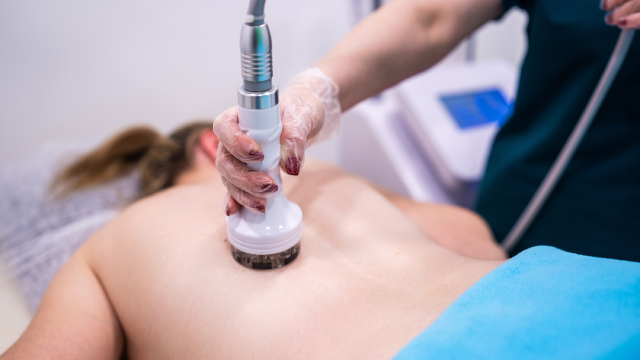
RF Endermologie
RF Endermologie, or radiofrequency endermologie, is a non-invasive body treatment that fuses two clinically established modalities into a single, integrated therapy session.
Learn More
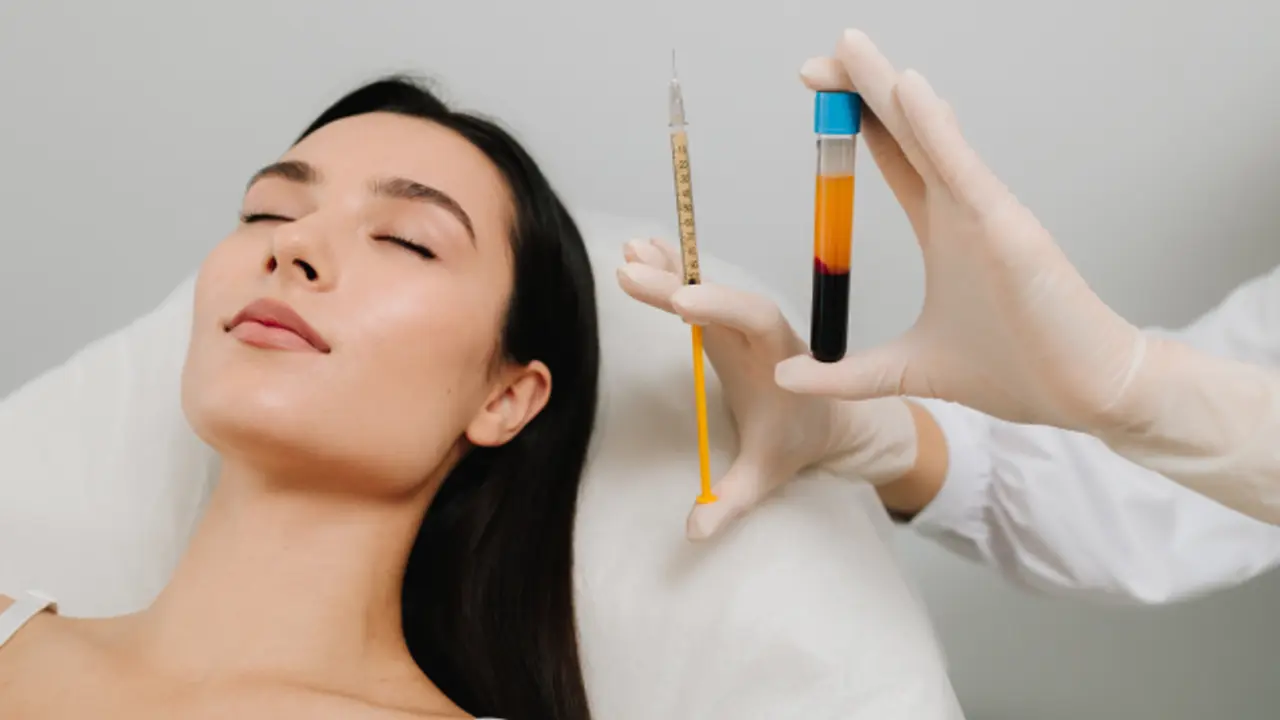
PRP Injection Therapy
Platelet-Rich Plasma (PRP) therapy is an autologous regenerative treatment — meaning it uses your own biological material to promote tissue healing.
Learn More