Personalized Medical Care & Dedicated International Patient Concierge


Regenerative Pain Medicine
Plasma Disc Decompression
Plasma disc decompression — also called nucleoplasty or intradiscal plasma therapy — is a minimally invasive interventional procedure designed to relieve pressure within a damaged or herniated intervertebral disc.
Schedule a Consultation!
What Is Plasma Disc Decompression?
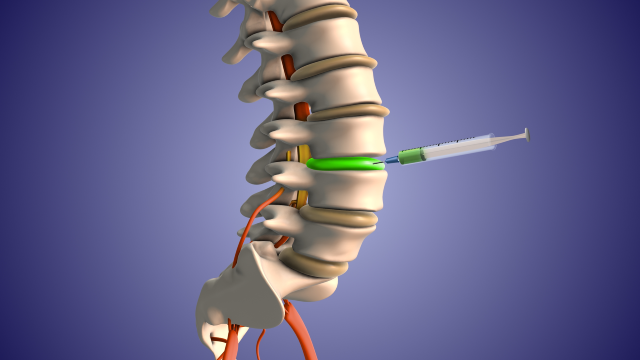
Plasma disc decompression — also called nucleoplasty or intradiscal plasma therapy — is a minimally invasive interventional procedure designed to relieve pressure within a damaged or herniated intervertebral disc. Unlike conventional open surgery, this technique uses a precisely guided plasma energy device to remove a small volume of disc tissue from within the nucleus pulposus, the gel-like center of the disc.
By reducing the internal volume and pressure of the disc, the procedure allows the disc wall to partially retract away from the compressed nerve root. This relieves the mechanical pressure causing radiating pain, numbness, or weakness — without the risks associated with general anesthesia or open surgical incisions.
At ST. MARY'S WELLNESS & PAIN MEDICINE CLINIC, plasma disc decompression is integrated within a comprehensive regenerative pain medicine model. The procedure is positioned not as a last resort, but as a precise, evidence-aligned intervention that can be combined with the clinic's broader anti-aging and cellular wellness framework — addressing the underlying biological environment of the spine, not just the immediate symptom.
Who Needs Plasma Disc Decompression Treatment?
Plasma disc decompression may be appropriate for patients whose disc-related pain has not responded adequately to conservative care, or for those who are seeking a targeted interventional option before committing to open surgery. The following patient profiles are typically evaluated for this procedure:
Adults aged 30 to 70 experiencing persistent cervical or lumbar disc pain that significantly limits daily activity or quality of life, and who have not achieved adequate relief through physical therapy, medications, or injections alone.
Patients with confirmed disc herniation on imaging (MRI or CT) who present with corresponding clinical symptoms such as radiculopathy — meaning arm or leg pain, tingling, or weakness originating from a compressed spinal nerve root.
Individuals with degenerative disc disease in the cervical or lumbar spine, where the disc has lost height and hydration over time, contributing to nerve compression and chronic pain.
Patients seeking to avoid or delay spinal surgery, particularly those who have been told they need discectomy or fusion but wish to explore a less invasive alternative first.
Those with chronic neck or back pain that has persisted beyond three to six months and is clearly disc-originating based on clinical and imaging assessment.
Patients managing neuropathic pain patterns, including burning, electric-type sensations, or positional pain that worsens with specific movements or postures.
Individuals with high professional or lifestyle demands who cannot accept the extended recovery time associated with open surgical procedures.
Patients with complex or high-difficulty disc presentations who require specialist-level interventional expertise for safe and effective treatment.
A thorough clinical evaluation, including review of imaging and symptom history, is required before any candidacy determination is made.
Meet the Specialist in Plasma Disc Decompression
!
Dr. Hyo-jo Han
Specialist in Anesthesiology and Pain Medicine
Dr. Hyo-jo Han Certified Advanced Pain Practitioner | Specialist in Anesthesiology and Pain Medicine USMLE Step 1 & Step 2 — Passed
Dr. Han brings a rare combination of formal anesthesiology training, advanced pain medicine specialization, and extensive hands-on procedural experience to every patient consultation. With over 3,000 cervical and lumbar neuroplasty cases performed and more than 1,000 high-difficulty plasma disc decompression procedures completed, Dr. Han operates at the upper tier of interventional spine care.
His clinical focus spans spinal disorders, chronic pain conditions, cancer pain management, and neuropathic pain — reflecting a depth of practice that extends well beyond routine pain management. Patients presenting with complex or previously treated disc conditions benefit directly from this level of procedural experience.
At ST. MARY'S WELLNESS & PAIN MEDICINE CLINIC, Dr. Han's approach aligns with a precision regenerative medicine philosophy: understanding each patient's biological and structural state before designing a tailored intervention pathway. The goal is not simply to reduce pain at the moment of treatment, but to restore functional capacity and support long-term spinal health within the body's own regenerative capacity.
Treatment Areas and Expected Improvements
Cervical Disc Decompression (Neck): Cervical disc herniation can compress nerve roots that travel into the shoulders, arms, and hands — producing pain, numbness, and weakness that can interfere with sleep, work, and basic movement. Plasma disc decompression at the cervical level targets the affected disc with precise energy delivery, reducing intradiscal pressure without disturbing surrounding structures. Patients may experience improvement in radiating arm pain, reduced neck stiffness, and restored range of motion. Outcomes vary based on the severity of disc involvement and individual healing capacity.
Lumbar Disc Decompression (Lower Back and Legs): Lumbar disc herniation is one of the most common causes of sciatica — radiating pain that travels from the lower back through the buttock and down one or both legs. By decompressing the nucleus of the affected disc at the lumbar level, the procedure aims to reduce the mechanical pressure on the sciatic or lumbar nerve roots. Patients may report improvement in leg pain, reduced back pain with prolonged sitting or standing, and improved ability to walk and engage in daily activities. As with all interventional procedures, individual response varies and cannot be guaranteed.
Degenerative Disc-Related Spinal Pain: In cases where disc degeneration — loss of disc height, hydration, and structural integrity — has led to chronic compression and pain, plasma decompression can reduce the symptomatic load on adjacent nerve structures. This is particularly relevant for patients who are not yet candidates for or interested in fusion surgery, but whose disc-related pain has plateaued with conservative management.
Radiculopathy and Neuropathic Pain: When disc material or disc pressure affects the nerve root directly, neuropathic symptoms such as burning, electric-shock sensations, or positional pain can develop. Plasma disc decompression addresses the structural source of this nerve irritation. Improvement in neuropathic pain patterns may develop gradually over the weeks following the procedure as nerve root inflammation resolves.
Treatment Process and Timeline
Step 1 — Initial Consultation and Clinical Assessment
Your journey begins with a comprehensive consultation with Dr. Han. During this visit, your full symptom history, functional limitations, and prior treatment attempts are reviewed. Existing imaging — MRI or CT — is carefully evaluated alongside your clinical presentation. The goal is to determine whether plasma disc decompression is the appropriate intervention, and if so, which level or levels require treatment.
Step 2 — Diagnostic Confirmation
Where additional diagnostic clarity is required, further imaging or diagnostic nerve block procedures may be recommended to precisely confirm the pain-generating disc level. This precision targeting is central to the clinic's philosophy of data-driven, individualized care — reflecting the same commitment to biological accuracy that guides the clinic's broader anti-aging and cellular wellness programs.
Step 3 — Pre-Procedure Preparation
Once candidacy is confirmed, you will receive clear pre-procedure instructions regarding medications, fasting requirements, and any preparatory care. The procedure is performed on an outpatient basis, meaning no overnight hospital admission is required for most patients.
Step 4 — The Plasma Disc Decompression Procedure
The procedure is performed under image guidance — typically fluoroscopy — to ensure precise needle and device placement within the target disc. Local anesthesia is applied to the skin and underlying tissue. A specialized plasma energy probe is advanced into the nucleus pulposus of the affected disc, where controlled plasma energy removes a small volume of disc material. This reduces internal disc pressure and allows partial retraction of the herniated segment away from the compressed nerve. The procedure typically takes approximately 30 to 60 minutes depending on the number of levels treated.
Step 5 — Immediate Aftercare
Following the procedure, you will be monitored briefly before discharge. Most patients are able to return home the same day. Some mild soreness or discomfort at the procedure site is expected in the initial days. Specific activity restrictions and rehabilitation guidance will be provided based on your individual case.
Step 6 — Follow-Up and Recovery Timeline
Clinical improvement from plasma disc decompression may begin within two to four weeks as inflammation settles and nerve root pressure is relieved. Progressive improvement can continue over one to three months. Follow-up appointments are scheduled to monitor your response, guide rehabilitation, and determine whether any complementary treatments — such as IV therapy, cellular wellness support, or physical rehabilitation — would further support your recovery.
Results, Safety, and Longevity
Plasma disc decompression is a minimally invasive procedure with a well-established safety profile when performed by an experienced interventional pain specialist. Because it does not involve general anesthesia, large incisions, or disruption of spinal musculature, the risk profile is substantially lower than open discectomy or spinal fusion.
As with any interventional procedure, potential side effects may include temporary soreness at the needle entry site, transient increase in symptoms during the initial recovery phase, or — in rare cases — infection or procedural complications. Dr. Han's extensive procedural experience, including over 1,000 high-difficulty plasma disc decompression cases, supports precise and safe execution of the technique, particularly in complex clinical presentations.
Results are individual. Not all patients achieve the same degree of symptom improvement, and the procedure is not appropriate for every disc condition. Patients with very severe disc degeneration, complete disc collapse, or significant spinal instability may require different management strategies. These factors are evaluated carefully during the consultation and diagnostic phase.
The longevity of results depends on multiple factors, including the degree of underlying disc degeneration, the patient's overall biological health, activity habits, and whether complementary regenerative support is pursued. At ST. MARY'S WELLNESS & PAIN MEDICINE CLINIC the integration of the clinic's broader anti-aging and cellular wellness programs — including IV therapy, antioxidant balance assessment, and mitochondrial support — provides a biologically coherent framework for maintaining the gains achieved through spinal intervention.
Why Choose ST. MARY'S WELLNESS & PAIN MEDICINE CLINIC for Plasma Disc Decompression?
ST. MARY'S WELLNESS & PAIN MEDICINE CLINIC occupies a distinctive position in regenerative pain care. It is one of the few clinical environments where advanced interventional spine procedures exist within a broader precision medicine framework — one that addresses not only the structural source of pain, but also the cellular and biological environment that influences recovery and long-term health.
Dr. Hyo-jo Han's credentials reflect a level of specialization rarely available outside major academic medical centers. Certified as an Advanced Pain Practitioner, trained in anesthesiology and pain medicine, and equipped with USMLE-level clinical validation, Dr. Han brings both the technical mastery and the diagnostic rigor required for high-difficulty intradiscal procedures. The clinic's record of over 1,000 plasma disc decompression cases — many in complex or previously treated patients — speaks to a genuine depth of procedural experience.
The clinic's philosophy is grounded in the understanding that pain and aging are biologically connected. Just as the clinic's CELLVIVE anti-aging program targets cellular regeneration through autologous regenerative factors, and HBOT supports mitochondrial energy and tissue oxygenation, the approach to disc decompression reflects the same precision: identify the exact source of dysfunction, intervene with a targeted and minimally disruptive technique, and support the body's own recovery environment. This is not a pain clinic that treats symptoms in isolation. It is a clinic that understands the spine as part of a larger biological system that can be supported, not merely managed.
Key differentiators include:
Over 1,000 high-difficulty plasma disc decompression cases performed by Dr. Han, alongside 3,000+ cervical and lumbar neuroplasty procedures — providing rare procedural depth.
Integration of interventional spine care within a precision regenerative medicine framework, allowing post-procedure cellular and metabolic support where appropriate.
Comprehensive one-stop clinical process from consultation through imaging review, procedure, and structured follow-up — minimizing unnecessary referrals and delays.
Suitability for international patients seeking specialist-level interventional care with English-language support and structured clinical pathways.
Patient Experiences
!
Patient A — Lumbar Herniation with Leg Pain
A professional in his mid-forties presented with a six-month history of left-sided sciatica following a lumbar disc herniation confirmed on MRI. Physical therapy and epidural steroid injections had provided only partial relief. Following plasma disc decompression at the L4-L5 level, he reported progressive reduction in leg pain over six weeks, with a meaningful improvement in his ability to walk and sit for extended periods. He returned to full work capacity within two months of the procedure.
Patient B — Cervical Disc Compression with Arm Symptoms
A woman in her late thirties presented with persistent right arm pain, tingling, and reduced grip strength traced to a cervical disc herniation at C5-C6. She had elected to avoid surgery but was not adequately managed on medications. After cervical plasma disc decompression under Dr. Han's guidance, she experienced gradual resolution of arm pain and improved hand sensation over a period of approximately eight weeks, with no significant procedural complications.
Patient C — Complex Multi-Level Presentation
An active man in his fifties with a history of prior conservative treatment presented with both cervical and lumbar disc-related pain and a complex clinical picture requiring careful pre-procedural diagnostic workup. Dr. Han's extensive experience with high-difficulty cases allowed for a tailored treatment plan that addressed the primary symptomatic levels. The patient reported meaningful functional improvement within three months and was subsequently enrolled in the clinic's cellular wellness program to support long-term recovery.
Take the Next Step Toward Spinal Relief
If chronic disc pain is limiting your life — and you are looking for a precise, minimally invasive solution backed by genuine specialist experience — ST. MARY'S WELLNESS & PAIN MEDICINE CLINIC is ready to help you understand your options clearly and honestly.
Book Your Consultation with Dr. Hyo-jo Han →
Dr. Han and the clinical team at ST. MARY'S WELLNESS & PAIN MEDICINE CLINIC will conduct a thorough review of your imaging, symptoms, and treatment history to determine whether plasma disc decompression is appropriate for your individual condition. We are committed to providing expert guidance, transparent information, and a care pathway designed around your specific biology and goals — not a one-size-fits-all protocol.
For international patients and those seeking specialist-level consultation, we welcome inquiries through our clinic contact channels. Our team will assist you in arranging your evaluation and coordinating any additional support you may need.
Contact Us to Schedule Your Assessment →
Plasma disc decompression is a medical procedure. Individual outcomes vary. All candidacy determinations are made following formal clinical evaluation. This page does not constitute medical advice.
Related Clinic Guides & Medical References
- Related Clinic Pages: Regenerative Pain Medicine · Dr. Hyo-jo Han (Pain Medicine Specialist) · 1:1 Consultation & Appointment Inquiry
- Clinical & Academic References: American Society of Regional Anesthesia and Pain Medicine (ASRA) · American Academy of Orthopaedic Surgeons (AAOS)
Other Services
Explore additional treatments offered by our specialists.

Wound Healing & Tissue Recovery
Wound healing is a complex biological process that depends heavily on oxygen.
Learn More
RF Endermologie
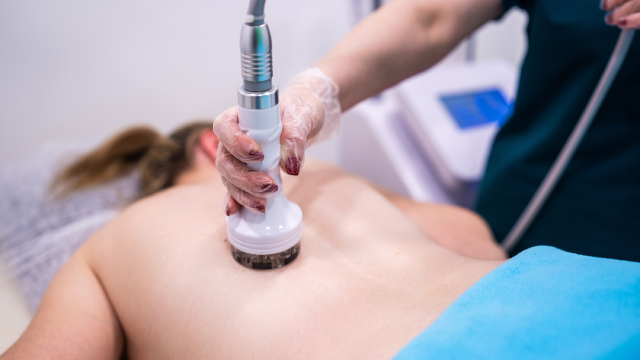
RF Endermologie, or radiofrequency endermologie, is a non-invasive body treatment that fuses two clinically established modalities into a single, integrated therapy session.
Learn More

PRP Injection Therapy
Platelet-Rich Plasma (PRP) therapy is an autologous regenerative treatment — meaning it uses your own biological material to promote tissue healing.
Learn More