Personalized Medical Care & Dedicated International Patient Concierge

Physical Therapy & Rehabilitation
Extracorporeal Shockwave Therapy (ESWT)
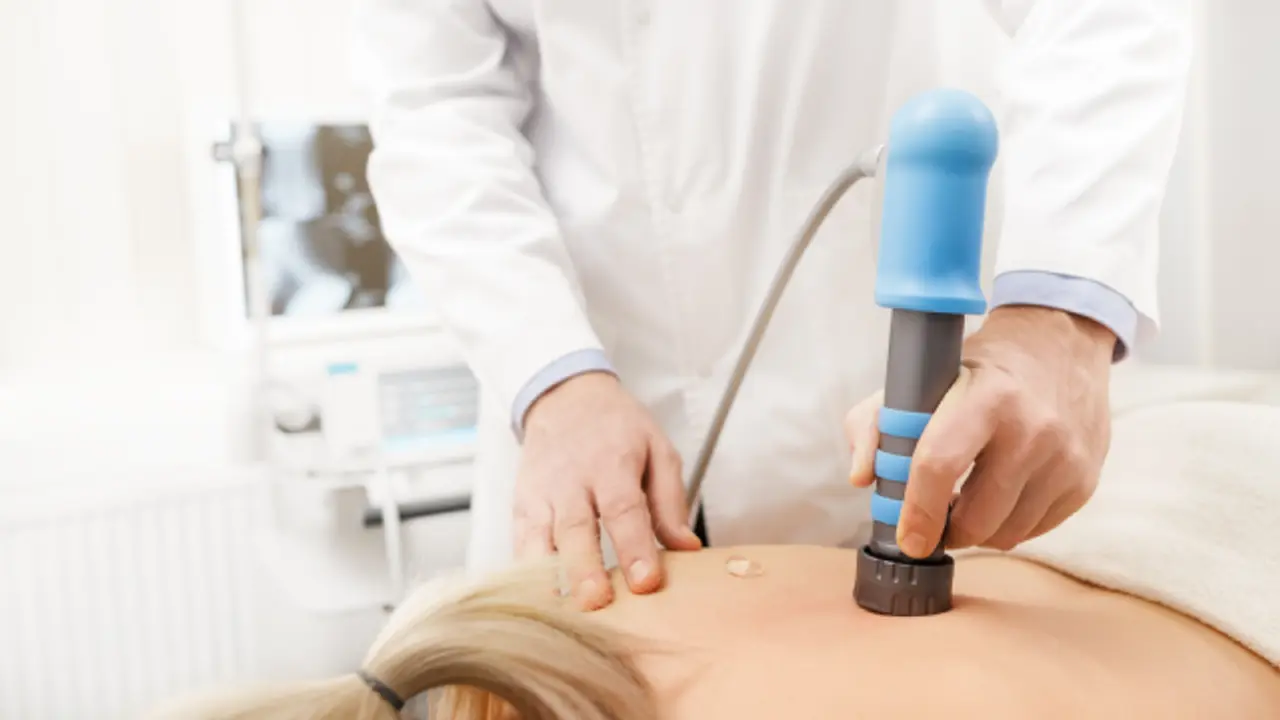
Extracorporeal Shockwave Therapy (ESWT) is a non-invasive, clinically established treatment that delivers precisely controlled acoustic pressure waves to damaged or chronically painful soft tissue.
Schedule a ConsultationExtracorporeal Shockwave Therapy (ESWT)
What Is Extracorporeal Shockwave Therapy?
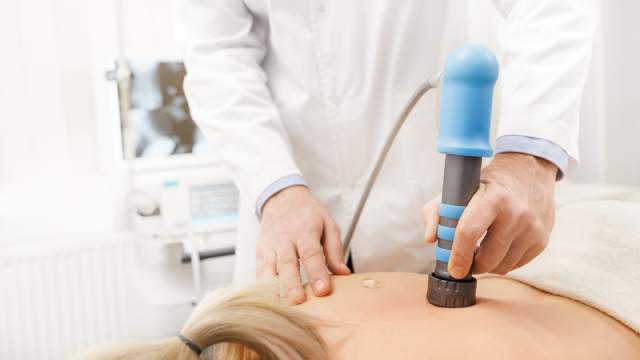
Extracorporeal Shockwave Therapy (ESWT) is a non-invasive, clinically established treatment that delivers precisely controlled acoustic pressure waves to damaged or chronically painful soft tissue. "Extracorporeal" simply means the energy is applied from outside the body — no incisions, no injections in most cases, no general anesthesia required.
When high-energy acoustic waves reach the target tissue, they trigger a cascade of biological responses: stimulating the formation of new blood vessels (neovascularization), promoting collagen synthesis, disrupting calcific deposits, and reactivating the body's natural tissue repair processes. In other words, shockwave therapy does not merely mask pain — it addresses the underlying tissue pathology that conventional treatments often fail to resolve.
At ST. MARY'S WELLNESS & PAIN MEDICINE CLINIC, ESWT is delivered as part of an integrated advanced pain management approach. It sits within our broader cellular and regenerative wellness model, which targets the four biological axes of aging and injury — damage accumulation, energy and mitochondrial function, regenerative capacity, and immune-inflammatory signaling. For patients whose chronic tendon or musculoskeletal pain has resisted conventional physical therapy or medication, ESWT offers a structured, evidence-supported pathway toward durable recovery.
Who Is a Candidate for ESWT Treatment?
ESWT is appropriate for a wide range of patients dealing with persistent soft tissue and tendon conditions. Ideal candidates typically include:
Adults experiencing chronic heel pain or plantar fasciitis lasting more than three months, unresponsive to stretching, orthotics, or anti-inflammatory medication
Patients with calcific tendinitis of the shoulder (rotator cuff), where calcium deposits cause recurring pain and restricted range of motion
Individuals diagnosed with Achilles tendinopathy — mid-portion or insertional — who have not achieved meaningful recovery through conservative rehabilitation
Athletes or active individuals with lateral epicondylitis (tennis elbow) or medial epicondylitis (golfer's elbow) affecting daily function and sports performance
Patients with patellar tendinopathy (jumper's knee), hip tendinopathy, or greater trochanteric pain syndrome
Those seeking to avoid or postpone surgical intervention for tendon-related conditions
Patients with chronic trigger point pain who have had limited benefit from manual therapy or dry needling
Anyone whose musculoskeletal pain has been present for more than 12 weeks and whose imaging or clinical assessment confirms tendinopathic or fascial pathology
Patients who are pregnant, have active infections at the treatment site, clotting disorders, or certain implanted devices may not be suitable for ESWT. A comprehensive consultation with Dr. Han is essential to confirm candidacy.
Meet the Specialist: Dr. Hyo-jo Han
!
Dr. Hyo-jo Han
Specialist in Anesthesiology and Pain Medicine
Dr. Hyo-jo Han Specialist in Anesthesiology and Pain Medicine Certified Advanced Pain Practitioner USMLE Step 1 & Step 2 — Passed
Dr. Han brings a depth of interventional expertise that is rare in outpatient pain and rehabilitation settings. With over 3,000 cervical and lumbar neuroplasty procedures performed and more than 1,000 high-difficulty plasma disc decompression cases to his credit, he approaches every patient with precision-focused clinical judgment. His background spans complex spinal disorders, cancer pain management, chronic pain conditions, and interventional pain medicine.
At ST. MARY'S WELLNESS & PAIN MEDICINE CLINIC, Dr. Han integrates ESWT within a precision regenerative model — one that accounts not only for the immediate musculoskeletal complaint but also for underlying systemic contributors to pain and impaired healing. Patients benefit from a specialist who understands the full biological context of why chronic pain persists and how to systematically address it.
The clinic's care philosophy is grounded in the same principle that underlies our broader anti-aging and cellular wellness programs: that the body's capacity for repair and regeneration can be restored and optimized with the right clinical tools, applied in the right sequence, for the right patient.
Conditions Treated and Expected Improvements

Plantar Fasciitis and Heel Spur Pain: Shockwave therapy delivers acoustic energy to the plantar fascia insertion point, stimulating vascular ingrowth and collagen remodeling in chronically degenerated tissue. Patients with long-standing heel pain — particularly those who have already tried orthotics, stretching, and cortisone injections — are among the most responsive ESWT candidates. Expected improvements include reduced morning pain, improved walking tolerance, and decreased tenderness on palpation. Individual results vary based on chronicity and prior treatment history.
Calcific Tendinitis of the Shoulder: Focused shockwave energy can mechanically disrupt calcium hydroxyapatite deposits within the rotator cuff tendons while simultaneously promoting the reabsorption of calcific material and tendon tissue remodeling. Patients typically experience a reduction in acute pain episodes and a gradual restoration of shoulder range of motion. Results depend on deposit size, density, and duration.
Achilles Tendinopathy: Chronic Achilles pain — especially mid-portion tendinopathy — is frequently associated with failed tendon healing and intratendinous degeneration rather than acute inflammation. ESWT restimulates the biological repair response by promoting neovascularization and collagen synthesis. Improvements in load tolerance, reduced pain during activity, and better functional outcomes in return-to-sport timelines are commonly reported. Insertional Achilles tendinopathy requires careful protocol adjustment.
Tennis Elbow (Lateral Epicondylitis): Radial shockwave therapy applied to the common extensor tendon origin has demonstrated benefit for patients with chronic lateral elbow pain, particularly in those who have had limited response to physiotherapy alone. Expected improvements include reduced grip-related pain, better tolerance for repetitive upper limb activity, and improved function during daily tasks or sport. Recovery timelines vary with disease chronicity.
Patellar and Knee Tendinopathy: Shockwave therapy targeting the patellar tendon can support healing in patients with jumper's knee or diffuse knee tendon pain. Acoustic waves promote collagen reorganization in disordered tendon fibers and facilitate the restoration of load-bearing capacity. Patients are counseled that rehabilitation exercise must accompany ESWT for optimal outcomes.
Hip Pain and Greater Trochanteric Pain Syndrome: ESWT applied to the gluteal tendon insertions and trochanteric bursa region can support recovery in patients experiencing lateral hip pain. This condition is frequently misdiagnosed or undertreated. Shockwave therapy offers a non-surgical option for patients seeking improvement in walking distance, sitting tolerance, and sleep-related pain.
Chronic Trigger Points and Myofascial Pain: Radial shockwave can be applied to active myofascial trigger points — taut bands within muscle tissue associated with referred pain patterns. By delivering mechanical stimulation to the affected region, ESWT may reduce trigger point sensitivity and improve local circulation, contributing to pain relief and improved muscle function.
The ESWT Treatment Process at ST. MARY'S WELLNESS & PAIN MEDICINE CLINIC
Step 1 — Specialist Consultation
Your care begins with a detailed consultation with Dr. Han. He will review your pain history, prior treatments, imaging reports, and functional limitations. This is not a brief intake — it is a clinical assessment designed to determine whether ESWT is the most appropriate intervention, whether it should be combined with other modalities, and what specific protocol will be used.
Step 2 — Diagnostic Assessment
Where indicated, physical examination findings are combined with available imaging (ultrasound or MRI) to map the exact anatomical target. This precision is central to the clinic's approach: treatment is not applied generically but is targeted to the specific tissue pathology identified for each patient.
Step 3 — Treatment Preparation
The treatment area is marked, and coupling gel is applied to the skin to ensure optimal acoustic transmission. No anesthesia is typically required, though the procedure involves a sensation that patients describe as rhythmic pressure or mild discomfort — particularly over the most inflamed regions.
Step 4 — ESWT Procedure
The shockwave applicator is positioned at the target site. Depending on the condition and protocol, either radial (diverging waves for broader tissue coverage) or focused (converging waves for deeper, precise targeting) shockwave energy is applied. A standard session lasts approximately 15 to 20 minutes. Most treatment programs involve three to five sessions, spaced one week apart. Dr. Han determines the appropriate energy settings, pulse count, and frequency based on clinical assessment.
Step 5 — Post-Treatment Guidance
Following each session, patients receive specific guidance on activity modification, loading, and rehabilitation exercises appropriate to their condition. It is normal to experience temporary soreness in the treated area for 24 to 48 hours post-treatment. Patients are generally advised to avoid high-impact loading or anti-inflammatory medications in the immediate post-treatment window, as a degree of controlled inflammation is part of the intended healing response.
Step 6 — Follow-Up and Response Monitoring
Progress is reviewed at regular intervals. Response to ESWT is assessed through functional outcomes and symptom tracking. Additional sessions or complementary treatments — such as IV-based regenerative therapy or cellular wellness support available at the clinic — may be recommended where appropriate to optimize and sustain recovery.
Results, Safety, and What to Realistically Expect
ESWT has been investigated across a substantial body of clinical literature for conditions including plantar fasciitis, calcific shoulder tendinitis, and Achilles tendinopathy. Individual outcomes depend on factors including diagnosis, chronicity, patient health status, and adherence to the rehabilitation program.
Most patients undergoing a full ESWT course report improvement in pain levels and functional capacity over a four-to-twelve-week period following completion of treatment. Some patients experience a temporary increase in soreness during or immediately after the early treatment sessions, which typically resolves. This is a recognized feature of the tissue remodeling process.
From a safety standpoint, ESWT is a well-tolerated, non-surgical procedure with a favorable profile when applied by a qualified specialist. Temporary redness, mild bruising, or localized swelling at the treatment site may occur. Serious adverse events are uncommon. Dr. Han's interventional training ensures that treatment protocols are applied with precision and adjusted based on clinical response.
ESWT does not guarantee resolution of all chronic tendon conditions. It is not a substitute for concurrent rehabilitation and appropriate load management. Patients with advanced structural pathology or systemic contributors to impaired healing may require a more comprehensive treatment plan — which Dr. Han is well positioned to design within the clinic's integrated model of care.
Why Choose ST. MARY'S WELLNESS & PAIN MEDICINE CLINIC for Shockwave Therapy?
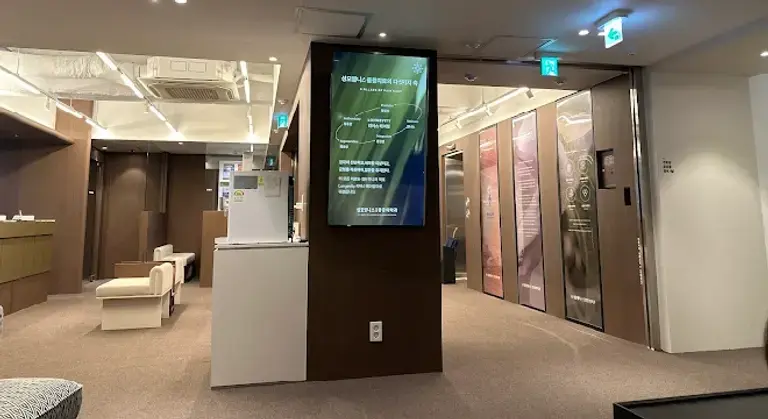
ST. MARY'S WELLNESS & PAIN MEDICINE CLINIC occupies a distinct position at the intersection of advanced interventional pain management and evidence-based regenerative wellness. Patients seeking ESWT here are not receiving a standalone procedure in an isolated setting — they are accessing care within a precision medicine framework designed to address the biological foundations of pain and impaired healing.
Dr. Han's clinical background is unusually comprehensive for an outpatient setting. His 3,000+ neuroplasty cases and extensive interventional pain portfolio mean that patients with complex or long-standing musculoskeletal conditions are assessed with a level of diagnostic sophistication rarely available outside hospital-affiliated pain centers. ESWT is selected, calibrated, and monitored by a specialist who understands tissue pathology at a level that translates directly into better-targeted treatment.
The clinic's broader philosophy — anchored in its Precision Regenerative Model addressing damage accumulation, mitochondrial health, stem cell regenerative capacity, and immune-inflammatory balance — means that patients who need more than shockwave therapy alone have access to a full spectrum of supportive interventions. These include cellular anti-aging IV therapy, hyperbaric oxygen therapy (HBOT), and energy-based physical therapy modalities, all coordinated under one roof. For international patients seeking premium outpatient pain and wellness care, the clinic's integrated offering provides both clinical depth and exceptional convenience.
Key differentiators:
Specialist-led ESWT by a Certified Advanced Pain Practitioner with deep interventional experience
Integrated access to regenerative wellness programs including HBOT, IV therapy, and cellular anti-aging care
Precision diagnostic approach — treatment is targeted, not generic
One-stop clinical model: consultation, assessment, treatment, and follow-up managed cohesively
Bilingual clinical environment suitable for domestic and international patients
Patient Experiences
Case A — Chronic Heel Pain, Female, Mid-40s
A patient in her mid-40s presented with two years of bilateral heel pain following a period of increased walking activity. Despite orthotics, physiotherapy, and two cortisone injections, she reported persistent morning pain that limited her daily mobility. Following assessment by Dr. Han and a five-session radial ESWT protocol targeting the plantar fascia, she reported meaningful reduction in first-step pain and improved tolerance for prolonged standing within eight weeks of completing treatment. [Suggested image: close-up of foot and heel, clinical setting]
Case B — Calcific Shoulder Tendinitis, Male, Early 50s
A male patient presented with an 18-month history of right shoulder pain with visible calcium deposits confirmed on X-ray. He had avoided surgery but experienced increasing functional limitation. A focused shockwave protocol was designed targeting the supraspinatus tendon. By the fourth session he noted reduced acute pain episodes, and follow-up imaging at three months showed partial resorption of the calcific deposit. [Suggested image: shoulder anatomy or shockwave applicator on shoulder]
Case C — Achilles Tendinopathy, Active Male, Late 30s
A recreational runner developed mid-portion Achilles pain after increasing his training volume. Conservative rest and physiotherapy provided only partial relief. Dr. Han recommended a combined approach: ESWT for the tendon, combined with an IV mitochondrial support protocol to address systemic recovery capacity. The patient returned to full training loads within 12 weeks. [Suggested image: lower leg anatomy or running athlete in clinical context]
Take the First Step Toward Recovery
Chronic tendon pain does not have to define your movement, your work, or your quality of life. At ST. MARY'S WELLNESS & PAIN MEDICINE CLINIC, Dr. Hyo-jo Han and his team are ready to assess your condition with the clinical precision it deserves — and to build a treatment plan that addresses not just your symptoms, but the tissue-level reasons your pain has persisted.
Book Your ESWT Consultation Today
Contact our clinic to schedule a one-on-one consultation with Dr. Han. During your appointment, you will receive a thorough clinical assessment, a clear explanation of whether ESWT is appropriate for your condition, and a personalized treatment roadmap. You are not committing to a procedure — you are beginning an informed conversation about your recovery.
For patients traveling internationally, our team can assist with scheduling, preparation, and coordinating a multi-modality care plan during your visit.
Contact ST. MARY'S WELLNESS & PAIN MEDICINE CLINIC Specialist: Dr. Hyo-jo Han — Certified Advanced Pain Practitioner
Related Clinic Guides & Medical References
- Related Clinic Pages: Physical Therapy & Rehabilitation · Dr. Hyo-jo Han (Pain Medicine Specialist) · 1:1 Consultation & Appointment Inquiry
- Clinical & Academic References: World Physiotherapy · APTA ChoosePT Rehabilitation Guide
Other Services
Explore additional treatments offered by our specialists.
Wound Healing & Tissue Recovery
Wound healing is a complex biological process that depends heavily on oxygen.
Learn More
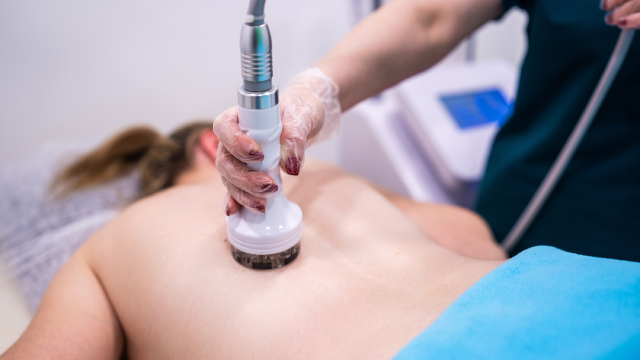
RF Endermologie
RF Endermologie, or radiofrequency endermologie, is a non-invasive body treatment that fuses two clinically established modalities into a single, integrated therapy session.
Learn More
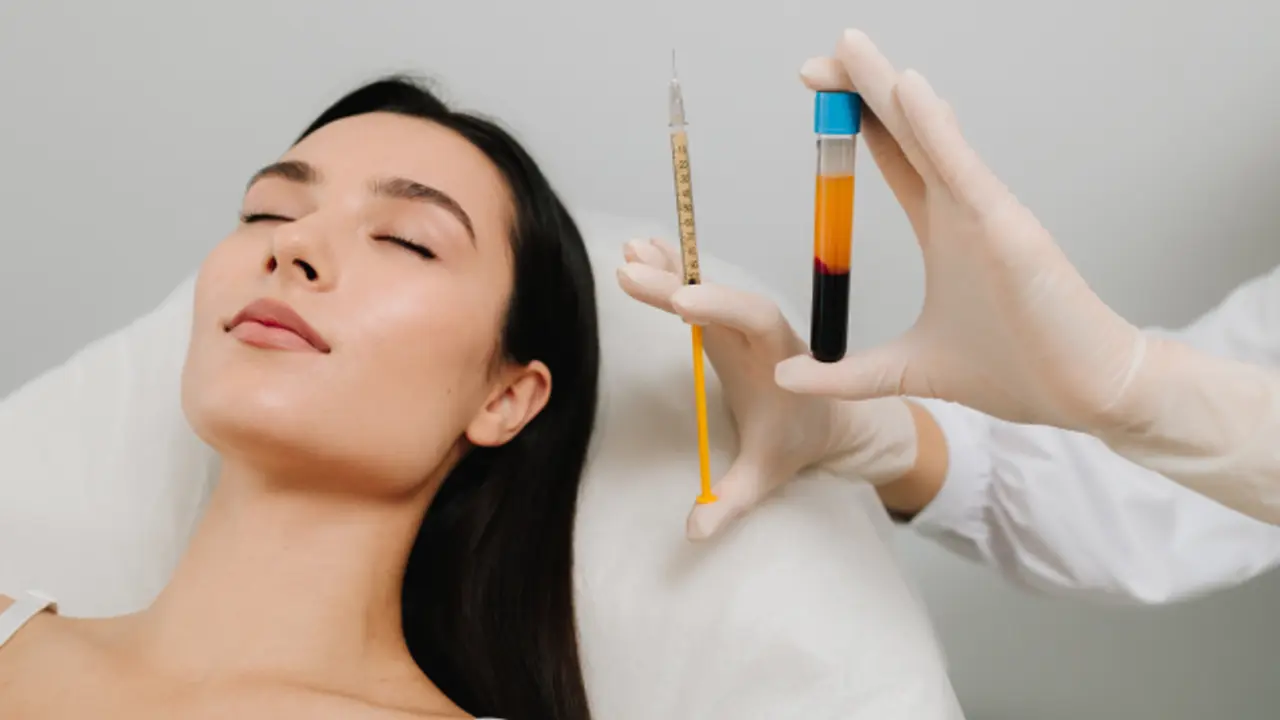
PRP Injection Therapy
Platelet-Rich Plasma (PRP) therapy is an autologous regenerative treatment — meaning it uses your own biological material to promote tissue healing.
Learn More