Personalized Medical Care & Dedicated International Patient Concierge


Physical Therapy & Rehabilitation
Manual Therapy & Rehabilitation
Manual therapy is a clinician-directed, hands-on form of physical treatment applied directly to muscles, joints, and soft tissues to reduce pain, restore mobility, and correct dysfunction.
Schedule a Consultation!
What Is Manual Therapy and Rehabilitation?
Manual therapy is a clinician-directed, hands-on form of physical treatment applied directly to muscles, joints, and soft tissues to reduce pain, restore mobility, and correct dysfunction. Unlike passive modalities that work on the body from a distance, manual therapy involves precise, purposeful contact — mobilizing restricted joints, releasing overactive muscle tissue, and retraining movement patterns at their source.
At ST. MARY'S WELLNESS & PAIN MEDICINE CLINIC, manual therapy and rehabilitation is not offered in isolation. It is woven into a broader precision regenerative model that simultaneously addresses the cellular, metabolic, and neurological dimensions of pain and aging. This means your musculoskeletal recovery is supported not just by expert hands, but by a fully integrated clinical environment designed to accelerate healing from multiple biological angles.
Manual rehabilitation at this clinic includes joint mobilization, spinal manipulation, soft tissue mobilization, myofascial release, trigger point therapy, cervical and lumbar manual treatment, postural correction, and passive range of motion therapy — each applied according to your individual clinical presentation and recovery goals.
Who Benefits from Manual Therapy and Rehabilitation?
Manual therapy is appropriate for a wide range of patients presenting with acute, subacute, or chronic musculoskeletal and spinal complaints. You may benefit from this approach if you are experiencing:
Cervical and neck pain — including stiffness, restricted rotation, and radiating discomfort into the shoulders or arms
Lumbar and lower back pain — whether acute onset or longstanding, with or without nerve involvement
Joint stiffness and restricted range of motion — in the spine, hips, shoulders, or peripheral joints
Postural imbalance and compensatory pain patterns — from prolonged desk work, repetitive activity, or prior injury
Myofascial tension and trigger points — localized bands of muscle tightness that refer pain to adjacent areas
Sports-related soft tissue injuries — strains, sprains, and overuse conditions requiring structured hands-on rehabilitation
Post-procedural recovery — rehabilitation following interventional pain procedures, including neuroplasty or plasma disc decompression
Chronic musculoskeletal pain — conditions that have not responded adequately to rest or passive treatment alone
Spinal disorders — including disc-related pathology, facet joint dysfunction, and spondylogenic pain syndromes
Patients who have already undergone interventional procedures at the clinic, such as cervical or lumbar neuroplasty, often continue with manual rehabilitation as part of their structured recovery pathway to consolidate and extend clinical gains.
Meet the Specialist: Dr. Hyo-jo Han
!
Dr. Hyo-jo Han
Specialist in Anesthesiology and Pain Medicine
Dr. Hyo-jo Han Specialist in Anesthesiology and Pain Medicine | Certified Advanced Pain Practitioner | USMLE Step 1 & Step 2 — Passed
Dr. Han brings a rare combination of interventional expertise and integrative clinical thinking to every patient encounter. With over 3,000 cervical and lumbar neuroplasty cases and more than 1,000 high-difficulty plasma disc decompression procedures to his experience, Dr. Han operates at the advanced end of pain medicine — addressing the structural, neurological, and cellular foundations of musculoskeletal dysfunction.
His background in anesthesiology and pain medicine means that when manual rehabilitation is prescribed, it is calibrated to the patient's full clinical picture: not only the presenting physical complaint, but also the underlying pain pathways, tissue condition, and recovery environment. For patients dealing with cancer pain, spinal disorders, or complex chronic pain conditions, this level of integration between rehabilitation and interventional care is clinically significant.
The philosophy guiding care at ST. MARY'S WELLNESS & PAIN MEDICINE CLINIC is one of precision regenerative medicine — treating not only the symptom, but the biological system producing it. Manual therapy, within this model, is one instrument in a carefully orchestrated clinical response.
Treatment Areas and Expected Improvements

Cervical Spine and Neck: Manual cervical therapy targets restricted facet joints, compressed cervical discs, and hypertonic cervical musculature. Mobilization and manipulation techniques are applied to restore natural range of motion, reduce nerve irritation, and alleviate referred pain patterns extending into the head, shoulders, or upper limbs. Patients commonly report reduced stiffness, improved head rotation, and decreased frequency of tension-related headaches. Individual results vary based on the degree of structural involvement and duration of symptoms.
Lumbar Spine and Lower Back: Lumbar manual therapy addresses disc-related pain, facet joint dysfunction, sacroiliac joint restriction, and lumbar muscle tightness. Specific mobilization grades are selected based on tissue irritability and functional findings. Spinal manipulation, when appropriate, can help restore segmental mobility and interrupt pain-generating mechanical cycles. Improvement in seated tolerance, walking endurance, and postural control is commonly observed over a structured treatment course.
Soft Tissue, Fascia, and Trigger Points: Myofascial release and trigger point therapy work directly on dysfunctional muscle tissue — areas of sustained contraction or adhesion that restrict movement and generate referred pain. These techniques are particularly relevant for patients with chronic pain syndromes, where central sensitization and peripheral tissue changes interact. Systematic soft tissue work can reduce local pain sensitivity, improve tissue extensibility, and support the effectiveness of adjacent joint-level interventions.
Postural Correction and Movement Re-education: Poor postural habits, sedentary work demands, and prior injury all contribute to patterns of muscular imbalance and joint loading that perpetuate pain. Postural correction within manual rehabilitation identifies these patterns and uses targeted manual cues, passive mobilization, and structured movement guidance to begin resetting them. Improvement in postural awareness and load distribution develops progressively and supports long-term musculoskeletal resilience.
Post-Procedure Rehabilitation: For patients who have undergone interventional procedures — including cervical neuroplasty, lumbar neuroplasty, or plasma disc decompression — manual rehabilitation provides structured tissue recovery support. Manual techniques are used to manage post-procedural stiffness, encourage normal movement patterns, and prevent compensatory muscle guarding from becoming habitual. This integrated approach helps consolidate the clinical benefit achieved through the interventional procedure itself.
Treatment Process and Timeline
1. Initial Consultation and Clinical Assessment: Your first appointment begins with a thorough clinical interview conducted by Dr. Han, covering symptom history, prior treatments, imaging findings if available, and current functional limitations. This is not a generic intake — it is a diagnostic conversation designed to understand your pain from multiple clinical angles.
2. Physical and Functional Examination: A hands-on physical examination assesses joint mobility, muscle tone and length, postural alignment, neurological signs if indicated, and movement quality. This examination informs the specific manual techniques and rehabilitation approach that will be applied.
3. Individualized Treatment Plan: Based on consultation and examination, a structured manual therapy and rehabilitation plan is developed. This plan specifies the techniques to be used, the anticipated treatment frequency, and how manual therapy integrates with any other services being provided at the clinic — such as IV therapy, regenerative wellness protocols, or post-interventional care.
4. Manual Therapy Sessions: Sessions involve direct, skilled application of joint mobilization, spinal manipulation, soft tissue mobilization, myofascial release, trigger point techniques, or passive range of motion work — depending on your individual presentation. Techniques are adapted in real time based on tissue response and patient feedback.
5. Rehabilitation and Movement Integration: As manual work restores tissue and joint function, guided movement and postural correction exercises are introduced to reinforce the gains achieved. This phase teaches the body to maintain the improvements made during treatment, reducing the likelihood of recurrence.
6. Progress Review and Ongoing Adjustment: Clinical progress is reviewed at defined intervals. Treatment goals are reassessed, techniques are adjusted, and the plan is updated to reflect your evolving condition. Discharge criteria and any ongoing maintenance recommendations are communicated clearly.
Most patients begin to notice meaningful improvement within the first three to six sessions, though timeline varies with the complexity and chronicity of the condition. Patients undergoing concurrent interventional or regenerative treatments at the clinic may experience a different and often accelerated recovery trajectory.
Results, Safety, and Clinical Expectations
Manual therapy, when applied by a trained specialist, carries a well-established safety profile for appropriate candidates. At ST. MARY'S WELLNESS & PAIN MEDICINE CLINIC, all manual techniques are selected and applied by or under the direct supervision of Dr. Han, whose interventional and anesthesiology background informs a high level of precision in assessing tissue readiness and procedural risk.
Common side effects following manual therapy sessions can include temporary local soreness or mild stiffness lasting one to two days — a normal physiological response to tissue mobilization. Serious adverse events associated with properly performed manual therapy are uncommon. Patients with specific contraindications such as acute fracture, severe osteoporosis, active inflammatory joint disease, or vascular compromise are identified during the clinical assessment phase and managed accordingly.
Outcomes from manual therapy are influenced by the nature of the condition, the patient's baseline tissue health, adherence to the treatment plan, and the presence or absence of contributing lifestyle or ergonomic factors. No specific outcome can be guaranteed. What can be offered is a clinically reasoned, individually calibrated approach delivered within an environment uniquely positioned to support musculoskeletal recovery at both the structural and cellular level.
The clinic's broader regenerative model — including options such as CELLVIVE cellular anti-aging therapy, hyperbaric oxygen treatment (HBOT), and IV longevity protocols — addresses the systemic biological environment in which healing occurs. Patients with chronic pain or age-related tissue degeneration may find that these complementary programs support and extend the results of manual rehabilitation by addressing underlying cellular energy, inflammation, and tissue regeneration capacity.
Why Choose ST. MARY'S WELLNESS & PAIN MEDICINE CLINIC for Manual Therapy and Rehabilitation?
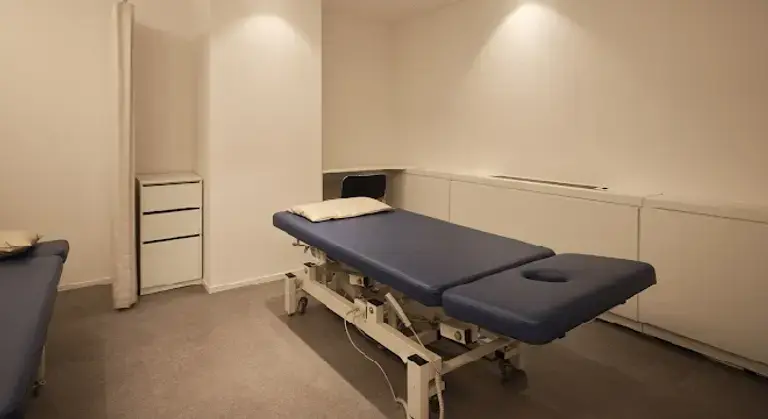
ST. MARY'S WELLNESS & PAIN MEDICINE CLINIC occupies a distinctive position in the landscape of pain and rehabilitation care. It is not a standard physical therapy clinic, nor exclusively an interventional pain practice. It is a precision integrative wellness environment in which manual therapy sits alongside advanced interventional procedures, cellular regenerative protocols, and data-driven anti-aging medicine.
This means a patient presenting with chronic lumbar pain here does not receive a standardized exercise protocol and weekly manual sessions in isolation. They receive a clinically informed evaluation that considers the neurological, metabolic, cellular, and structural dimensions of their condition — and a treatment plan that draws from the full depth of the clinic's capabilities accordingly.
Dr. Han's credentials and procedural volume — including 3,000+ neuroplasty cases and 1,000+ complex plasma disc decompression procedures — reflect a level of spinal and pain medicine expertise that directly informs how manual therapy is applied, sequenced, and integrated with other interventions. Patients with histories that include interventional procedures, cancer pain management, or complex spinal disorders are treated with the clinical nuance these conditions require.
Key differentiators include:
Specialist-led manual rehabilitation directly overseen by Dr. Hyo-jo Han, Certified Advanced Pain Practitioner and Anesthesiology and Pain Medicine Specialist
Precision regenerative integration — manual therapy delivered within a clinical framework that includes HBOT, IV cellular nutrition, CELLVIVE anti-aging therapy, and metabolic optimization
Individualized, data-informed treatment planning — no generic protocols; each plan is built from clinical examination and the patient's specific biological and structural profile
Seamless post-procedure rehabilitation — structured manual recovery support for patients following interventional pain procedures performed at the same clinic
Patient Experiences
Patient A — Chronic Cervical Pain with Referred Symptoms
A patient in their late 40s presented with five years of neck pain accompanied by recurring headaches and intermittent tingling into the right hand. Following assessment by Dr. Han, a combination of cervical joint mobilization, myofascial release targeting the upper trapezius and suboccipital musculature, and postural correction work was initiated. Over eight sessions, the patient reported significant reduction in headache frequency and improved cervical rotation.
Patient B — Post-Neuroplasty Lumbar Rehabilitation
A patient in their early 60s underwent lumbar neuroplasty for long-standing disc-related radiculopathy. Manual rehabilitation was integrated into the post-procedure recovery plan, focusing on reducing lumbar muscle guarding and restoring functional movement patterns. The patient progressed to walking without analgesic support within four weeks of the combined interventional and rehabilitation approach.
Patient C — Sports-Related Soft Tissue Injury
An active patient in their mid-30s presented with recurrent hip flexor tightness and lower back stiffness following high-intensity training. Trigger point therapy and myofascial release were applied to the iliopsoas and lumbar paraspinals. Postural and movement correction was introduced in later sessions. The patient returned to full training activity with improved movement efficiency and reduced recurrence.
Begin Your Rehabilitation Journey at ST. MARY'S WELLNESS & PAIN MEDICINE CLINIC
Precision care for pain, movement, and recovery — starting with the right clinical conversation.
If you are managing chronic musculoskeletal pain, recovering from a spinal procedure, or seeking a rehabilitation approach that addresses the full complexity of your condition, ST. MARY'S WELLNESS & PAIN MEDICINE CLINIC offers the clinical expertise and integrative environment to support meaningful, lasting recovery. Dr. Hyo-jo Han and the clinic team are ready to assess your specific situation and build a treatment plan tailored to your needs — not a template.
Manual therapy and rehabilitation at this clinic is offered as part of a broader precision regenerative care model. Whether you are beginning treatment for the first time or continuing recovery following interventional procedures, your pathway here is guided by genuine clinical expertise and a commitment to outcomes that extend beyond temporary relief.
[Book Your Consultation with Dr. Han →]
For inquiries about treatment options, international patient services, or to request clinical information, please contact the clinic directly. Our team is available to assist with scheduling and to answer your questions before your first appointment.
Related Clinic Guides & Medical References
- Related Clinic Pages: Physical Therapy & Rehabilitation · Dr. Hyo-jo Han (Pain Medicine Specialist) · 1:1 Consultation & Appointment Inquiry
- Clinical & Academic References: World Physiotherapy · APTA ChoosePT Rehabilitation Guide
Other Services
Explore additional treatments offered by our specialists.
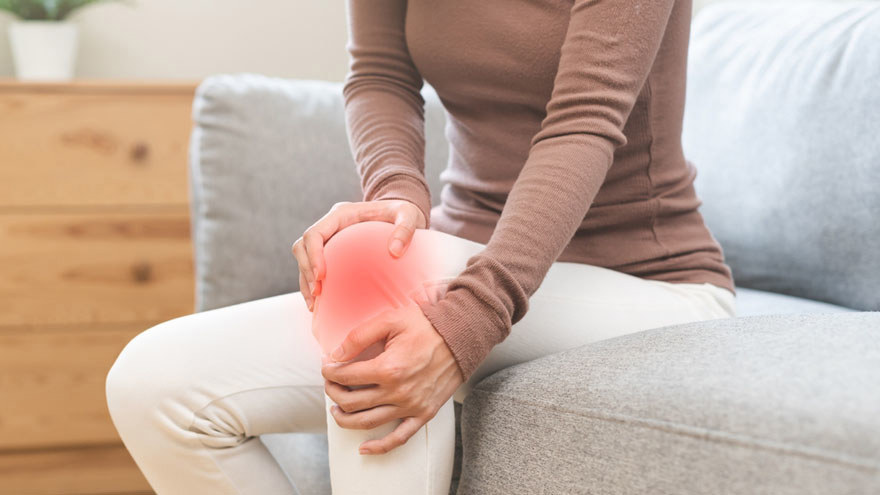
Wound Healing & Tissue Recovery
Wound healing is a complex biological process that depends heavily on oxygen.
Learn More
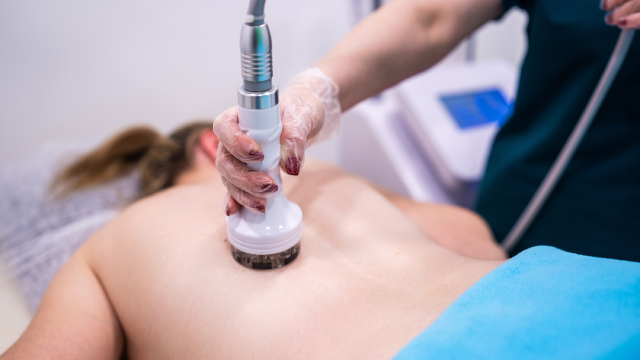
RF Endermologie
RF Endermologie, or radiofrequency endermologie, is a non-invasive body treatment that fuses two clinically established modalities into a single, integrated therapy session.
Learn More
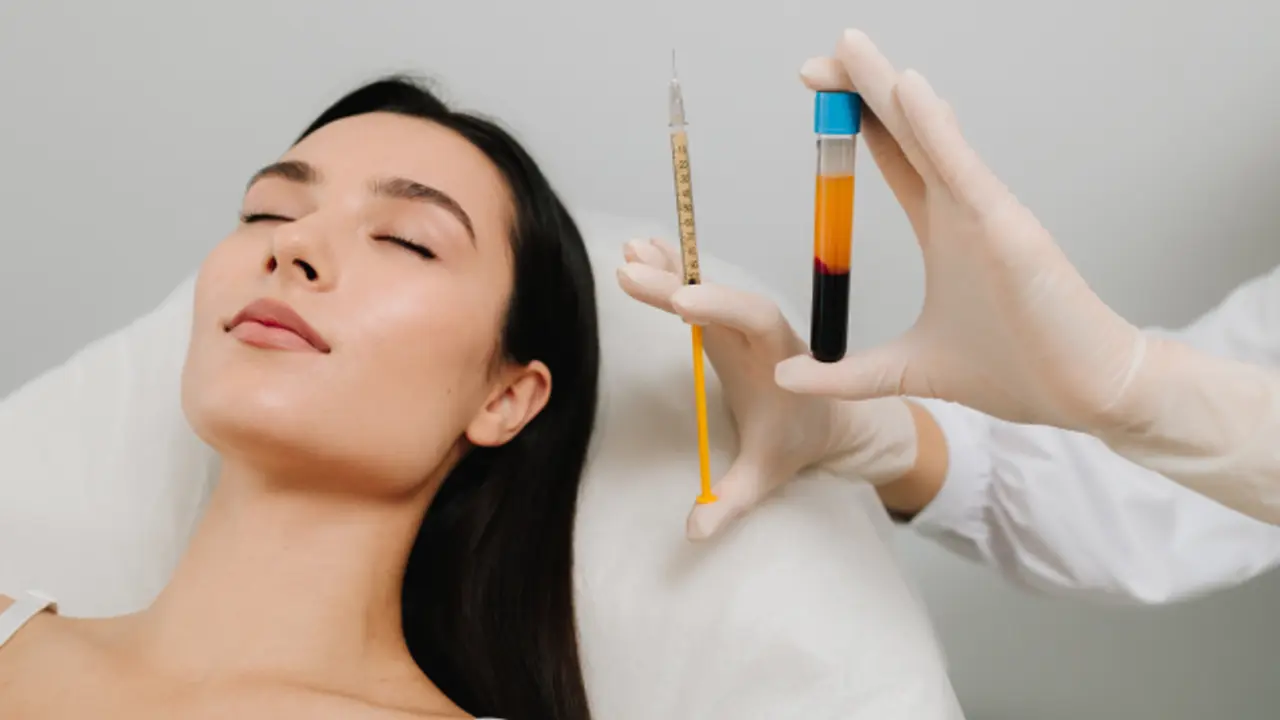
PRP Injection Therapy
Platelet-Rich Plasma (PRP) therapy is an autologous regenerative treatment — meaning it uses your own biological material to promote tissue healing.
Learn More