Personalized Medical Care & Dedicated International Patient Concierge


Physical Therapy & Rehabilitation
Muscle Function Restoration
Muscle function restoration refers to a systematic clinical process of re-establishing the neuromuscular control, strength, endurance, and coordinated movement patterns that have been lost or diminished due to injury, disease, disuse, or aging.
Schedule a ConsultationMuscle Function Restoration

What Is Muscle Function Restoration in Physical Therapy & Rehabilitation?
Muscle function restoration refers to a systematic clinical process of re-establishing the neuromuscular control, strength, endurance, and coordinated movement patterns that have been lost or diminished due to injury, disease, disuse, or aging.
It goes beyond simple exercise. True muscle function restoration works at the level of the motor unit — the connection between the nervous system and the muscle fiber. When this connection is disrupted by pain, immobilization, inflammation, or neural damage, muscles cannot fire effectively even if they are anatomically intact. Rehabilitation must therefore address both the muscular and neurological dimensions of function.
At ST. MARY'S WELLNESS & PAIN MEDICINE CLINIC, this process integrates physical rehabilitation techniques with advanced regenerative and energy-based therapies. Our approach is informed by a thorough understanding of how pain, spinal conditions, chronic inflammation, and cellular aging all contribute to persistent muscle dysfunction. By treating these underlying factors — not just the symptomatic weakness — we work toward lasting restoration of functional capacity.
This is particularly meaningful for patients whose muscle problems are intertwined with spinal disorders, post-procedural recovery, or chronic pain conditions — areas where our clinical team holds deep specialized expertise.
Who Needs Muscle Function Restoration Treatment?
Muscle dysfunction is far more common than most people realize — and it often goes unaddressed because the focus remains on managing pain rather than restoring the musculature that supports long-term recovery and movement health.
You may benefit from a muscle function restoration program if you experience any of the following:
Post-surgical muscle loss: Recovery from orthopedic surgery, spinal procedures, or prolonged immobilization often leaves muscles significantly weakened and requiring structured reactivation.
Post-injury deconditioning: Sprains, strains, fractures, and sports injuries can lead to compensatory movement patterns and focal muscle inhibition that persist long after the initial injury heals.
Chronic pain-associated muscle inhibition: Persistent pain from spinal disorders, disc disease, or joint dysfunction frequently causes the nervous system to suppress activation of the muscles surrounding the affected area, accelerating weakness and imbalance.
Neurological or spinal-related motor deficits: Conditions affecting the cervical or lumbar spine can impair nerve conduction to the muscles, resulting in weakness, atrophy, and impaired coordination.
Age-related muscle decline (sarcopenia): From the fourth decade onward, muscle mass and neuromuscular efficiency decline progressively. This process accelerates with inactivity and can substantially reduce quality of life and independence.
Muscle imbalance and postural dysfunction: Asymmetrical strength patterns cause compensatory strain, joint stress, and cumulative damage. Restoring balanced neuromuscular function is essential for sustainable recovery.
Stroke or neurological rehabilitation: Patients recovering from stroke or other neurological events require specialized motor re-education to rebuild voluntary movement pathways.
Athletes seeking performance recovery: Competitive and recreational athletes managing post-injury return-to-sport or addressing performance-limiting muscle dysfunction benefit from targeted neuromuscular rehabilitation.
Meet the Specialist in Advanced Pain Management & Rehabilitation
!
Dr. Hyo-jo Han
Specialist in Anesthesiology and Pain Medicine
Dr. Hyo-jo Han Specialist in Anesthesiology and Pain Medicine Certified Advanced Pain Practitioner USMLE Step 1 & Step 2 — Passed
Dr. Hyo-jo Han brings a distinctive clinical perspective to muscle function rehabilitation — one shaped by over 3,000 cervical and lumbar neuroplasty procedures and more than 1,000 high-difficulty plasma disc decompression cases. This depth of interventional experience provides an unusually precise understanding of how spinal anatomy, nerve function, and pain physiology interact with muscle performance.
For many patients, persistent muscle weakness or dysfunction is not purely a musculoskeletal problem. It is a downstream consequence of spinal compromise, unresolved inflammation, or chronic pain-related neurological inhibition. Dr. Han's background in managing complex spinal disorders, cancer pain, and chronic pain conditions allows the rehabilitation program at ST. MARY'S WELLNESS & PAIN MEDICINE CLINIC to be designed with this complexity in mind — addressing root causes alongside surface-level functional deficits.
At ST. MARY'S WELLNESS & PAIN MEDICINE CLINIC, the guiding philosophy is that genuine recovery requires treating the body as an integrated system. Muscle rehabilitation does not occur in isolation. It is embedded within a broader framework of pain management, cellular health, and regenerative support — delivering a quality of care that extends well beyond conventional physical therapy.
Treatment Areas and Expected Improvement
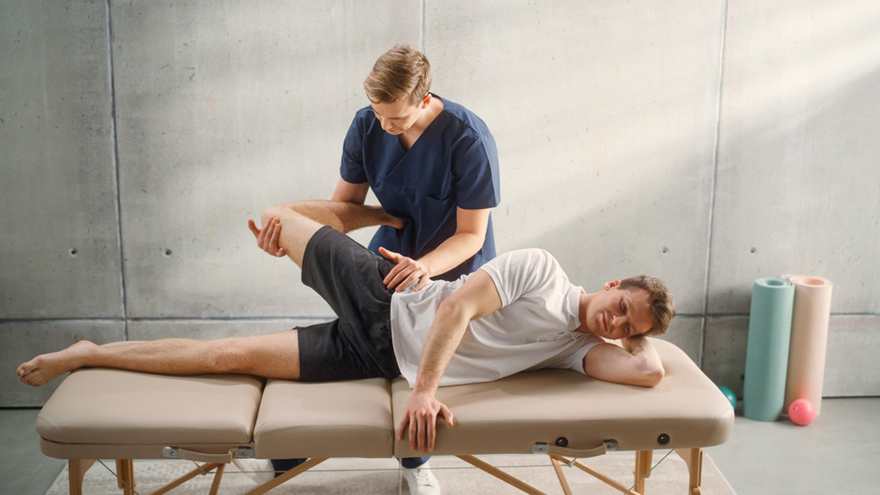
Cervical and upper limb musculature: Weakness and restricted movement in the neck, shoulder girdle, and arms frequently arise from cervical spine compromise, disc pathology, or post-procedural recovery. Targeted neuromuscular re-education helps restore shoulder stability, cervical mobility, and upper extremity strength. Patients may experience improvements in arm function, reduced referred pain, and greater ease with daily activities, though individual outcomes vary based on the nature and duration of the underlying condition.
Lumbar, core, and lower extremity musculature: The deep stabilizing muscles of the lumbar spine — particularly the multifidus and transversus abdominis — are among the first to become inhibited by lower back pain and spinal pathology. Restoring their function is foundational to sustainable recovery from lumbar disorders. Lower limb strength and coordination are also addressed, supporting walking stability, balance, and return to physical activity. Progress is individualized and depends on the severity of deconditioning and the presence of any ongoing neurological involvement.
Postural alignment and movement patterning: Chronic pain and compensatory movement habits create muscle imbalances that perpetuate joint stress and recurrent injury. Corrective rehabilitation addresses these imbalances systematically, retraining movement patterns to reduce strain and improve biomechanical efficiency. Improvements in posture and movement quality often support a reduction in pain recurrence over time.
Peripheral neuromuscular function: Where nerve impairment contributes to muscle weakness or abnormal firing patterns, neuromuscular re-education works to rebuild the neural-muscular communication pathway. This process is gradual and requires consistent engagement, but meaningful functional gains are achievable for many patients with appropriate clinical support.
Whole-body conditioning and metabolic muscle health: Especially relevant for patients experiencing age-related muscle decline or deconditioning across multiple body regions, whole-body programs combine strength, endurance, and coordination training. These programs are further supported, where clinically appropriate, by adjunct therapies targeting cellular energy production and regeneration — consistent with ST. MARY'S WELLNESS & PAIN MEDICINE CLINIC's integrative wellness philosophy.
- *\n\n## Treatment Process and Timeline
Step 1 — Initial Consultation and Clinical Evaluation
Your program begins with a thorough consultation with Dr. Han or a member of the clinical team. This includes a detailed history of your symptoms, prior treatments, surgical or procedural history, and functional goals. A baseline assessment of muscle strength, neuromuscular control, movement patterns, and postural alignment is performed to establish a clear picture of your current status.
Step 2 — Diagnostic and Functional Assessment
Where indicated, diagnostic tools including neurological assessment, physical performance testing, and imaging review are used to identify specific areas of muscle inhibition, atrophy, or neuromuscular dysfunction. This step ensures that your rehabilitation program is targeted to the actual sources of your limitation.
Step 3 — Personalized Rehabilitation Program Design
Based on your assessment findings, a structured rehabilitation plan is developed. This outlines the modalities to be used, session frequency, progression milestones, and any adjunct therapies — such as electrical stimulation, photobiomodulation, cryotherapy, or regenerative IV support — that may enhance your recovery trajectory.
Step 4 — Active Rehabilitation and Neuromuscular Training
Treatment sessions combine hands-on therapy, targeted exercise progression, and technology-assisted modalities. Mid-to-low frequency electrical stimulation is used to stimulate deep muscle layers and improve motor unit recruitment. High-frequency endermologie supports connective tissue health and circulation. LED light therapy promotes cellular repair and reduces inflammation at the tissue level. Each modality is applied as part of a coherent plan, not in isolation.
Step 5 — Progress Monitoring and Program Adjustment
Functional reassessment occurs at regular intervals to track improvements in strength, range of motion, movement quality, and pain levels. The program is adjusted based on your response to treatment and evolving goals. This iterative process ensures the program continues to challenge and stimulate appropriate adaptation.
Step 6 — Ongoing Support and Home Program Integration
As rehabilitation progresses, a structured home exercise program is developed to reinforce clinical gains between sessions and support long-term maintenance of function. Discharge planning and return-to-activity guidance are provided based on your individual recovery profile.
Results, Safety, and Longevity
Muscle function restoration is a process, not a single treatment. Meaningful improvements in strength, neuromuscular control, and functional movement typically develop over a series of weeks, with early gains in activation and pain reduction often preceding visible strength improvements.
The biological basis for rehabilitation lies in neuroplasticity and muscle fiber adaptation. With consistent, appropriately dosed stimulation, motor pathways can be strengthened, dormant motor units reactivated, and muscle mass gradually rebuilt. The integration of cellular health support — including mitochondrial activation through HBOT and regenerative IV protocols where clinically appropriate — reflects ST. MARY'S WELLNESS & PAIN MEDICINE CLINIC's understanding that muscle recovery is also a cellular process, influenced by energy availability, inflammation levels, and tissue repair capacity.
Safety is integral to the program design. All rehabilitation protocols are developed and supervised by clinically credentialed specialists. Electrical modalities including mid-to-low frequency therapy and high-frequency endermologie are applied at therapeutic parameters with patient comfort and tissue safety as primary considerations. Cryotherapy is delivered with appropriate exposure monitoring. LED photobiomodulation uses clinically validated wavelengths and intensities.
Common temporary responses to rehabilitation include mild post-session muscle soreness and fatigue — consistent with normal physiological adaptation. Patients are educated on these expected responses and on signs that would warrant clinical review. Individual outcomes vary based on the nature and severity of the underlying condition, patient adherence, and the presence of concurrent health factors. No specific outcomes can be guaranteed, and all progress expectations are discussed openly with each patient at consultation.
Why Choose ST. MARY'S WELLNESS & PAIN MEDICINE CLINIC for Muscle Function Restoration?
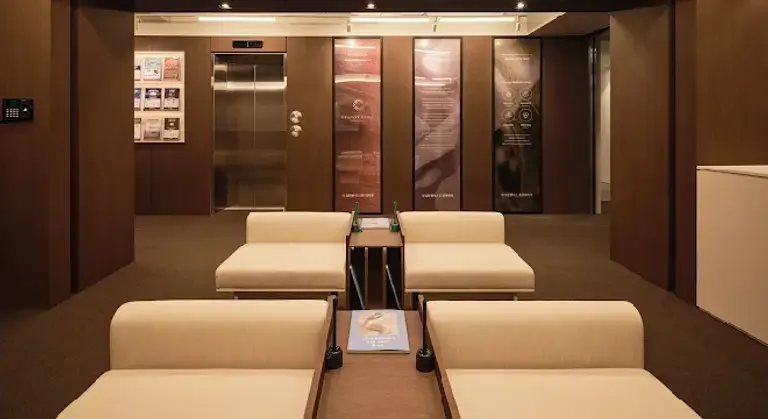
ST. MARY'S WELLNESS & PAIN MEDICINE CLINIC occupies a distinctive position in rehabilitation care. It is a clinic where advanced pain management and physical rehabilitation are genuinely integrated — not simply offered side by side, but woven into a shared clinical model that addresses the full complexity of musculoskeletal and neuromuscular dysfunction.
Dr. Han's expertise in interventional pain medicine and spinal procedures means that patients with complex pain-related muscle dysfunction have access to a level of clinical insight that is rarely available in conventional rehabilitation settings. When persistent muscle weakness is rooted in unresolved spinal pathology or chronic pain-mediated inhibition, the ability to address both dimensions from within one clinical framework represents a significant advantage.
The clinic's integration of cellular anti-aging therapies — including CELLVIVE autologous regenerative protocols, HBOT-enhanced tissue oxygenation, and targeted IV nutrition — reflects a broader understanding that muscle recovery is not purely mechanical. It is biological. The cellular environment in which muscle rehabilitation occurs matters, and ST. MARY'S WELLNESS & PAIN MEDICINE CLINIC is equipped to optimize that environment alongside the physical program.
What sets ST. MARY'S WELLNESS & PAIN MEDICINE CLINIC apart:
Deep interventional expertise informing rehabilitation design: Over 3,000 cervical and lumbar neuroplasty cases and 1,000+ plasma disc decompression procedures provide a clinical foundation for understanding the spinal-neuromuscular relationship with exceptional precision.
Integrated regenerative and physical rehabilitation: Muscle recovery programs are supported, where appropriate, by HBOT, CELLVIVE cellular therapies, and anti-aging IV protocols — a genuinely unique combination not widely available.
Multi-modality treatment technology: Mid-to-low frequency stimulation, high-frequency endermologie, LED photobiomodulation, and CRYO therapy are available as part of a coordinated treatment plan rather than isolated offerings.
Whole-person, precision medicine approach: Rehabilitation is designed within the context of each patient's broader health picture — including metabolic health, hormonal balance, and cellular aging — for outcomes that extend beyond functional recovery alone.
Patient Experiences
Case 1 — Post-surgical lumbar muscle rehabilitation
A patient recovering from lumbar spinal surgery presented with significant paraspinal muscle atrophy, limited trunk stability, and inability to return to daily activities. Following a structured program combining neuromuscular electrical stimulation, progressive core reactivation, and LED tissue support, the patient achieved measurable improvements in trunk strength and functional independence over the course of the rehabilitation program. Recovery timelines were consistent with the expected trajectory for post-surgical rehabilitation of this nature.
Case 2 — Chronic pain-associated muscle inhibition
A patient with long-standing lumbar disc disease and chronic lower back pain presented with significant inhibition of the deep lumbar stabilizers and compensatory overactivation of the superficial back muscles. Alongside pain management intervention, a targeted neuromuscular re-education program was implemented. Progressive restoration of deep muscle activation and postural control contributed to improved pain management and reduced recurrence of acute pain episodes over the follow-up period.
Case 3 — Age-related muscle decline with metabolic support
An adult patient in their mid-fifties presenting with generalized muscle weakness, fatigue, and reduced physical capacity began a muscle restoration program supported by mitochondrial-targeting IV therapy and HBOT as adjuncts. Alongside the physical rehabilitation program, the patient reported improvements in energy levels, exercise tolerance, and overall sense of physical capacity over the treatment course.
Final Call to Action
Ready to Restore Your Strength and Reclaim Your Movement?
At ST. MARY'S WELLNESS & PAIN MEDICINE CLINIC, muscle function restoration is not a generic exercise program — it is a clinically guided, integrative rehabilitation pathway built around your specific condition, history, and goals. Under the expertise of Dr. Hyo-jo Han, a Certified Advanced Pain Practitioner and Specialist in Anesthesiology and Pain Medicine with a career spanning thousands of complex interventional procedures, your recovery is in hands that understand both the pain that limits you and the rehabilitation science that can help restore you.
Take the first step toward meaningful recovery. Contact our clinic to schedule your functional assessment consultation. Our team will review your history, explain your options clearly, and design a program aligned with your body's real needs. International patients are welcome. All consultations are conducted with full clinical confidentiality and a commitment to your long-term wellbeing.
→ Book Your Consultation Now
Related Clinic Guides & Medical References
- Related Clinic Pages: Physical Therapy & Rehabilitation · Dr. Hyo-jo Han (Pain Medicine Specialist) · 1:1 Consultation & Appointment Inquiry
- Clinical & Academic References: World Physiotherapy · APTA ChoosePT Rehabilitation Guide
Other Services
Explore additional treatments offered by our specialists.
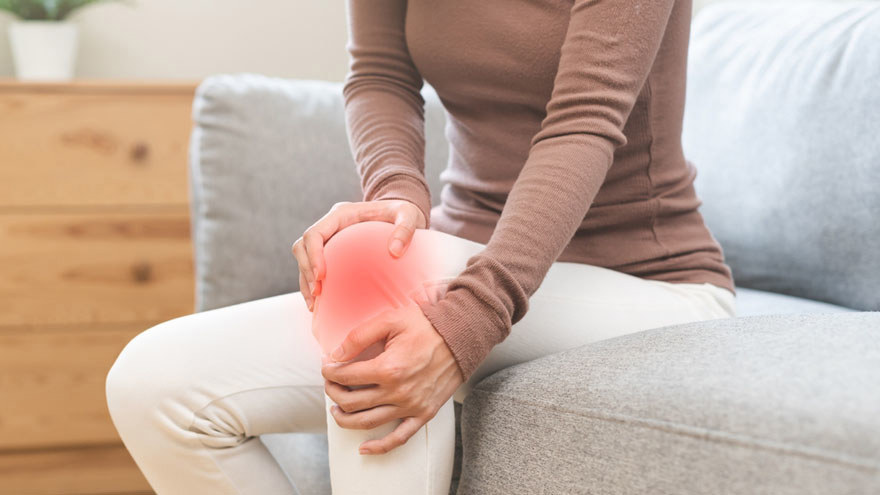
Wound Healing & Tissue Recovery
Wound healing is a complex biological process that depends heavily on oxygen.
Learn More
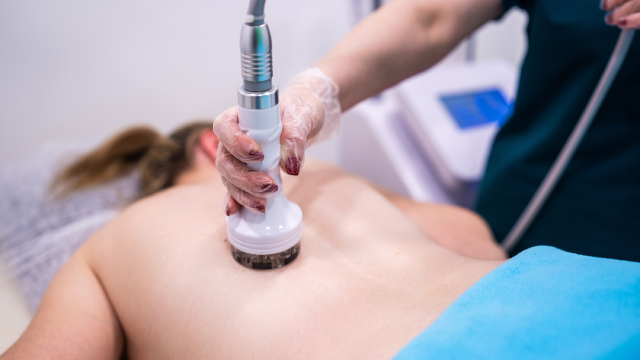
RF Endermologie
RF Endermologie, or radiofrequency endermologie, is a non-invasive body treatment that fuses two clinically established modalities into a single, integrated therapy session.
Learn More
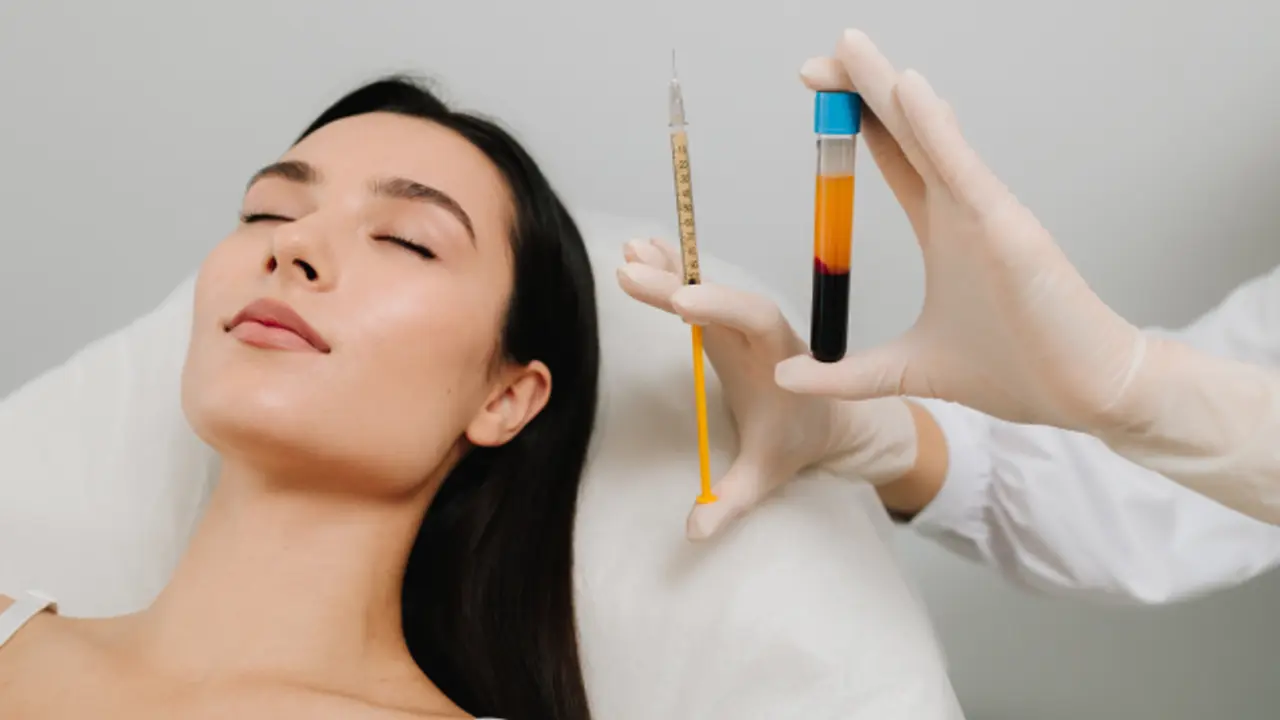
PRP Injection Therapy
Platelet-Rich Plasma (PRP) therapy is an autologous regenerative treatment — meaning it uses your own biological material to promote tissue healing.
Learn More